Tiimatuvat: Powerful Features Driving Real-World Results
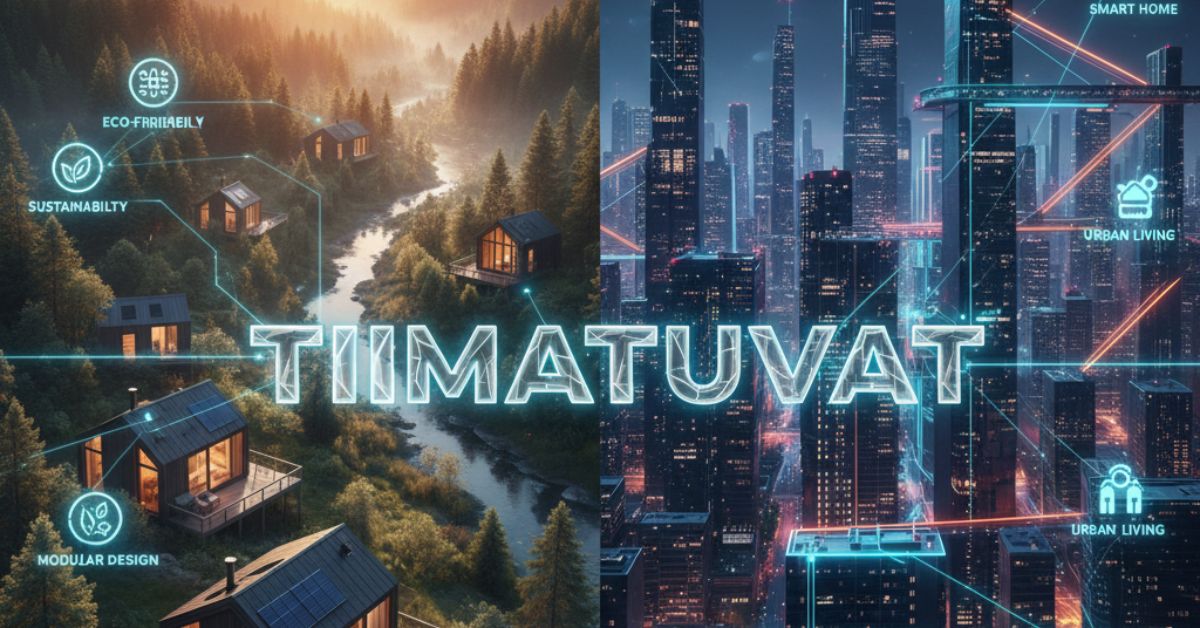
Imagine a cozy retreat nestled in nature, designed for comfort and sustainability. Enter the world of tiimatuvat—a unique housing option that combines modern living with traditional craftsmanship. These structures are not just homes; they embody a philosophy of simplicity and connection to the environment.
As we explore what tiimatuvat are all about, you’ll discover their fascinating origins, innovative features, and how they stand out in today’s housing landscape. Whether you’re considering an alternative lifestyle or simply curious about this intriguing concept, there’s much to unpack here. Get ready to delve into the charm and practicality of tiimatuvat!
What are Tiimatuvats?
Tiimatuvat are a distinctive type of dwelling that blends traditional architecture with modern sensibilities. Originating from various cultures, these structures emphasize harmony with nature and sustainability.
Characterized by their unique design, tiimatuvat often feature natural materials like wood and stone. This not only enhances aesthetics but also promotes energy efficiency. Their layout typically supports open living spaces that foster community interaction while maintaining personal privacy.
These homes are versatile; they can serve as full-time residences or seasonal getaways. The design encourages minimalism, focusing on essential comforts without excess clutter.
With an increasing interest in eco-friendly living, tiimatuvat resonate with those seeking a simpler lifestyle in tune with the environment around them. They represent more than just shelter—they embody a way of life rooted in connection to nature and thoughtful living choices.
History and Origin of Tiimatuvats
Tiimatuvats have deep roots in Scandinavian culture, emerging as a response to the region’s harsh climate. These unique structures were designed for resilience and functionality, allowing communities to thrive despite challenging weather conditions.
Historically, tiimatuvats can be traced back several centuries. Early inhabitants used local materials like wood and stone to create these dwellings. The design evolved through generations, shaped by traditions and environmental necessities.
As urbanization increased during the 20th century, interest in tiimatuvats waned. However, their allure has resurfaced in recent years as sustainability becomes paramount. People seek authentic connections with nature while embracing minimalist lifestyles.
The resurgence of interest reflects a broader trend towards eco-friendly living. Tiimatuvats are not just homes; they symbolize a return to simpler times where harmony with nature was essential for survival and comfort.
Features and Design of Tiimatuvats
Tiimatuvats are renowned for their unique and functional design. Crafted from natural materials, these structures blend seamlessly into various landscapes. The use of wood not only enhances aesthetics but also ensures durability.
The architecture emphasizes eco-friendliness, with features that promote energy efficiency. Large windows allow ample sunlight, reducing the need for artificial lighting during the day.
Inside, the layout is open and versatile. This allows occupants to customize spaces according to their needs. High ceilings give a sense of spaciousness while promoting airflow.
Additionally, Tiimatuvats often incorporate sustainable technologies like rainwater collection systems and solar panels. These innovations align perfectly with modern sustainability goals.
Each unit reflects a balance between tradition and contemporary living standards. It’s this thoughtful integration that makes Tiimatuvats stand out in housing solutions today.
Benefits of Using Tiimatuvats
Tiimatuvats offer a range of advantages that make them increasingly popular. Their unique design promotes energy efficiency, allowing for reduced heating and cooling costs.
These structures are often built with sustainable materials. This makes them an environmentally friendly choice for those looking to minimize their carbon footprint.
The compact size of tiima tuvats encourages a minimalist lifestyle. Living in such spaces can lead to less clutter and greater mindfulness about consumption.
Additionally, they provide excellent versatility. Whether used as a cozy home, workspace, or recreational area, tiimatuvats adapt easily to various needs.
Their aesthetic appeal shouldn’t be overlooked either. With sleek designs that blend with nature, these homes enhance any landscape beautifully.
Real Life Applications of Tiimatuvats
Tiimatuvats have gained popularity in various settings due to their versatility. Many enthusiasts use them for glamping, providing a rustic yet comfortable experience surrounded by nature.
They serve as unique cabins or retreats, often nestled in picturesque landscapes. This makes them ideal for weekend getaways or holiday rentals.
Artists and creators find inspiration within these structures, using them as studios that blend indoor comfort with outdoor beauty. Small businesses also leverage tiimatuvat designs for pop-up shops or cafés, attracting customers with their distinctive charm.
In urban areas, they are being repurposed as backyard offices or additional living spaces, catering to the growing need for flexible work environments. As sustainability becomes a focal point, some communities even adopt tiimatuvats as eco-friendly housing solutions that align with green living principles.
Comparison to Other Traditional Housing Options
When comparing tiima tuvat to traditional housing options, several factors come into play. Tiimatuvat stand out with their unique design and adaptable nature. Unlike conventional homes that often require extensive resources and land, these structures can fit snugly in various environments.
Traditional houses typically involve lengthy construction timelines and high costs. In contrast, tiimatuvat offer a more streamlined building process. They are designed for efficiency without compromising comfort.
Energy efficiency is another significant point of differentiation. While many standard homes consume large amounts of energy for heating or cooling, tiimatuvat utilize natural insulation properties effectively.
Moreover, the mobility aspect should not be overlooked. Unlike permanent structures rooted in one location, tiimatuvat can easily be relocated when necessary. This flexibility appeals to those who value adaptability in their living situations.
Sustainability plays a crucial role in this comparison as well; the eco-friendly materials used in constructing tiimatuvat make them an attractive option for environmentally conscious individuals seeking alternatives to traditional housing methods.
Investing in a Tiimatuvat: Is it Worth It?
Investing in a tiimatuvat can be an exciting venture. These structures blend functionality with aesthetic appeal, making them increasingly popular among those seeking unique living spaces.
The initial costs may seem daunting. However, consider the long-term benefits. Tiimatuvats are often energy-efficient and durable, leading to lower utility bills over time.
Their versatility is another strong point. Whether you envision a seasonal retreat or a permanent home, this type of dwelling adapts easily to various lifestyles.
Location plays a crucial role as well. Placing your tiimatuvat in scenic areas enhances its value and potential for rental income if desired.
Personal preference matters significantly when weighing this investment. If you appreciate sustainable living and outdoor connection, a tiimatuvat could be the ideal choice for you!
Conclusion
Tiimatuvats offer a unique blend of functionality and innovation in the realm of housing. Their origins trace back to traditional practices, yet they embody modern design principles that appeal to diverse lifestyles. With features designed for efficiency and comfort, these structures provide numerous benefits, from energy savings to sustainability.
Real-life applications showcase their versatility; whether used as primary residences or secondary retreats, tiima tuvats adapt seamlessly to various environments. When compared with other traditional housing options, it becomes evident that tiimatuvats stand out due to their eco-friendly construction and adaptable nature.
Investing in a tiimatuvat can be worthwhile for those seeking a distinctive living experience. As environmental concerns grow and the desire for flexible living spaces increases, these homes may very well become an integral part of future housing solutions. Understanding all facets of tiimatuvats helps individuals make informed decisions about incorporating them into their lives.