
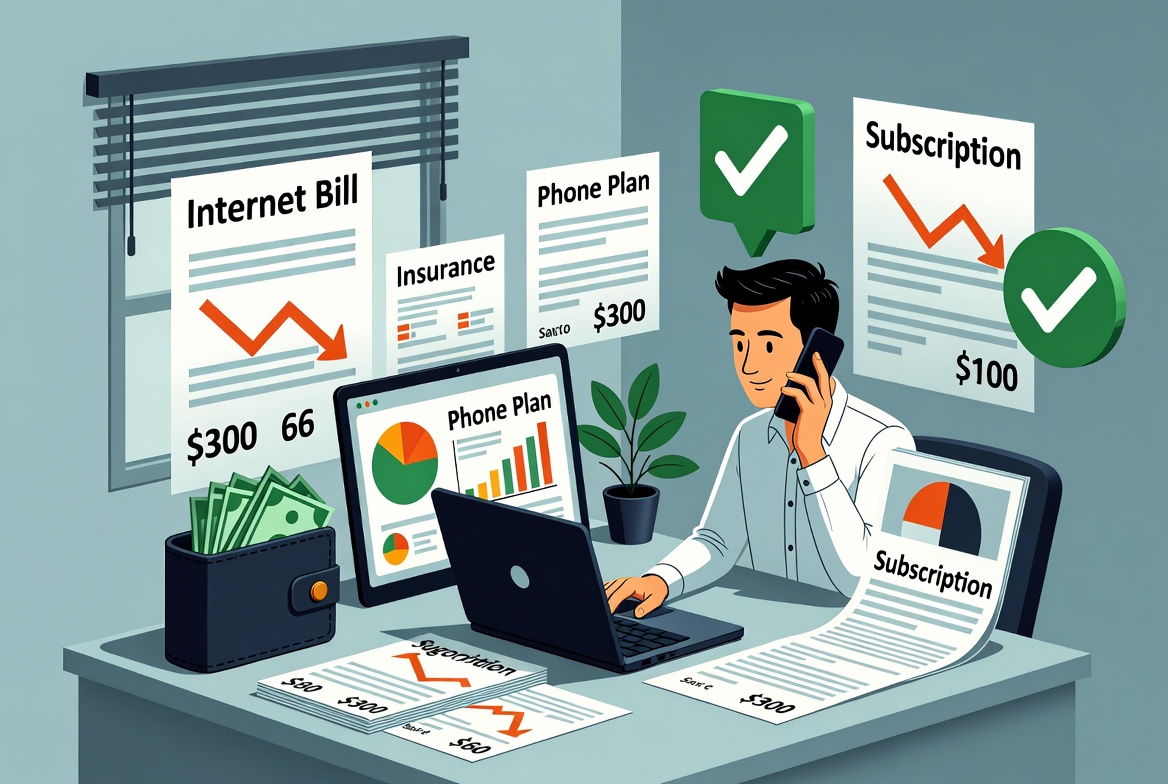
How to Negotiate Your Bills Down Without Feeling Uncomfortable
Paying monthly bills is part of everyday life, but paying more than you need to doesn’t have to be.
Many people assume prices for internet, insurance, phone plans, or medical bills are fixed. In reality, companies often have promotions, loyalty discounts, and flexible payment options that aren’t advertised unless customers ask.
The problem is that asking for a lower bill can feel uncomfortable. Some people worry they’ll sound rude, while others simply don’t know what to say. As a result, they continue paying higher rates year after year.
The good news is that negotiating your bills doesn’t have to feel like an argument. With the right mindset and a few practical techniques, you can have a respectful conversation that may save you hundreds of dollars every year.
This guide explains exactly how to negotiate your bills down without feeling uncomfortable, even if you’ve never negotiated anything before.
Why Negotiating Your Bills Is Worth It
Many service providers would rather keep an existing customer than spend money acquiring a new one.
That’s why companies often provide:
- Loyalty discounts
- Promotional pricing
- Account credits
- Lower interest rates
- Flexible payment plans
- Fee waivers
The catch is that these offers aren’t always given automatically. In many cases, customers receive them only after asking.
A five-minute phone call could reduce a monthly bill that you’ve been paying for years.
Saving money is not only about cutting costs; it’s also about making smarter financial decisions. Developing practical money-saving strategies can help you free up cash for savings, investments, and future goals.
Change Your Mindset Before You Call
The biggest challenge usually isn’t the negotiation itself—it’s overcoming the hesitation to ask.
Instead of thinking:
“I’m asking for a favor.”
Think:
“I’m checking whether better options are available.”
This simple mindset shift makes the conversation feel much more natural.
Customer service representatives receive these requests every day. You’re not doing anything unusual by asking politely.
Many people focus only on increasing their income, but improving financial efficiency also requires controlling recurring expenses and finding smarter ways to manage costs. Technology and automation can help businesses improve financial efficiency by reducing unnecessary spending.
Which Bills Can You Negotiate?
While some expenses are fixed and unavoidable, several everyday household costs can often be negotiated or reduced.
Internet Service
Internet service providers frequently roll out special deals and retention incentives to prevent customers from switching to competitors.
Mobile Phone Plans
Phone companies frequently offer discounts, upgraded plans, or bonus features for long-term customers.
Insurance Premiums
Car, home, and renters insurance rates change frequently. Comparing competitors gives you leverage during negotiations.
Medical Bills
Hospitals and healthcare providers may offer payment plans, financial assistance, or prompt-payment discounts.
Credit Card Interest Rates
If you have a good payment history, your credit card company may reduce your interest rate when requested.
Subscription Services
Streaming platforms, software subscriptions, gyms, and other recurring memberships sometimes provide discounts to retain customers.
Research Before You Negotiate
Preparation makes negotiations much easier.
Before calling, collect information such as:
- Your current monthly payment
- Competitor pricing
- Current promotions
- Contract details
- Account history
- Length of time you’ve been a customer
For example, if another internet provider offers similar speeds for $20 less each month, mentioning that information gives your request more credibility.
Negotiation is much easier when your request is based on facts instead of frustration.
Start the Conversation the Right Way
The way you start a conversation can significantly influence how easily and successfully it unfolds.
Instead of saying:
“Your prices are way too high.”
Try something like:
“I’ve been reviewing my monthly expenses and wanted to see if there are any loyalty discounts or promotional rates available for my account.”
This approach sounds cooperative rather than confrontational.
Ask Questions That Encourage Solutions
Instead of demanding a discount, ask open-ended questions.
Examples include:
- Are there any discounts available for existing customers?
- Can you review my account for possible savings?
- Is there a lower-cost plan that would still meet my needs?
- What options do loyal customers usually have?
- Are there any promotions currently available?
These questions encourage representatives to help you rather than defend company pricing.
Use Competitor Pricing as Leverage
Companies know customers have choices.
If you’ve found a better offer elsewhere, mention it respectfully.
For example:
“I’ve seen another provider offering a similar plan for less. I’d prefer to stay with your company if there’s a comparable option available.”
This isn’t a threat.
It’s simply giving the company an opportunity to retain your business.
Don’t Rush the Conversation
Many people become nervous after asking for a discount.
They immediately start talking again.
Instead, ask your question and wait.
The representative may need time to review your account or check available offers.
A few moments of silence often lead to better outcomes than filling every pause with more conversation.
Be Flexible With the Outcome
Lower monthly payments are ideal, but they’re not the only valuable result.
You might receive:
- Faster internet
- Extra mobile data
- Premium features
- Account credits
- Waived fees
- Better insurance coverage
- Free equipment upgrades
Sometimes better value is just as beneficial as a lower bill.
Real-World Example: Negotiating an Internet Bill
Imagine Sarah has been paying $75 per month for internet service for three years.
She notices another provider advertising similar speeds for $55.
Instead of immediately canceling, she calls her current provider and says:
“I’ve really enjoyed the service, but I’m reviewing my monthly budget. Before switching providers, I wanted to see whether there are any loyalty promotions available.”
Within ten minutes, she’s offered:
- A $15 monthly discount
- A faster internet plan
- A new promotional rate for 12 months
Her polite approach saves her $180 over the next year without changing providers.
How to Negotiate Medical Bills
Medical expenses can feel overwhelming, but they’re often more flexible than people realize.
Request an Itemized Bill
Mistakes happen.
An itemized bill helps identify duplicate charges or billing errors.
Ask About Financial Assistance
Many hospitals offer assistance programs based on income or financial circumstances.
Discuss Payment Plans
If paying the full amount isn’t possible, ask about interest-free monthly payment options.
Even if the total doesn’t change, manageable payments can reduce financial stress.
Negotiating Credit Card Interest Rates
If you’ve consistently paid your bills on time, your credit card issuer may be willing to lower your APR.
A simple request like this often works:
“I have maintained a loyal customer relationship for many years, consistently making payments on time. Is there any opportunity to lower my current interest rate?”
Even a small reduction can save significant money over time.
Common Mistakes to Avoid
Negotiating isn’t difficult, but a few mistakes can reduce your chances of success.
Calling When You’re Angry
Frustration makes productive conversations much harder.
Stay calm and focus on finding solutions.
Accepting the First “No”
The first representative may not have authority to approve discounts.
Politely ask whether another department can review your account.
Focusing Only on Price
Better service, waived fees, account credits, or upgraded features can provide just as much value.
Asking for Unrealistic Discounts
Reasonable requests are more likely to succeed than extreme demands.
Practice Before Making the Call
If negotiating feels uncomfortable, rehearse beforehand.
Write down:
- Your opening sentence
- Your account information
- Competitor pricing
- Questions you want answered
- Your preferred outcome
Having notes nearby makes the conversation feel much less intimidating.
Make Bill Negotiation Part of Your Financial Routine
Negotiating isn’t a one-time activity.
Review recurring bills every six to twelve months.
Companies regularly update promotions, loyalty programs, and pricing structures.
An annual review could uncover savings you’ve been missing.
Managing your expenses effectively is an important part of building long-term financial stability. Just like businesses create systems to improve efficiency, individuals can also create better habits to reduce unnecessary monthly expenses and keep more money in their budget.
Internal Linking Opportunities
If you’re publishing this article on a personal finance website, consider linking naturally to related content using anchor text such as:
Budgeting Resources
- budgeting for beginners
- household budgeting guide
- monthly budget template
Saving Money
- ways to reduce monthly expenses
- money-saving habits
- how to save money every month
Debt Management
- how to pay off debt faster
- emergency fund tips
- personal finance checklist
These internal links improve user experience while helping search engines understand your site’s content structure.
The Consumer Financial Protection Bureau (CFPB) provides free educational resources about budgeting, managing debt, credit cards, loans, and consumer rights.
You can explore their guidance on consumer finance.
Practical Tips Before You Hang Up
Before ending any negotiation call, remember to:
- Confirm the new monthly rate.
- Ask when the changes will appear on your bill.
- Request a confirmation email if available.
- Check whether the promotion has an expiration date.
- Make a note to review the bill again before the promotional period ends.
These small steps help prevent surprises later.
Key Takeaways
Successfully negotiating your bills comes down to a few simple habits:
- Research competitor pricing first.
- Stay polite and professional.
- Ask open-ended questions.
- Mention your loyalty if you’ve been a long-term customer.
- Consider alternatives beyond lower monthly payments.
- Review recurring bills every six to twelve months.
- Don’t give up after the first “no.”
The more often you negotiate, the more comfortable the process becomes.
Conclusion
Learning how to negotiate your bills down without feeling uncomfortable isn’t about becoming an expert negotiator. It’s about asking informed questions, staying respectful, and understanding that many companies have more flexibility than most customers realize.
You don’t need special negotiation skills or a perfect script. A little preparation, a calm attitude, and a willingness to ask can lead to meaningful savings over time.
Reducing your internet bill, lowering your insurance premium, negotiating a better phone plan, or securing a lower credit card interest rate may seem like small victories individually. Together, however, they can save hundreds of dollars every year—money you can use to build savings, pay down debt, or invest in your future.
Frequently Asked Questions
1. Can you really negotiate most monthly bills?
Yes. Internet, phone, insurance, medical, subscription, and credit card bills are often negotiable, depending on the provider and your account history.
2. What’s the best time to negotiate a bill?
It’s usually best before your contract renews or after finding a better offer from a competitor.
3. Will asking for a lower bill hurt my credit score?
No. Simply requesting discounts or better pricing does not affect your credit score.
4. What if the company refuses my request?
Ask whether there are alternative plans, loyalty discounts, account credits, or fee waivers available. If not, compare competitors before deciding whether to switch.
5. How often should I review my recurring bills?
Every six to twelve months is a good schedule. Companies regularly introduce new promotions that existing customers can request.
6. Which bills usually offer the biggest savings?
Internet service, mobile phone plans, insurance premiums, medical bills, and credit card interest rates often provide the greatest opportunities for negotiation.