
Nerwey: Exploring the Nordic Wonder of Northern Europe
Introduction
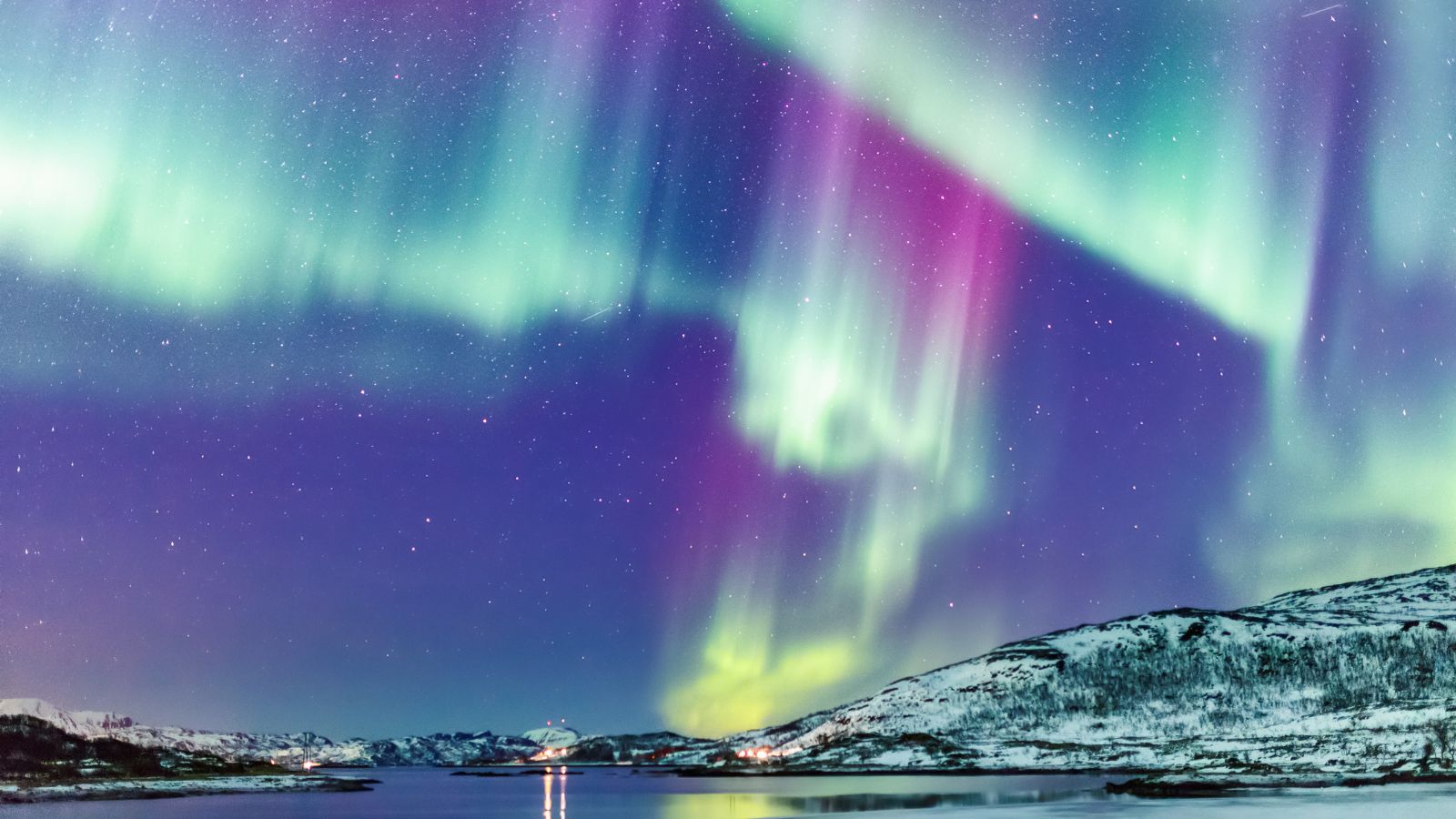
Norway, often misspelled as “Nerwey,” is one of the most beautiful and advanced countries in the world. Located in Northern Europe, Norway occupies the western and northernmost parts of the Scandinavian Peninsula. It is famous for its breathtaking fjords, snowy mountains, northern lights, rich Viking history, and high quality of life. The country is part of the Nordic region along with Sweden, Denmark, Finland, and Iceland.
Norway is known for combining natural beauty with modern development. Despite its cold climate and mountainous landscape, the country has become one of the wealthiest and happiest nations globally. Tourists from around the world visit Norway to experience its unique scenery, peaceful lifestyle, and cultural heritage.
Geography and Location
Norway stretches along the northwestern part of the Scandinavian Peninsula. It shares borders with Sweden, Finland, and Russia. The country also has a long coastline facing the North Atlantic Ocean and the Norwegian Sea.
One of Norway’s most famous geographical features is its fjords. Fjords are deep sea inlets surrounded by steep cliffs formed by glaciers thousands of years ago. These natural wonders attract millions of tourists every year. Some of the most famous fjords include:
- Geirangerfjord
- Sognefjord
- Hardangerfjord
The country’s terrain is mostly mountainous, with forests, glaciers, and rivers spread throughout the land. Norway also experiences long winters and short summers, especially in the northern regions.
Capital and Major Cities
The capital city of Norway is Oslo. Oslo is the political, cultural, and economic center of the country. The city is known for its clean environment, modern architecture, museums, and green spaces.
Other important cities in Norway include:
- Bergen – famous for colorful waterfront buildings and fjords
- Trondheim – known for history and education
- Stavanger – an important oil industry center
- Tromsø – a popular destination for viewing the Northern Lights
These cities offer a mix of natural beauty, technology, history, and modern living.
History of Norway
Norway has a long and fascinating history. During the Viking Age, from around the 8th to the 11th century, Norwegian Vikings traveled across Europe and beyond. They were skilled sailors, traders, and explorers.
The Vikings from Norway explored areas such as Iceland, Greenland, and even parts of North America long before Columbus. Viking culture remains an important part of Norwegian identity today.
In later centuries, Norway was united with Denmark and then Sweden before gaining full independence in 1905. Since then, the country has developed into a stable democracy with strong economic growth and social welfare systems.
Culture and Traditions
Norwegian culture is deeply connected to nature. People in Norway enjoy outdoor activities such as hiking, skiing, fishing, and camping. The idea of spending time in nature is an important part of daily life.
Traditional Norwegian clothing, known as “bunad,” is worn during celebrations and national holidays. Norwegian cuisine includes seafood, salmon, cod, cheese, potatoes, and bread.
Music and folklore also play a major role in Norwegian culture. Stories about trolls and mythical creatures are common in traditional tales.
One of the most important national celebrations is Constitution Day on May 17. On this day, people wear traditional clothing, wave flags, and participate in parades across the country.
Economy and Wealth
Norway has one of the strongest economies in the world. The country became especially wealthy due to its oil and natural gas resources discovered in the North Sea during the 1960s.
The Norwegian government carefully manages its oil wealth through investments and public services. Norway’s sovereign wealth fund is one of the largest in the world.
Major industries in Norway include:
- Oil and gas
- Fishing and seafood
- Shipping
- Renewable energy
- Technology
- Tourism
Even with its wealth, Norway focuses heavily on equality, education, healthcare, and environmental sustainability.
Education and Healthcare
Norway provides free or low-cost education and healthcare to its citizens. The country consistently ranks high in global quality-of-life indexes.
Schools and universities in Norway are known for high academic standards. International students also choose Norway for higher education because many programs are offered in English.
Healthcare services are supported by the government, ensuring that people have access to medical treatment regardless of income.
Tourism in Norway
Tourism is a major part of Norway’s economy because of its stunning landscapes and unique attractions. Visitors travel to Norway to see glaciers, fjords, mountains, and the magical Northern Lights.
Popular tourist attractions include:
- Lofoten Islands
- Preikestolen
- Geirangerfjord
- Vigeland Park
Winter tourism is especially popular for skiing, snowboarding, and viewing the aurora borealis.
Climate and Environment
Norway experiences different climates depending on the region. Coastal areas are milder due to the influence of the Atlantic Ocean, while northern and inland regions can become extremely cold during winter.
The country is internationally recognized for environmental protection and clean energy use. Norway invests heavily in electric vehicles, hydropower, and sustainable development.
Many Norwegians are environmentally conscious and actively support green living practices.
Wildlife in Norway
Norway is home to a wide range of wildlife species. In forests and mountains, animals such as moose, reindeer, foxes, and wolves can be found. Coastal waters contain whales, seals, and various fish species.
Birdwatchers also visit Norway to observe seabirds and Arctic bird species. National parks help protect the country’s rich biodiversity.
Why Norway Is Considered One of the Happiest Countries
Norway often ranks among the happiest countries in the world. Several factors contribute to this reputation:
- Strong economy
- Excellent healthcare
- High-quality education
- Low crime rates
- Beautiful natural surroundings
- Work-life balance
- Social equality
People in Norway generally enjoy a peaceful and secure lifestyle. The government also supports workers through fair wages and social welfare programs.
Conclusion
Norway is a remarkable Nordic country that blends natural beauty, rich history, modern development, and social well-being. From majestic fjords and Viking heritage to advanced technology and environmental leadership, Norway continues to inspire people around the globe.