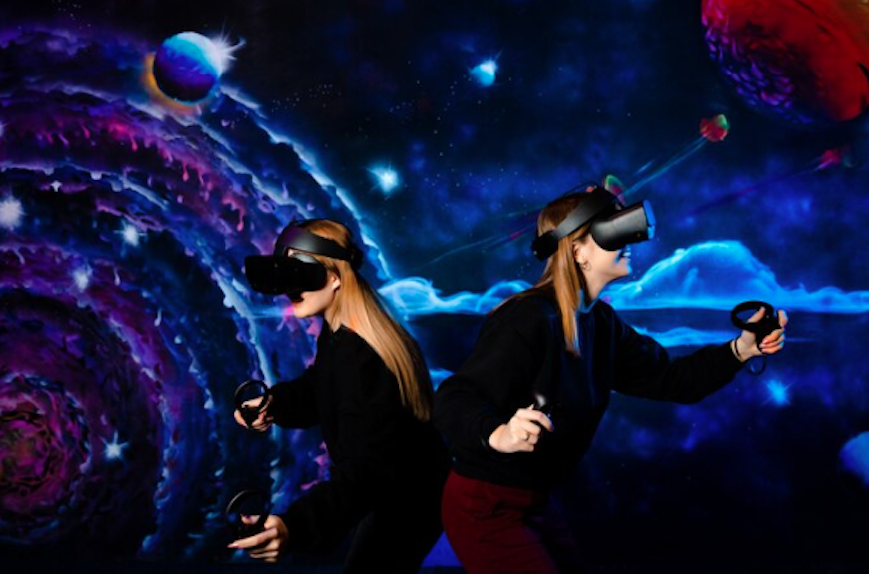
virtual reality Beyond Gaming: Real World Uses You Need to Know
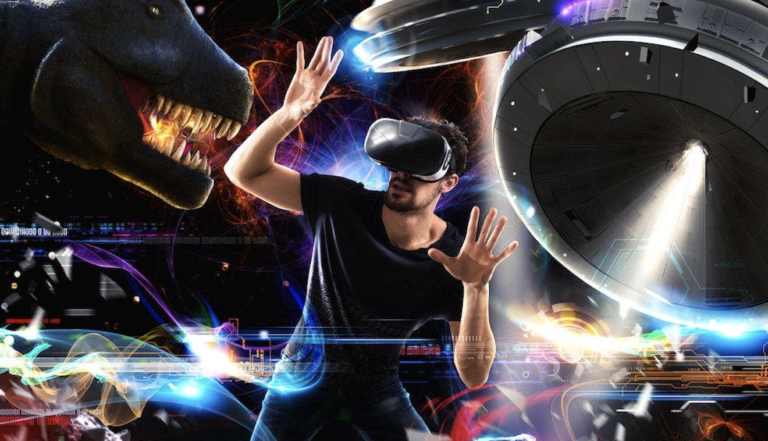
When most people think of virtual reality (VR), they picture immersive gaming experiences that transport players to fantastical worlds. But VR isn’t just about gaming, it’s transforming many parts of our daily lives and industries in incredible ways. As technology gets better, VR is becoming a vital tool in healthcare, education, manufacturing, real estate, and more. Let’s explore how virtual reality is making a real difference outside the gaming world.
1. Healthcare and Medical Training
VR is changing how healthcare professionals learn and practice. Surgeons, nurses, and other medical staff can use VR simulations to rehearse surgeries and procedures in a safe, controlled environment. This helps them build confidence and sharpen their skills before working on real patients. VR is also used in therapy to treat mental health issues like PTSD, phobias, and anxiety by providing controlled exposure in a virtual setting, making therapy safer and more effective.
2. Education and Learning
Schools and educational programs are using VR to create exciting and immersive learning experiences. Students can explore ancient civilizations, travel inside the human body, or visit distant planets all from their classroom. VR makes complex topics easier to understand and more engaging. It also helps with language learning, vocational training, and developing soft skills by simulating real world scenarios, making education more interactive and fun.
3. Manufacturing and Product Design
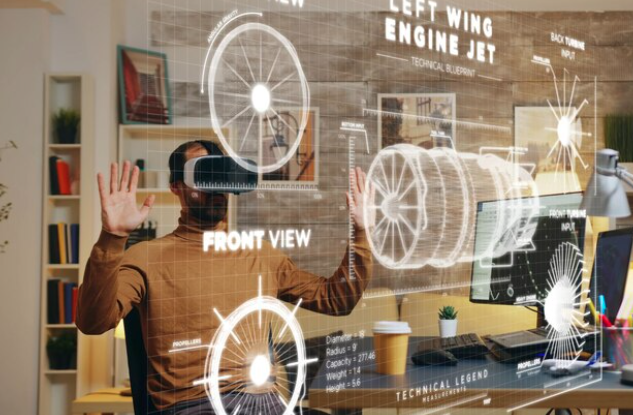
In the manufacturing industry, VR allows engineers and designers to visualize and manipulate 3D models of products before they’re built. This speeds up the design process, cuts costs, and reduces mistakes. Virtual prototyping lets teams test how a product looks, feels, and functions in a virtual environment, leading to better innovations and higher quality products.
4. Real Estate and Architecture
VR is transforming property buying and building design. Homebuyers and investors can take virtual tours of properties without leaving their homes. Architects and developers can create immersive walkthroughs of upcoming projects, giving clients a clear idea of what the final result will look like. This helps speed up decision making and improves communication between builders and clients.
5. Remote Work and Collaboration
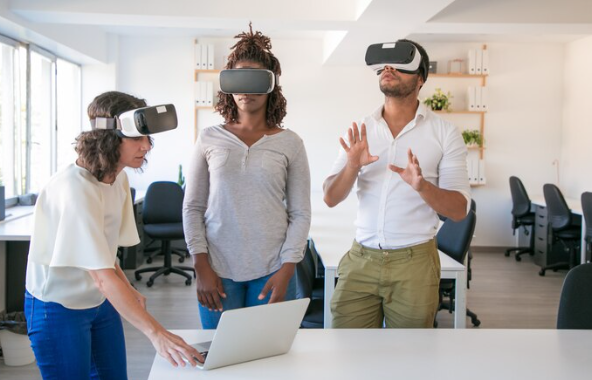
As remote work becomes more common, VR offers new ways for teams to collaborate. Virtual workspaces allow colleagues to meet and interact in shared 3D environments, making teamwork more effective than traditional video calls. This is especially useful for international teams or projects that need a hands on approach.
6. Physical Rehabilitation and Therapy
VR is also helping patients recover from injuries and surgeries. It makes physical therapy more engaging by offering fun exercises and tracking progress. Customized virtual environments can simulate everyday tasks, helping patients regain movement and coordination in a safe, controlled space.
Final Thoughts
Virtual reality is much more than just a gaming tool it’s a powerful technology that’s changing the way we work, learn, heal, and build. As VR continues to improve, its role in our lives and industries will only grow, leading to more efficient, safer, and more engaging experiences. Embracing VR’s potential can unlock new opportunities for innovation and better quality of life worldwide.