How Satellite Internet Is Changing Remote Areas in 2026
For decades, reliable internet access has been a major challenge for rural communities. While cities and suburban areas benefited from fiber networks, cable broadband, and advanced wireless services, many remote locations struggled with slow connections or no connectivity at all.
In 2026, satellite internet is changing this reality. New low Earth orbit (LEO) satellite networks are bringing faster and more reliable broadband connections to farms, mountain communities, rural businesses, schools, and areas where traditional infrastructure is difficult or expensive to build.
Satellite internet is not replacing every broadband technology, but it has become an important solution for closing the digital divide and connecting communities that were previously left behind.
Why Remote Areas Needed a New Internet Solution
Traditional broadband infrastructure depends on physical networks such as fiber cables, telephone lines, and cable systems. Building these networks in remote locations can be extremely expensive because providers must install miles of infrastructure for a relatively small number of customers.
Many rural residents have faced challenges, including:
- Limited access to high-speed internet
- Expensive broadband plans
- Poor reliability
- Difficulty accessing online education
- Limited telehealth options
- Barriers to remote work
According to the Federal Communications Commission (FCC), millions of Americans still live in areas where broadband availability remains limited, especially in rural and hard-to-reach regions.
Satellite internet solves part of this problem by using satellites in space instead of relying entirely on ground-based infrastructure.
How Modern Satellite Internet Works
Older satellite internet systems used geostationary satellites positioned about 22,000 miles above Earth. While they provided broad coverage, the distance created high latency, often making activities like video calls and real-time applications frustrating.
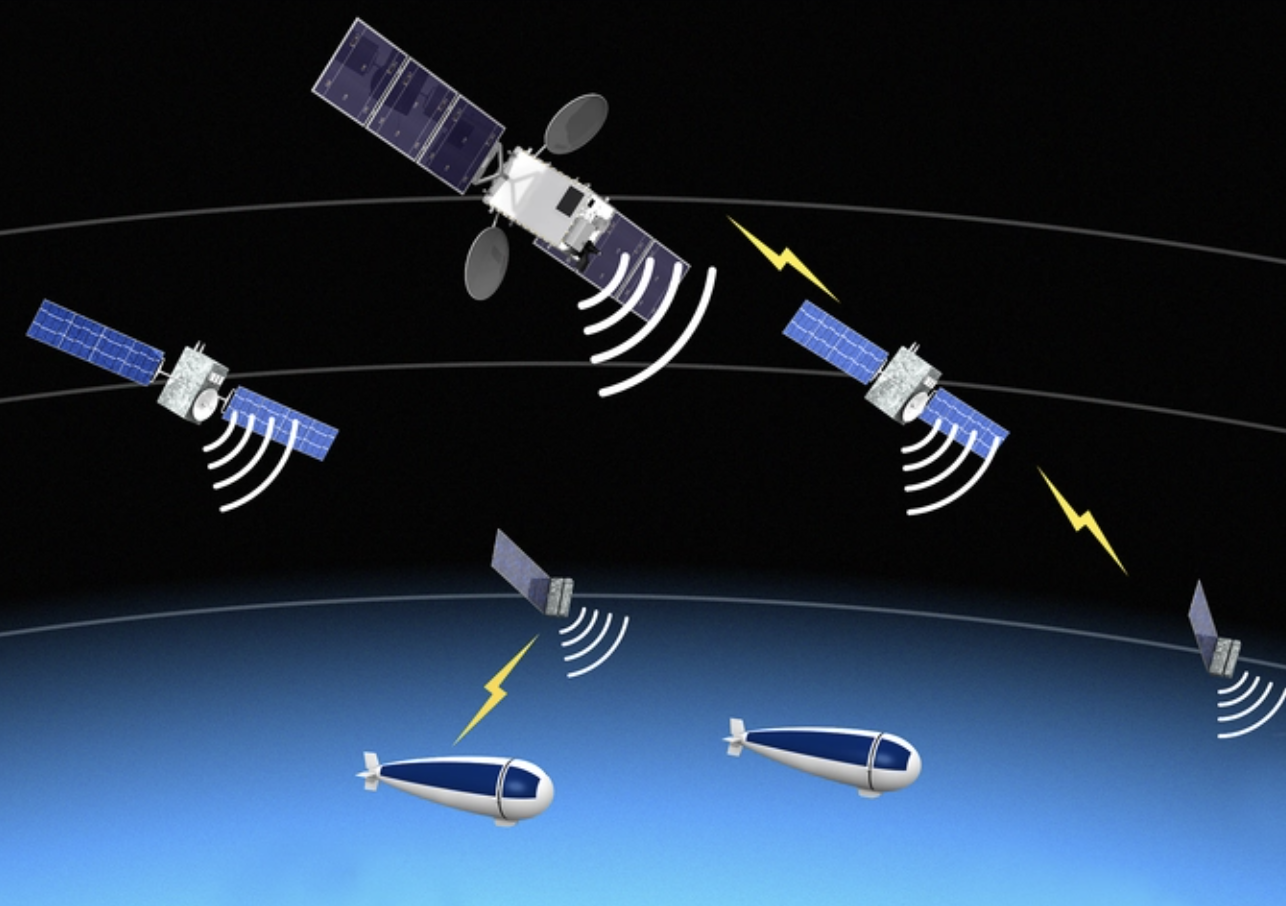
Modern satellite services use Low Earth Orbit (LEO) satellites that operate much closer to Earth, generally between 200 and 1,200 miles above the planet.
This shorter distance provides several advantages:
- Lower latency
- Faster response times
- Better support for video conferencing
- Improved online gaming performance
- More practical cloud application usage
Companies such as Starlink, OneWeb, and Amazon’s Project Kuiper are developing large satellite networks designed to provide broadband access in areas where traditional internet services are unavailable or unreliable.
How Satellite Internet Is Transforming Remote Communities
Supporting Rural Education
Reliable internet access has become essential for modern education. Students in remote communities can now participate in online classes, access digital learning resources, and communicate with teachers more easily.
Remote schools that previously depended on slow connections can use satellite broadband for:
- Virtual classrooms
- Online research
- Digital textbooks
- Video-based learning
- Educational platforms
During my research and discussions with technology users in rural connectivity projects, I noticed that the biggest impact is often not just faster downloads, it is giving communities access to opportunities that were previously unavailable.
Improving Healthcare Through Telemedicine
Healthcare access is another area where satellite internet is creating meaningful change.
Many rural residents live far away from hospitals and specialists. With reliable connectivity, healthcare providers can offer:
- Virtual doctor appointments
- Remote patient monitoring
- Digital health records
- Specialist consultations
For communities where traveling to a medical facility requires several hours, satellite connectivity can make healthcare services much more accessible.
Helping Rural Businesses Grow
Small businesses in remote areas increasingly depend on digital tools. Farmers, tourism operators, and rural entrepreneurs use internet access for:
- Online payments
- Customer communication
- Inventory management
- Cloud software
- Digital marketing
For example, farmers can connect smart agriculture equipment that collects information about soil conditions, weather patterns, and crop performance.
When reviewing technology adoption in rural industries, I found that connectivity often becomes the foundation that allows other technologies, including automation and AI tools, to work effectively.
The Role of Satellite Internet in Agriculture
Agriculture is one of the industries benefiting significantly from improved rural connectivity.
Modern farms use connected technologies such as:
- GPS-guided equipment
- Smart irrigation systems
- Drone monitoring
- Soil sensors
- Weather tracking tools
These systems require reliable internet connections to collect and process data.
Satellite internet allows farms located far from cities to participate in precision agriculture, helping improve efficiency and reduce resource waste.
Key Reasons Satellite Internet Adoption Is Growing
Lower Deployment Barriers
Building fiber networks across mountains, deserts, forests, or isolated communities can take years and require significant investment.
Satellite internet avoids many infrastructure challenges because users mainly need:
- A satellite dish
- A power source
- A clear view of the sky
This makes deployment faster in difficult locations.
Government Broadband Programs
Governments are investing heavily in expanding rural connectivity.
Programs from organizations such as the FCC and USDA are supporting broadband expansion through different technologies, including satellite solutions where traditional networks may not be practical.
Better Technology
Modern satellite systems continue to improve through:
- More efficient satellites
- Better antennas
- Improved network management
- Increased satellite coverage
These improvements are helping satellite internet become more competitive with traditional broadband options.
Challenges of Satellite Internet
Although satellite internet has improved significantly, it still has limitations.
Weather Impact
Heavy rain, snow, or severe storms can sometimes affect signal quality. Modern systems have improved weather resistance, but users in extreme environments may still experience interruptions.
Cost Considerations
Satellite internet often requires upfront equipment costs. Monthly plans may also be higher compared with some urban broadband options.
Network Capacity
In areas with many users, performance can vary during peak usage periods. Providers continue expanding satellite networks to improve capacity.
Space Sustainability
The rapid growth of satellite constellations has created concerns about orbital debris and space traffic management. Organizations and regulators are working on solutions to reduce risks.
Satellite Internet vs Traditional Broadband
| Feature | Satellite Internet | Fiber Broadband |
| Availability | Excellent in remote areas | Limited by infrastructure |
| Installation | Faster deployment | Requires physical construction |
| Latency | Improved with LEO satellites | Usually lowest |
| Coverage | Very wide | Location dependent |
| Best Use | Rural and remote areas | Cities and developed regions |
For many remote communities, satellite internet is not competing with fiber, it is providing access where fiber may not be economically realistic.
The Future of Satellite Internet in 2026 and Beyond
Satellite internet will continue evolving as companies launch more advanced networks and improve performance.
Future developments may include:
- Faster satellite connections
- Direct satellite-to-phone communication
- Better integration with cloud services
- Improved emergency communication systems
- More affordable hardware
As satellite technology advances, it will likely become an important part of global connectivity alongside fiber, 5G, and other broadband solutions.
As more people gain access to affordable connectivity, they are also discovering things on the internet that are completely free and almost nobody knows about, from educational platforms and productivity tools to open digital resources.
Final Thoughts
Satellite internet is changing how remote communities connect with the digital world. In 2026, improvements in LEO satellite technology are helping rural households, businesses, schools, and healthcare providers access faster and more reliable internet.
While satellite broadband is not a perfect replacement for every connection type, it provides a practical solution for areas where traditional infrastructure cannot easily reach.
The biggest change is not just faster internet speeds, it is the ability for remote communities to participate more fully in education, healthcare, business, and the digital economy.
Frequently Asked Questions
1. Is satellite internet good for rural areas?
Yes. Satellite internet is especially useful for rural locations where fiber and cable networks are unavailable. Modern LEO satellite systems provide faster speeds and lower latency than older satellite technology.
2. Can satellite internet support remote work?
Yes. Many remote workers use satellite internet for video meetings, cloud applications, email, and collaboration tools. Performance depends on location, weather conditions, and provider capacity.
3. Is satellite internet faster than fiber?
Generally, fiber broadband still offers lower latency and higher performance where available. However, satellite internet provides wider coverage and can reach places where fiber installation is difficult.
4. Does weather affect satellite internet?
Severe weather can sometimes reduce signal quality. Modern satellite systems include improved antennas and network technology to minimize disruptions.
5. Will satellite internet replace traditional broadband?
Satellite internet is unlikely to completely replace fiber or cable networks. Instead, it will complement existing infrastructure by connecting areas where traditional broadband is difficult to deploy.