
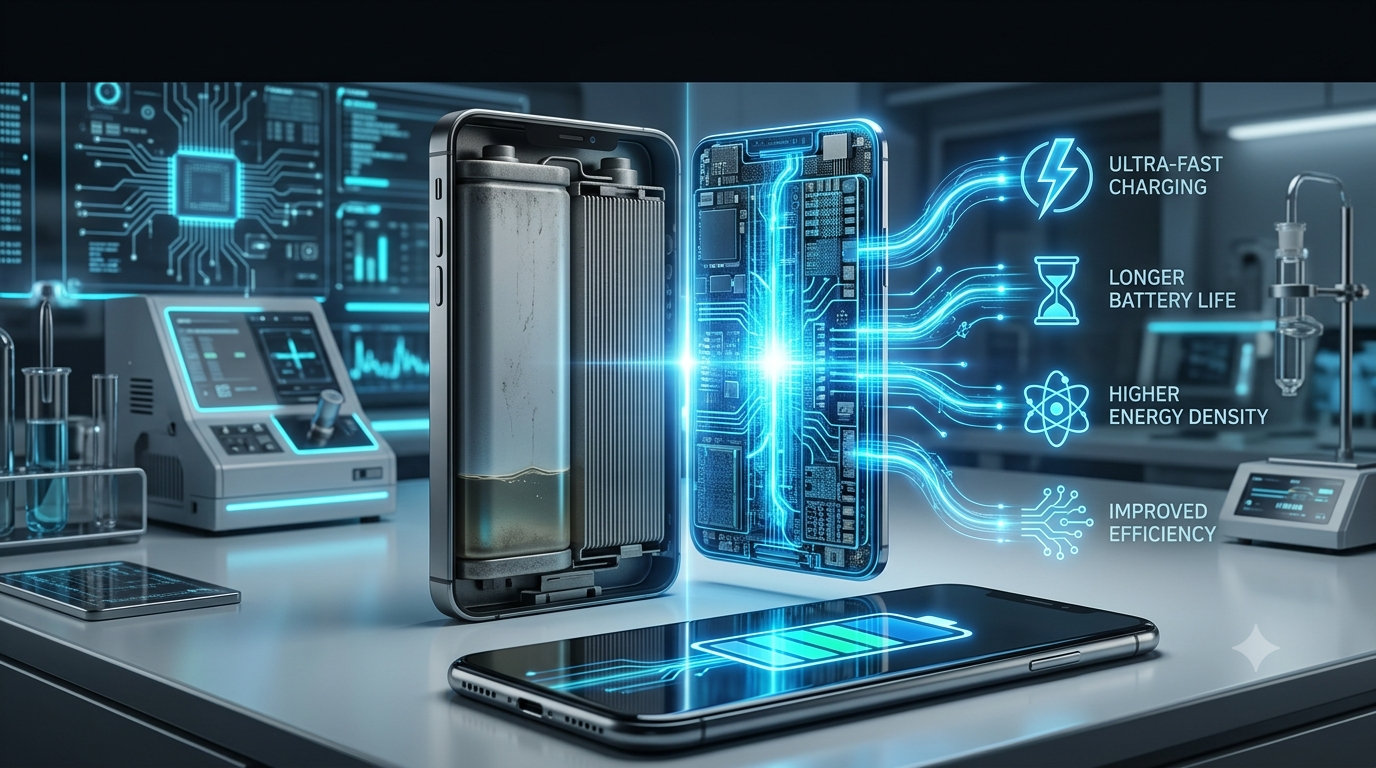
What Is Silicon Carbon Battery Technology and Why It Changes Everything
Battery technology has become one of the most important areas of innovation in the modern world. From smartphones and laptops to electric vehicles and renewable energy systems, almost every industry depends on efficient batteries. Traditional lithium-ion batteries have powered devices for decades, but manufacturers are now looking for better alternatives.
One of the most promising innovations is silicon carbon battery technology. Companies are investing billions of dollars in this technology because it offers higher energy density, faster charging, and longer battery life.
But what exactly is a silicon carbon battery, and why are experts saying that it could change everything?
In this article, you’ll learn how silicon carbon batteries work, their advantages, challenges, and why they could shape the future of energy storage.
What Is Silicon Carbon Battery Technology?
Silicon carbon battery technology is an advanced battery design that replaces some or all of the graphite in a traditional lithium-ion battery with silicon and carbon materials.
Conventional lithium-ion batteries use graphite anodes to store energy. Silicon carbon batteries improve this process by incorporating silicon, which can store significantly more lithium ions.
The combination of silicon and carbon offers several benefits:
- Higher energy density
- Faster charging speeds
- Longer battery life
- Better efficiency
- Improved performance in compact devices
Because of these advantages, manufacturers are rapidly adopting the technology.
How Does a Silicon Carbon Battery Work?
Like traditional lithium-ion batteries, silicon carbon batteries contain three main components:
- Anode
- Cathode
- Electrolyte
The biggest difference is the anode material.
In a standard battery, the anode is mostly made of graphite. In a silicon carbon battery, silicon particles are combined with carbon materials to increase energy storage capacity.
During charging:
- Lithium ions move toward the anode.
- Silicon stores more lithium ions than graphite.
- The battery holds more energy in the same amount of space.
This allows devices to achieve longer battery life without increasing battery size.
Why Silicon Is Better Than Graphite
Graphite has been the standard anode material for years, but it has limitations.
Silicon offers several advantages:
- Much higher energy capacity
- Faster charging capability
- Better energy efficiency
- Smaller battery designs
- Longer device runtime
In theory, silicon can store several times more lithium ions than graphite.
This is why many researchers believe silicon will play a major role in the next generation of batteries.
Key Benefits of Silicon Carbon Batteries
Higher Energy Density
The biggest advantage is energy density.
A silicon carbon battery can store more energy in the same physical space, which means smartphones, laptops, and electric vehicles can last longer on a single charge.
Faster Charging
Users increasingly demand faster charging speeds.
Because silicon handles lithium ions more efficiently, these batteries can support rapid charging technologies.
Slimmer Devices
Manufacturers can create thinner and lighter devices without sacrificing battery life.
Better Performance for Electric Vehicles
Electric vehicles require batteries that provide long range and quick charging.
Silicon carbon technology could help electric cars travel farther while reducing charging times.
How Silicon Carbon Batteries Improve Smartphones
Smartphone manufacturers are among the earliest adopters of silicon carbon batteries.
Benefits include:
- Longer battery life
- Faster charging
- Thinner designs
- Better gaming performance
- Reduced overheating
As smartphone features become more demanding, battery improvements become increasingly important.
The Impact on Electric Vehicles
Electric vehicle companies are investing heavily in battery innovation.
Silicon carbon batteries could improve:
- Driving range
- Charging speed
- Battery efficiency
- Vehicle weight
- Long-term durability
These improvements could accelerate the global adoption of electric vehicles.
Silicon Carbon Batteries and Renewable Energy
Renewable energy systems need efficient energy storage solutions.
Solar and wind power depend on batteries that can store electricity for later use.
Silicon carbon technology may help:
- Store more energy
- Reduce energy loss
- Improve grid reliability
- Increase storage capacity
This could support the transition to cleaner energy sources.
Challenges of Silicon Carbon Battery Technology
Despite its advantages, silicon carbon technology still faces several challenges.
Expansion Problems
Silicon expands significantly during charging cycles, which can reduce battery lifespan.
Manufacturing Costs
Producing silicon carbon batteries is currently more expensive than manufacturing traditional batteries.
Durability Concerns
Researchers are still working to improve long-term performance and stability.
However, rapid advancements are helping solve these problems.
Industries That Could Benefit
Many industries may benefit from silicon carbon batteries, including:
- Smartphones
- Electric vehicles
- Consumer electronics
- Aerospace
- Renewable energy
- Medical devices
- Robotics
The technology has applications far beyond mobile phones.
Silicon Carbon Batteries vs. Lithium-Ion Batteries
| Feature | Lithium-Ion Battery | Silicon Carbon Battery |
| Energy density | Good | Higher |
| Charging speed | Fast | Faster |
| Battery size | Larger | Smaller |
| Efficiency | Good | Better |
| Future potential | Limited | Very high |
Although lithium-ion batteries remain dominant today, silicon carbon technology could become the industry standard in the future.
Which Companies Are Investing in Silicon Carbon Batteries?
Many technology and automotive companies are researching or adopting silicon carbon technology.
These include:
- Smartphone manufacturers
- Electric vehicle companies
- Battery producers
- Renewable energy firms
As demand grows, investment in research and development will continue to increase.
The Future of Silicon Carbon Battery Technology
Experts believe that silicon carbon batteries will become more common over the next decade.
Future developments may include:
- Ultra-fast charging
- Higher energy density
- Lower production costs
- Longer battery life
- Better sustainability
As the technology matures, consumers can expect major improvements in electronic devices and electric transportation.
Conclusion
Silicon carbon battery technology is one of the most exciting developments in modern energy storage. By replacing traditional graphite with silicon and carbon materials, these batteries offer higher energy density, faster charging, and better efficiency.
Although challenges remain, the technology has the potential to transform smartphones, electric vehicles, renewable energy systems, and many other industries.
As research continues, silicon carbon batteries could redefine the way the world stores and uses energy.
FAQ’s
1. What is a silicon carbon battery?
A silicon carbon battery is an advanced battery that uses silicon and carbon in the anode to store more energy than traditional lithium-ion batteries.
2. Why are silicon carbon batteries important?
They offer higher energy density, faster charging speeds, and longer battery life.
3. Are silicon carbon batteries better than lithium-ion batteries?
They have several advantages, including better energy storage and faster charging, but the technology is still developing.
4. Where are silicon carbon batteries used?
They are used in smartphones, electric vehicles, consumer electronics, and renewable energy systems.