
Why AT&T CFO Says AI ROI Is Finally Measurable in October 2026
AT&T is no longer talking about artificial intelligence as a futuristic experiment. The company says its AI Gateway is already cutting AI costs by as much as 90%, with savings reaching millions of dollars. That changes the conversation around AI ROI: the question is no longer whether AI sounds promising, but whether finance teams can measure what it actually saves or earns.
AT&T CFO Pascal Desroches has spent years pushing the company toward tighter cost control and a more efficient operating model. In 2026, that approach is colliding with a technology that can produce measurable results across customer service, network operations, software development, and internal work. AT&T’s investor materials show Desroches participated in major investor conferences in September, while the company continued reporting strong operating results.
The biggest AI ROI surprise is that AT&T measures savings before hype
Most companies talk about AI ROI through broad claims about productivity. AT&T’s approach is more concrete. Its own responsible-AI reporting says it deploys AI where it can deliver measurable business value, including network efficiency, security, customer service, and employee support.
AT&T is doing that by looking at costs, performance, and operational outcomes together. Its AI Gateway is one example. The system chooses models based on the needs of individual tasks, rather than sending every request to the most powerful and expensive model.
AT&T says the gateway processes an average of 45 billion tokens per day and can reduce AI costs by up to 90%. The company says those reductions are already saving millions.
That is the kind of evidence CFOs can put into a business case.
The real reason AT&T AI ROI is easier to see now
The real reason AT&T AI ROI is becoming measurable is simple: the company has moved beyond isolated demonstrations.
AI is being used inside processes that already have financial measurements. Call routing can be judged by resolution rates and customer-care costs. Field dispatch can be evaluated by efficiency. Digital sales can be measured through conversion and service activity. Network tools can be assessed through reliability and operating expenses.
Desroches discussed this broader efficiency strategy in 2026, pointing to AI and machine learning as part of the technologies helping AT&T operate with fewer employees and lower call-center volumes even as its subscriber base has grown. He also described AI as one element of a larger cost-transformation program.
Here is the important distinction: AI does not have to create a brand-new revenue stream to produce ROI. It can generate returns by reducing the cost of an existing process.
For a telecom company operating at huge scale, saving a small amount on millions of interactions can become a significant financial result.
Did You Know?
AT&T says its AI Gateway uses cache-aware routing to match tasks with cost-effective models. The company says it can even change models during a multi-turn session, balancing speed, cost, and expected output quality.
AT&T is proving AI ROI through boring business metrics
The most valuable AI applications are not necessarily the flashiest ones.
Consider customer service. If AI helps route a customer to the right representative on the first attempt, the company can track call transfers, handling time, repeat contacts, and staffing requirements. Those numbers can be compared before and after deployment.
In my experience with clients, technology projects become much easier to defend when the financial metric is defined before the software is deployed. A vague goal such as “improve productivity” creates arguments later. A measurable goal such as “reduce average handling time by a defined amount” gives finance teams something they can test.
The hidden AI ROI lesson is model choice
There is another surprising lesson in AT&T’s strategy: better AI does not necessarily mean using the biggest model.
AT&T says only a small percentage of its tasks require the highest level of model sophistication. Many workloads can be handled by less expensive models without sacrificing the required quality.
That creates a direct connection between technical architecture and financial performance.
A company can spend heavily on AI infrastructure and still struggle to produce a return if every task is sent through an expensive model. Model routing, caching, workload classification, and task-specific models can change that equation.
AT&T says it is also training more open-source models for telecom-specific needs. The goal is to find the right balance among accuracy, speed, cost, and security.
For finance leaders, that is a major shift. AI spending becomes easier to manage when technology teams can explain why a particular model was selected for a particular workload.
AT&T’s AI ROI story still has a catch
The numbers are encouraging, but they do not prove that every AI project will deliver a strong return.
Cost savings from one system can be offset by spending elsewhere. Companies still have to pay for cloud infrastructure, data preparation, security controls, integration, model evaluation, employee training, and ongoing monitoring.
That is why AT&T’s story is more useful as a measurement framework than as a promise for every company.
Why October 2026 could be the turning point for AI spending
The broader AI market is entering a period where investors and executives increasingly want proof. Huge infrastructure budgets have created pressure for companies to demonstrate productivity and financial returns, not just future possibilities. Recent reporting shows businesses are already facing questions about whether AI investments are producing returns quickly enough.
AT&T’s experience fits that shift. Its AI strategy is increasingly connected to operational efficiency, network performance, customer experience, and cost management. The company has also publicly framed responsible AI around measurable value.
For AT&T, the strongest signal is that AI can now be discussed in the same language as other capital and operating investments: cost per task, efficiency, productivity, quality, and financial impact.
The bottom line is simple. AI becomes a serious business investment when a CFO can explain exactly where the money goes, what changes after deployment, and how the result appears in the numbers.
If you manage an AI project today, the best action you can take is to define its financial baseline before adding another feature or model.
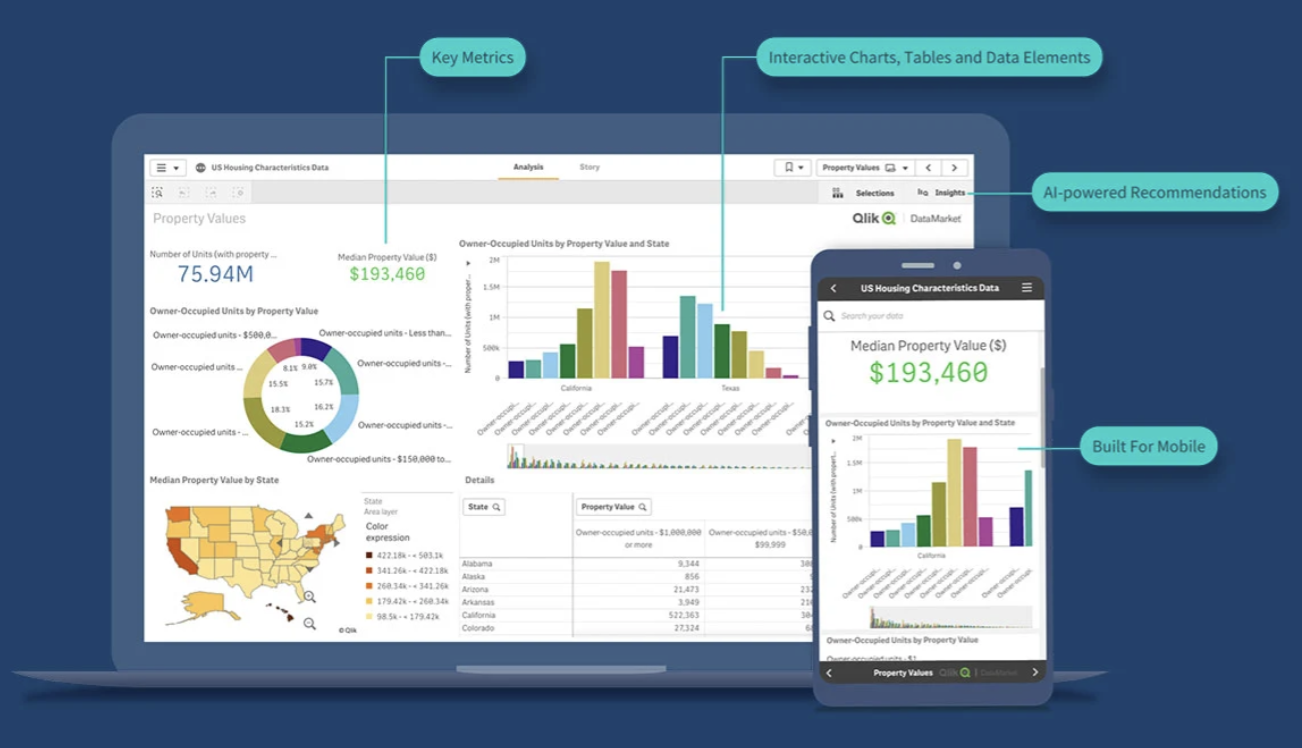
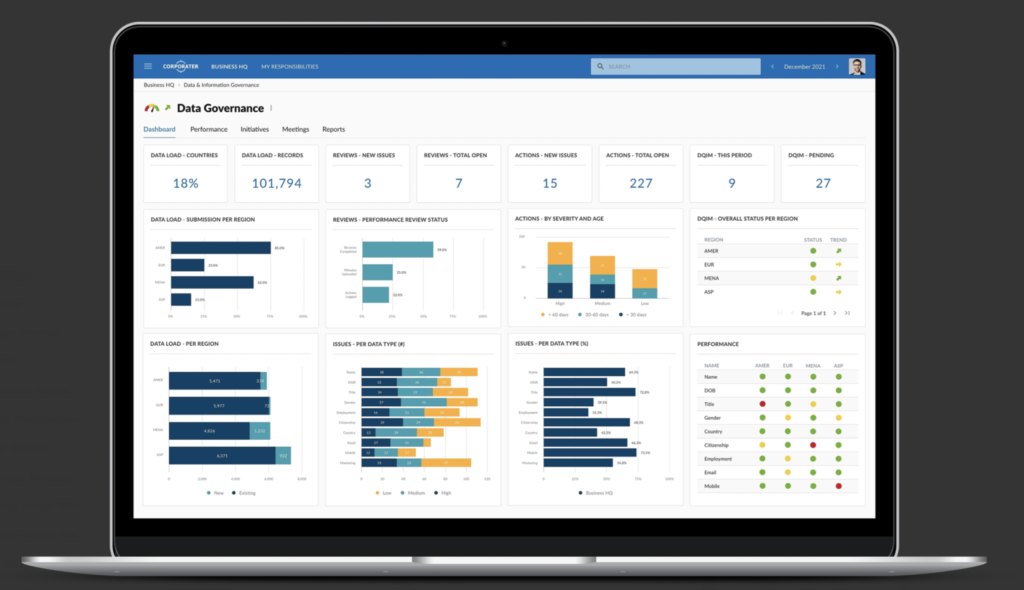
Would you trust an AI project more if your CFO could show its ROI on a financial dashboard?
FAQ’s
Why is AT&T AI ROI easier to measure in 2026?
AT&T AI ROI is easier to measure because the company is applying AI to existing business processes with established metrics. Customer service, network operations, model costs, and field efficiency can all be compared against previous performance. That creates clearer financial evidence than relying on broad claims about productivity or future growth.
How much can AT&T reduce AI costs?
AT&T says its AI Gateway can reduce AI costs by as much as 90% in applicable workloads. The company says it is already saving millions through cost-aware model routing. The result depends on the workload, model, caching strategy, and quality requirements, so the figure should not be treated as a universal AI cost reduction.
Does AT&T’s AI strategy guarantee strong ROI?
No. AT&T’s results do not guarantee strong ROI for every AI project. A useful calculation must include model costs, infrastructure, integration, security, training, monitoring, and other operating expenses. Companies also need quality and customer-impact measures, because a lower technology bill does not automatically mean a better financial outcome.