Why SoftBank Is Investing $50 Billion in Malaysia for AI
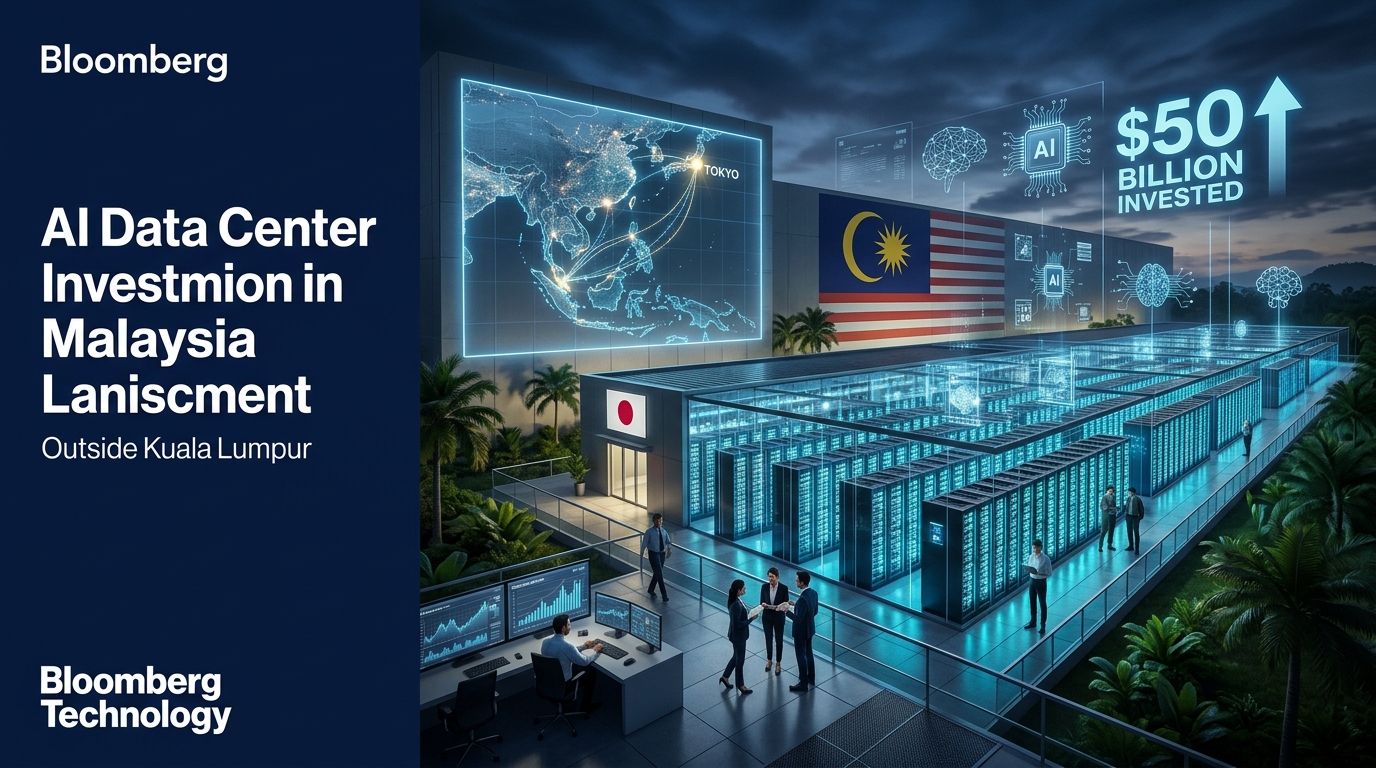
SoftBank’s reported $50 billion investment interest in Malaysia highlights Southeast Asia’s growing role in artificial intelligence. As AI adoption accelerates, companies need more computing power, reliable infrastructure, and strategic locations. Malaysia offers several advantages that could attract major technology investments.
However, the proposed investment figure requires careful verification. Until the companies or relevant authorities formally verify the figure, the reported $50 billion investment should be regarded as unconfirmed. Nevertheless, Malaysia’s expanding digital infrastructure makes it an important market to watch.
Why Malaysia Is Attracting AI Investment
Malaysia has become an increasingly attractive destination for technology companies. Its location connects businesses with major Asian markets, including Singapore, Indonesia, Thailand, and Vietnam.
Furthermore, the country offers established industrial zones, international connectivity, and a growing digital economy. These advantages support data centers, cloud computing, and AI infrastructure.
Malaysia’s location next to Singapore, one of Southeast Asia’s leading financial and technology centers, could also work in its favor. Companies can establish operations in Malaysia while maintaining access to Singapore’s business ecosystem.
This position may help Malaysia take on a more prominent role as AI grows across Southeast Asia.
SoftBank’s Growing Interest in Artificial Intelligence
SoftBank Group focuses much of its investment activity on emerging technologies, including AI, robotics, chipmaking, and the infrastructure that supports digital services.
AI has increased demand for advanced chips and powerful computing systems. Therefore, investors are looking beyond software companies toward the physical infrastructure supporting AI services.
Developing data centers, chip supply networks, and advanced computing facilities is expensive. Such projects can also take years to plan, build, and begin producing returns.
Potential projects in Malaysia could align with SoftBank’s wider technology goals. Still, interest in the market should not be mistaken for a confirmed investment pledge.
How Malaysia Could Support AI Infrastructure
1. Expanding Data Center Capacity
Data centers provide the computing power AI systems need to train models, handle data, and run services. They also depend on dependable power, effective cooling, fast connectivity, and appropriate sites.
Data center companies are looking to Malaysia for additional capacity in the region. Its closeness to Singapore may also appeal to businesses that serve customers throughout Southeast Asia.
Nevertheless, rapid expansion creates challenges. Data centers consume significant electricity and water, making efficient resource management essential.
2. Strengthening Cloud Computing Services
Cloud computing allows businesses to access computing resources without building their own infrastructure. AI applications rely on these services for training, deployment, and data processing.
Expanding Malaysia’s digital infrastructure could therefore give cloud providers more options for reaching customers across the region. Local capacity may also improve service responsiveness and support data residency requirements.
However, cloud growth depends on strong cybersecurity, reliable connectivity, and skilled technical teams.
3. Supporting Semiconductor Demand
AI development requires advanced processors, memory, and other semiconductor components. The country also brings an existing foundation in electronics and semiconductor manufacturing.
As AI hardware demand increases, the country could attract related manufacturing and supply-chain investments. These opportunities may create jobs and strengthen local industrial capabilities.
Still, semiconductor expansion requires specialized equipment, technical expertise, and long-term investment.
What a $50 Billion Investment Could Mean
Even if a $50 billion commitment is confirmed, its impact would depend on how the capital is allocated and how quickly projects move forward.
First, large infrastructure projects could create construction, engineering, and technology jobs. Second, supporting industries might benefit from increased demand for equipment, logistics, and professional services.
New developments could also prompt more global technology firms to grow their presence in Malaysia. Domestic companies may benefit from better access to computing capacity and opportunities to form new business partnerships.
However, the headline figure alone would not guarantee these benefits. The investment could involve multiple projects, funding partners, or commitments spread across several years.
Investors and businesses should therefore examine official announcements, project details, and implementation schedules.
Challenges Facing Malaysia’s AI Expansion
However, Malaysia will need to overcome several obstacles to make the most of these opportunities.
Electricity and Water Requirements
AI data centers require substantial energy and cooling resources. A rapid build-out could put additional strain on the country’s power and other utility networks.
Malaysia will need reliable power supplies and efficient cooling technologies. Renewable energy development could also help reduce the environmental impact of expanding facilities.
Competition Across Southeast Asia
Malaysia competes with Singapore, Indonesia, Thailand, and other regional markets for technology investment.
To attract and retain investors, Malaysia will need consistent rules, dependable infrastructure, and streamlined business procedures. Companies will also weigh operating expenses and the availability of skilled employees.
Skills and Cybersecurity
AI infrastructure requires specialists in cloud computing, networking, cybersecurity, and data engineering.
Expanding education and job training in technical fields could further improve Malaysia’s competitiveness. At the same time, businesses must protect sensitive information and maintain secure systems.
Without these capabilities, infrastructure investment may deliver fewer long-term benefits.
How Businesses Could Benefit From AI Investment
Businesses across Malaysia could benefit from improved access to AI tools and cloud services.
For instance, manufacturers could apply AI to spot potential equipment problems early and make production planning more efficient. Meanwhile, retailers could analyze customer behavior and manage inventory more effectively.
Financial institutions could also apply AI to fraud detection and customer support. Additionally, smaller companies might use cloud-based AI tools without purchasing expensive hardware.
However, these benefits depend on affordability, reliable services, and responsible implementation. Businesses should identify practical use cases before committing significant budgets.
Final Thoughts: What Happens Next for Malaysia’s AI Ambitions?
Malaysia’s long-term opportunity depends on more than attracting a single major investor. Long-term progress will depend on reliable infrastructure, a strong pipeline of technical talent, and sustained confidence among investors.
SoftBank’s broader interest in AI makes its investment strategy worth monitoring. Nevertheless, the reported $50 billion figure should not be presented as a confirmed Malaysian commitment without reliable supporting evidence.
Official announcements will clarify the investment amount, participating companies, project locations, and expected timelines.
By continuing to develop its digital ecosystem, Malaysia could establish itself as a more significant hub for AI infrastructure in Southeast Asia.
Ultimately, the country’s success will depend on turning investment interest into sustainable projects, skilled employment, and measurable economic growth.