Biometric Technology and the Future of Digital Innovation
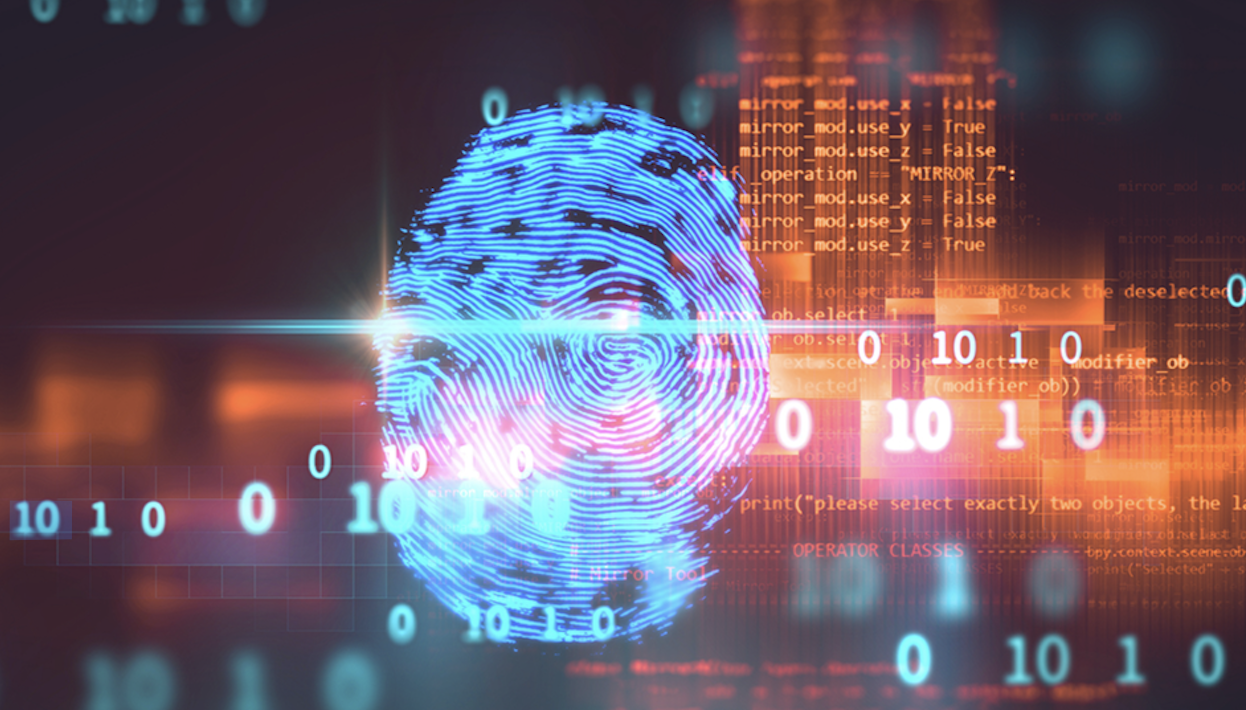
Biometric technology is transforming how we protect, identify, and connect in the digital age. It verifies identities by analyzing unique physical and behavioral traits such as fingerprints, facial features, voice, and iris patterns. As this technology advances, it will dramatically improve digital security and enhance user experiences. Consequently, it will shape the way we interact with technology in the future.
The Growing Popularity of Biometric Technology
In recent years, biometric systems have moved from experimental ideas to daily essentials. For instance, people now unlock smartphones with fingerprint scans or access secure buildings using facial recognition. As a result, biometric solutions are becoming a staple in our routines. Governments, banks, and tech companies increasingly adopt these solutions to boost security, prevent fraud, and make authentication faster and more convenient.
The Future of Digital Security
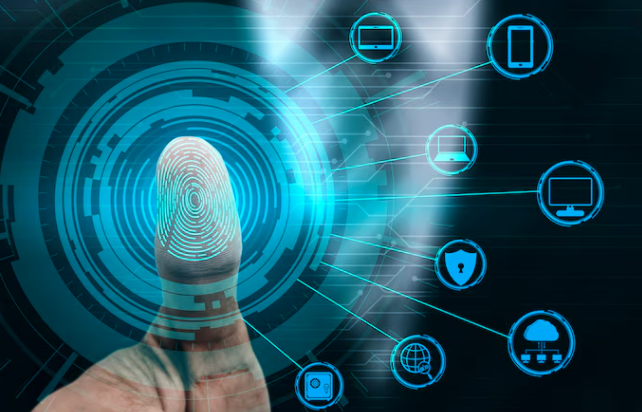
Traditional password systems are losing effectiveness as cyber threats become more sophisticated. Biometrics offers a stronger alternative because it depends on biological features that are difficult to duplicate or steal. Looking ahead, we expect to see more advanced multi modal biometric systems. These systems will combine identification methods like facial recognition, voice analysis, and fingerprint scans. Consequently, they will create even higher security levels, making unauthorized access nearly impossible and better protecting personal data and digital assets.
Making Digital Interactions More Seamless
Biometric technology also aims to make online and mobile interactions more seamless. For example, users might access devices or complete transactions simply with their face or fingerprint. This frictionless authentication not only saves time but also improves security. Moreover, future biometric systems could become highly personalized. They will learn individual preferences and behaviors, providing a more intuitive and tailored digital experience.
Expanding Applications and New Innovations
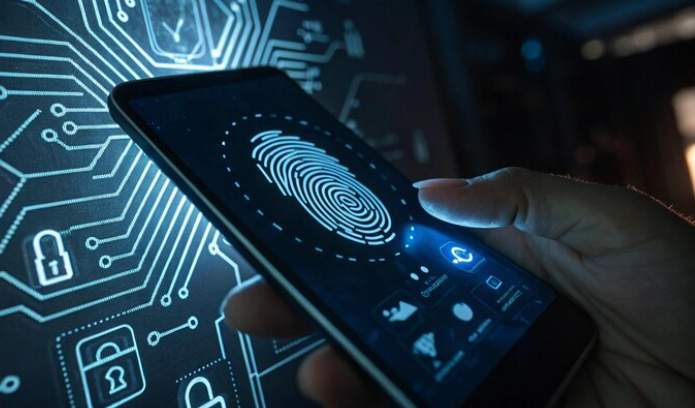
The applications of biometrics extend beyond security. In healthcare, biometric data can identify patients, simplify medical records management, and enable personalized treatments. In retail and hospitality, facial recognition can speed up check ins and create customized shopping or dining experiences. Additionally, biometric technology plays a vital role in contactless payments, border control, and voting systems. These applications make processes faster, safer, and more reliable.
Challenges and Ethical Concerns
Despite these advantages, biometric technology faces significant challenges. Privacy concerns are at the forefront because biometric data is highly sensitive. If not properly protected, it becomes vulnerable to misuse. Data breaches could have severe consequences, highlighting the need for strong cybersecurity measures. Furthermore, ethical issues such as consent, surveillance, and data ownership require careful management. These concerns must be addressed to ensure responsible and transparent use of biometric systems.
Final Thoughts
In conclusion, biometric technology is set to redefine the digital landscape. It will make security more robust and interactions more effortless. With ongoing advancements in artificial intelligence, machine learning, and sensor technology, biometric systems will become more accurate, faster, and more secure. Therefore, embracing these innovations responsibly will be crucial. By doing so, we can create a safer, more efficient, and highly personalized digital world that benefits both individuals and organizations.
Also Read: Simple Cybersecurity Tips for Staying Safe Online in Today’s Digital World