
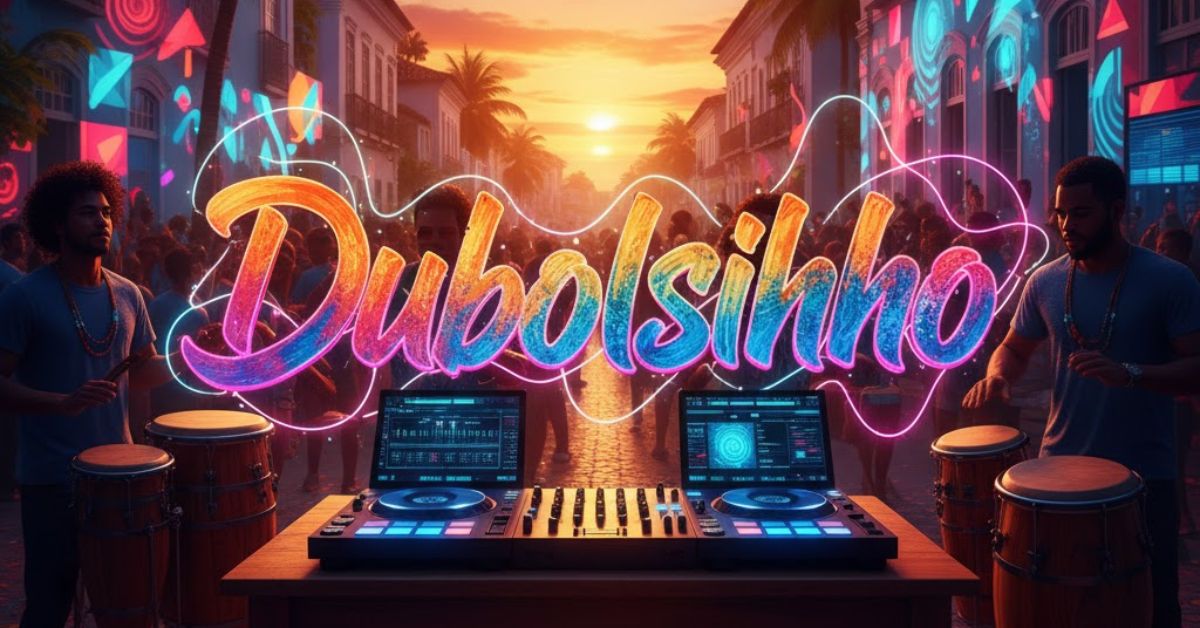
Dubolsinho: The Rise of a Brazilian Rhythm Fusion
Dubolsinho is a developing musical style that blends regional Brazilian rhythms with modern production, creating a sound that is both rooted in tradition and shaped by contemporary listening habits. Dubolsinho has attracted attention among independent musicians, DJs, and cultural researchers who study how local musical forms evolve in the digital era. The term is often used to describe compositions that combine layered percussion patterns, melodic phrasing inspired by coastal folk music, and bass driven arrangements influenced by urban genres. In community music forums and regional festivals, Dubolsinho is increasingly mentioned as part of a broader movement to reinterpret heritage without losing authenticity. While still emerging, Dubolsinho already demonstrates how regional identity can remain strong even as artists experiment with new textures, recording tools, and distribution platforms that allow niche genres to reach listeners across continents.
Origins of Dubolsinho
Dubolsinho began as a grassroots musical experiment in local performance spaces where percussionists and guitarists sought to reinterpret traditional rhythmic cycles in a modern context. Musicians who grew up hearing regional dance rhythms started to combine those patterns with electronic beats and studio effects. This process did not occur in a single city or through one influential figure. Instead, Dubolsinho formed gradually through collaboration, small festivals, and independent recordings shared online.
One reason Dubolsinho emerged is the increasing accessibility of digital recording tools. By the early 2020s, affordable audio software and compact recording equipment allowed regional musicians to produce tracks without major studio budgets. This technological shift mirrored earlier transformations in Brazilian music history when radio broadcasting and cassette culture helped regional sounds travel beyond their local audiences.
Another factor was cultural preservation. Younger artists wanted to keep rhythmic traditions alive but also wanted to create music that resonated with listeners accustomed to electronic production. Dubolsinho became a way to bridge those goals.
Read More: Sosoactive: Unleashing Vibrant Lifestyle & Entertainment Hub
Musical Structure and Sound Elements of Dubolsinho
Dubolsinho compositions typically emphasize layered rhythm rather than complex harmonic changes. The rhythmic foundation often relies on repeating patterns played on hand percussion, frame drums, or digital drum machines programmed to imitate acoustic sounds. The tempo generally falls in a mid range between 90 and 115 beats per minute, allowing both dance and relaxed listening.
Melodic lines in Dubolsinho frequently use short phrases that repeat and gradually evolve. This structure reflects traditional call and response patterns found in many regional musical practices. Bass lines play a significant role, often providing both rhythmic drive and melodic contour, which helps the music remain engaging even when the harmonic progression is simple.
Production techniques also shape the sound. Reverb is used to simulate open performance spaces, while subtle delay effects create a sense of movement. Producers often avoid heavy compression to preserve the dynamic quality of percussion, which is essential to the identity of Dubolsinho.
Cultural Roots in Brazilian Traditions
Dubolsinho draws inspiration from multiple regional traditions that emphasize rhythm and communal participation. Coastal and northeastern musical practices, in particular, have influenced the genre’s rhythmic vocabulary. These traditions often center on dance and storytelling, both of which remain important in Dubolsinho performances.
Cultural researchers note that rhythm based music has long played a role in social gatherings, religious ceremonies, and seasonal festivals across Brazil. Dubolsinho continues this function in a modern context, appearing in street events, university cultural programs, and independent music gatherings.
The genre also reflects the broader Brazilian approach to musical fusion. Artists such as Gilberto Gil and Caetano Veloso demonstrated decades ago that blending tradition with innovation could produce globally influential music. Dubolsinho follows a similar philosophy, though on a smaller and more localized scale.
Instruments and Production Techniques in Dubolsinho
Acoustic percussion remains central to Dubolsinho. Instruments such as hand drums, shakers, and wooden percussion blocks are frequently recorded using close microphone placement to capture subtle tonal variations. These acoustic recordings are then combined with synthesized textures or sampled sounds, creating a layered sonic environment.
Guitars are commonly used, but they are often played with muted strumming or fingerstyle techniques that emphasize rhythm over melody. Keyboards and synthesizers add atmospheric pads rather than dominant leads. Vocals, when present, are usually conversational in tone and focus on storytelling or descriptive imagery rather than elaborate vocal runs.
Producers of Dubolsinho tracks often rely on loop based composition. A short rhythmic loop is recorded first, followed by incremental additions of percussion, bass, and melodic fragments. This method allows the groove to remain consistent while still evolving over the course of the track.
Growth, Audience, and Statistics Related to Dubolsinho
Although Dubolsinho is still emerging, small scale data from independent music platforms and regional event organizers provides insight into its growth. Several Brazilian independent music blogs reported that playlists labeled with the keyword Dubolsinho increased in followers by approximately 30 percent between 2022 and 2025. While these numbers are modest compared to mainstream genres, they indicate steady niche expansion.
Attendance at regional fusion music festivals has also shown measurable growth. Event organizers in northeastern Brazil have noted audience increases ranging from 15 to 25 percent in events where Dubolsinho performers were featured. Streaming data from independent distributors suggests that listeners of rhythm driven fusion genres tend to replay tracks more frequently than listeners of purely electronic genres, with average replay rates estimated at 1.6 to 2.1 plays per listener.
These statistics suggest that Dubolsinho appeals strongly to dedicated listeners, even if its overall audience size remains relatively small.
Interesting Facts About Dubolsinho
Dubolsinho performances often involve improvisation, particularly in percussion sections. Musicians may extend or shorten rhythmic cycles depending on audience response, creating a flexible performance structure that differs from tightly scripted studio recordings.
Another notable feature is the genre’s emphasis on collaborative recording. Many Dubolsinho tracks credit multiple percussionists or guest instrumentalists, reflecting a communal approach to music making. This collaborative spirit mirrors traditional ensemble practices where rhythm sections were built through group interaction rather than individual performance.
An additional interesting aspect is the role of visual aesthetics. Album artwork associated with Dubolsinho frequently incorporates bright colors, geometric patterns, and imagery inspired by coastal landscapes. These visuals help communicate the genre’s connection to environment and culture, reinforcing its identity beyond sound alone.
Influence on Modern Brazilian Music
Dubolsinho has begun to influence other independent genres by encouraging musicians to experiment with rhythmic layering and acoustic percussion. Some electronic producers have incorporated Dubolsinho style grooves into dance tracks, while folk musicians have adopted modern production techniques after collaborating with Dubolsinho artists.
Music educators have also taken interest in the genre. Workshops on rhythm and improvisation sometimes use Dubolsinho tracks as teaching material because they demonstrate how traditional patterns can be adapted without losing their original character. This educational role may contribute to the genre’s long term sustainability.
The influence of Dubolsinho remains localized but continues to expand as artists share recordings through streaming platforms and social media.
How Artists and Producers Create Dubolsinho Tracks
The creation of a Dubolsinho track usually begins with rhythm rather than melody. A percussionist records a base groove, often using multiple layers of hand percussion to create depth. Producers then add bass lines that interact rhythmically with the percussion rather than simply outlining chord changes.
Melodic elements are introduced gradually. Short guitar phrases, keyboard textures, or sampled sounds provide contrast without overwhelming the rhythmic foundation. Vocals, if included, are recorded last so that the singer can adapt phrasing to the established groove.
Mixing focuses on clarity and spatial balance. Engineers avoid excessive effects that could blur the percussion, ensuring that each rhythmic layer remains audible. The final mastering stage typically preserves dynamic range, which helps maintain the natural feel of acoustic instruments.
The Future of Dubolsinho
The future of Dubolsinho depends on continued collaboration and documentation. As more artists record and publish their work, the genre will likely develop clearer stylistic conventions. Researchers studying regional music evolution may also contribute by archiving recordings and interviewing performers, ensuring that the origins of Dubolsinho are preserved.
Technology will play an important role as well. Advances in mobile recording and online distribution make it possible for musicians in remote areas to share Dubolsinho tracks with global audiences. If current trends continue, the genre could expand beyond its regional base and influence broader fusion music movements.
Conclusion
Dubolsinho represents a compelling example of how musical traditions can adapt without losing their cultural roots. Dubolsinho combines rhythmic heritage, modern production, and collaborative creativity in a way that reflects both continuity and change. Its growth, though gradual, demonstrates that niche genres can build loyal audiences when they offer authenticity and strong rhythmic identity. The genre’s reliance on percussion, improvisation, and storytelling links it to long standing performance traditions, while its use of digital tools shows how musicians respond to technological shifts. As independent artists continue to explore hybrid forms of expression, Dubolsinho is likely to remain an important case study in the evolution of regional music. Whether experienced in a live performance or through streaming platforms, Dubolsinho provides listeners with a sound that is grounded in culture yet open to experimentation, ensuring its relevance in the years ahead.