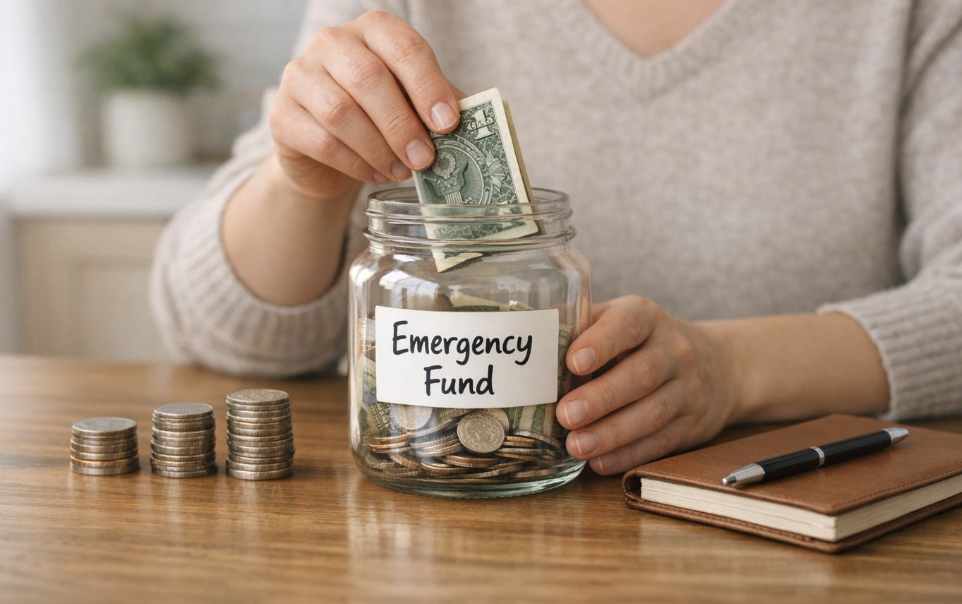
Emergency Funds: A Guide to How Much to Save and Where to Keep It
A broken water heater does not wait for payday. Neither does a sudden layoff, a dental bill, or a flight home for a family emergency. An emergency fund is the cash buffer that turns these events from financial crises into inconvenient but manageable problems. Without one, people reach for credit cards, high-cost loans, or retirement accounts, and the interest or penalties can linger long after the emergency has passed.
The challenge is that advice on this topic often sounds either vague or rigid. Some sources say save three months of expenses, others say save a year, and few explain how to choose between them. Just as important, savers often leave the money in the wrong place, where it earns nothing, tempts them into spending, or cannot be reached in time.
This guide walks through how to set a target that fits your life, where to hold the money so it stays safe and accessible, how to build the balance from nothing, and how to use it without guilt. The principles apply in most countries, though account types and deposit insurance schemes differ, so check the details with your own bank or financial regulator.
Sizing Your Cushion: Months of Expenses as a Starting Point
The most common starting point is a range of three to six months of essential living costs. The word essential matters. The target is not your full monthly spending, which includes dining out, subscriptions, and travel. It is the amount needed to keep the lights on, the household fed, and the debts paid if income stopped tomorrow.
To find the number, list the bills you could not skip: housing, utilities, groceries, transportation, insurance premiums, minimum debt payments, childcare, and necessary medications. Add them up for a typical month and multiply by the number of months you want to cover. Many people find this figure is lower than their total spending, which makes the goal feel more reachable.
Treat the range as a guide rather than a rule. A person with a stable salary, a working partner, and low fixed costs may be comfortable near the lower end. A person with irregular income or a single paycheck supporting several people may want to aim higher. The point is to choose a number deliberately instead of drifting toward whatever balance happens to be in the account.
It also helps to think in stages. Most savers do better with milestones than with one distant target.
- Starter buffer: A small first cushion, often one month of essentials or even a modest fixed amount, that absorbs minor shocks like a car repair or a vet visit.
- Core fund: Three months of essential costs, enough to handle a short gap between jobs or an unexpected medical bill.
- Full fund: Six months or more of essentials, suited to people with variable income, dependents, or specialized careers where job searches take longer.
- Extended reserve: A separate pool for long-term risks, such as a lengthy illness or a business downturn, held only after the first three layers are complete.
Factors That Push the Target Higher or Lower
Two households with the same income can need very different cushions. The right size depends on how predictable your income is, how many people rely on it, and how much protection you already have from other sources.
Income stability is the biggest factor. Salaried employees in growing industries usually face shorter gaps between jobs than freelancers, seasonal workers, commission earners, or people in fields where openings are scarce. If your pay swings from month to month, a larger fund smooths out the lean stretches and prevents you from borrowing during a slow season.
Household structure matters as well. A single earner supporting children or a dependent relative carries more risk than two earners in different industries, because one job loss does not stop all income. Homeowners should consider repair costs that a landlord would cover for a renter, such as roofs, furnaces, and plumbing. Health matters too, especially where medical care involves large out-of-pocket costs. A chronic condition or a family history of costly treatment is a fair reason to hold more.
Your job market matters as well. If your skills are in steady demand and you keep an updated resume and professional network, a search may be short. If your role is niche or your industry is shrinking, plan for a longer runway. Ask colleagues or recruiters how long searches typically take in your field, and use that answer to choose a month count with confidence.
Existing safety nets can reduce the target. Generous severance policies, strong employer disability coverage, unemployment benefits, and family who could help in a pinch all lower the cash you need on hand. Be realistic, though. Benefits can be delayed, capped, or unavailable, and relying on relatives can strain relationships.
- Income pattern: Steady paychecks justify a smaller cushion, while freelance, commission, or seasonal income calls for a larger one.
- Dependents: Children, partners without income, or relatives you support raise the monthly baseline and the stakes of any gap.
- Housing situation: Owners face repair bills directly, so they often hold more than renters with similar incomes.
- Insurance coverage: Good health, disability, and home or auto policies reduce the size of the shocks the fund must absorb.
- Debt load: Heavy fixed payments raise the monthly total you must cover during a job gap.
Where the Money Should Live
An emergency fund has three jobs: it must be safe, it must be reachable within a day or two, and it should be slightly inconvenient to spend on everyday wants. The best home is usually a savings account at a bank or credit union that carries deposit insurance in your country. Insurance means that if the institution fails, the covered balance is protected up to a stated limit. Look up the limit with your national deposit insurer, since it varies by country and ownership category.
Many people choose a high-yield savings account at an online bank because it pays more interest than a standard branch account while remaining liquid. Interest rates change often, so compare current offers rather than relying on a number you saw months ago. A money market account can work too, as can a short-term certificate of deposit for a portion of the fund, though early withdrawal penalties make certificates less flexible.
Keeping the fund separate from checking is a quiet but powerful habit. When the money sits in the same account as daily spending, it blends into your budget and slowly disappears. A separate account, ideally at a different bank than your checking, adds just enough friction to make you pause before dipping in.
Before opening an account, read its terms. Check for monthly maintenance fees, minimum balance requirements, limits on how many withdrawals you can make, and the time a transfer takes to reach your checking account. A fee that looks small can quietly consume a large share of the interest you earn on a modest balance. Also confirm that the account lets you link to your main bank so you can move money quickly during a real emergency.
Avoid places where the value can fall when you need it. Stocks, funds, and crypto assets can drop sharply in the same recession that causes layoffs. Cash under a mattress carries theft and fire risk and earns nothing.
- Savings account: Simple, insured in most countries, and available within a day or two, which makes it the default choice for the core of the fund.
- High-yield online account: Usually pays more than a branch account, with transfers that take a business day or so.
- Money market account: Often pays competitive interest and may include check-writing, but read the fee schedule and minimums.
- Short-term certificate: Can lock in a rate for part of the fund, though early withdrawal penalties reduce flexibility.
- Physical cash: A small amount at home covers short outages of cards or machines, but it should never be the main store.
Building the Fund From Zero
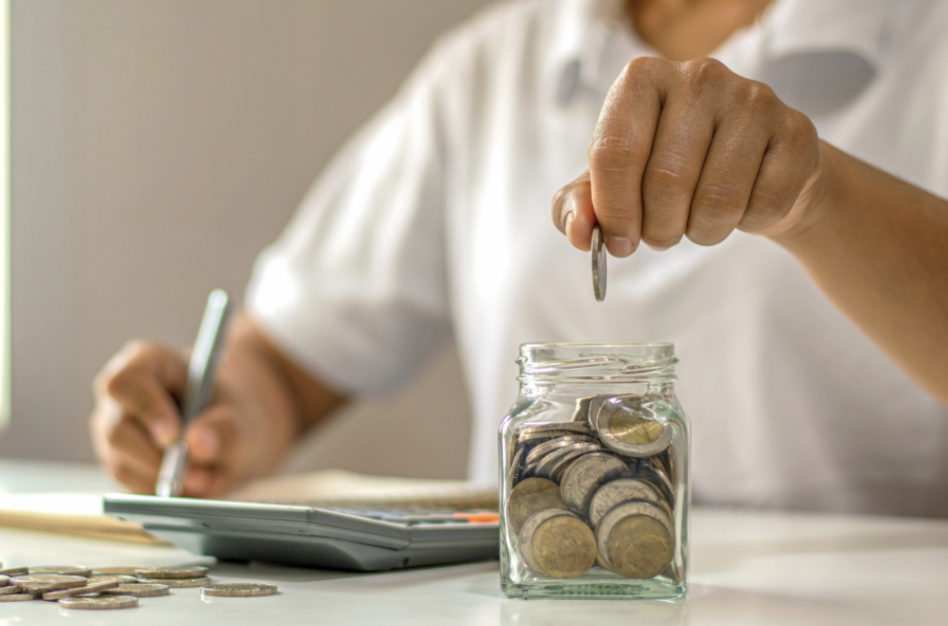
The hardest part of an emergency fund is the start. When money is tight, setting aside even a small amount feels pointless against a target of several months. The solution is to make saving automatic and to attach it to a milestone you can reach quickly.
Begin by choosing a first goal that feels almost easy, such as the cost of one common repair or one month of groceries. Set up a recurring transfer from checking to the savings account on the day your paycheck arrives. Paying yourself first works because the money moves before you have a chance to spend it. Start with whatever amount does not cause you to overdraw, and raise it each time your income increases.
Find extra cash in windfalls. Tax refunds, bonuses, cash gifts, and the proceeds from selling unused items can all go straight to the fund. Many savers commit a fixed share of each windfall, say half, and allow themselves to enjoy the rest. That balance keeps the habit sustainable.
If you carry high-interest debt, you may feel torn between paying it down and saving. A common approach is to build a small starter buffer first, so a surprise expense does not push you deeper into debt, then split extra money between debt payments and the fund. A qualified financial counselor can help you weigh the tradeoffs based on your rates and balances.
Review progress monthly. A short check of the balance, with a note of how many days of expenses it covers, keeps the goal visible and motivating.
Celebrate each milestone in a low-cost way. Saving can feel like a long stretch of giving things up, so acknowledging progress, even with a favorite home-cooked meal, helps the habit last. If a month goes badly and you cannot deposit anything, resume the next month rather than abandoning the plan. Consistency over years matters far more than perfection in any single month.
- Automatic transfers: Schedule a fixed amount on payday so saving happens without a decision.
- Windfall rule: Send a set share of refunds, bonuses, and gifts to the fund before spending anything.
- Round-ups: Use bank features that round purchases to the next dollar and move the difference to savings.
- Expense trims: Redirect money freed by canceling an unused subscription or negotiating a bill.
- Side income: Dedicate earnings from occasional gigs or sales entirely to the cushion until it reaches the next milestone.
Rules for Using and Replenishing the Fund
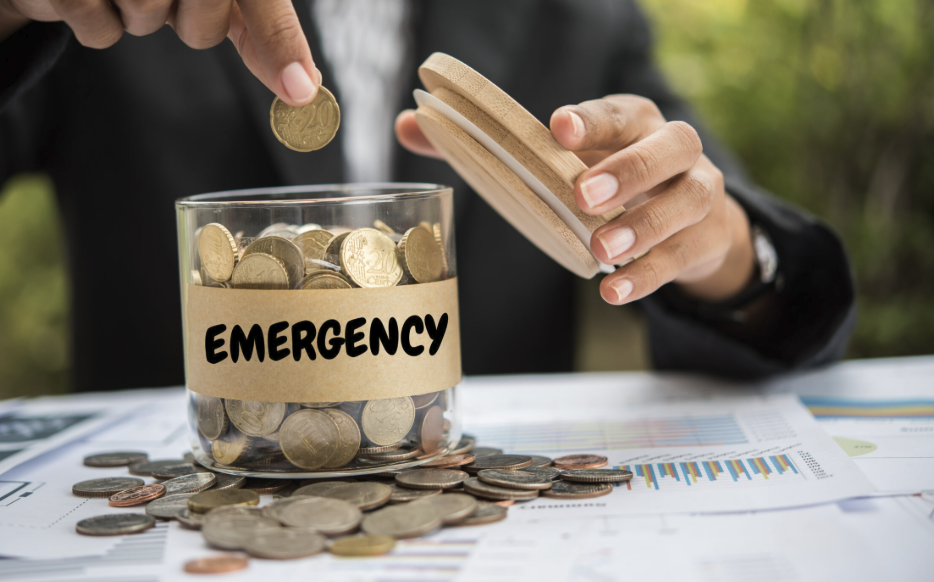
A fund only works if you are clear about when to use it. Without rules, every sale and every vacation starts to feel like an emergency. A useful test has three questions. Is the expense unexpected? Is it necessary? Is it urgent, meaning it cannot wait until you have saved for it normally? If the answer to all three is yes, the fund is the right tool.
Qualifying events usually include job loss, urgent medical or dental care, essential home or vehicle repairs, and emergency travel for family. Predictable costs such as annual insurance premiums, holiday gifts, and tuition do not qualify. Those belong in sinking funds, which are separate savings buckets you fill gradually toward a known date.
When you do withdraw, do not treat it as failure. Using the fund is exactly what it is for. The more important step comes afterward. Once the crisis passes, pause other optional savings goals and rebuild the balance. Restart the automatic transfer, and consider raising it for a while to refill the account faster.
For a job loss, take extra care. Review your essential costs right away, cut anything optional, and calculate how many months the fund will last at the reduced level. Apply promptly for any benefits you may be eligible for through your government or former employer, since processing can take weeks. Contact lenders and landlords early if you expect trouble, because many offer hardship arrangements to people who reach out before missing payments.
Finally, revisit the target once a year or after a major life change such as a new baby, a home purchase, or a move to self-employment. A fund that fit last year may be too small today.
Common Mistakes That Drain a Safety Net
Even people who save diligently make errors that weaken the cushion. The first is leaving the balance in an account that pays almost no interest for years. Inflation slowly erodes the purchasing power of idle cash, so periodically check whether your account still offers a competitive rate and move it if not.
The second is chasing returns. It is tempting to invest the fund in the stock market in hopes of faster growth, but markets can decline just when you need the money. Keep the emergency fund in stable, insured cash and invest long-term savings separately.
The third is tying the money up. Putting the entire fund into a long certificate, a retirement account with withdrawal penalties, or real estate makes it hard to access. Another version of this error is storing the money in a place that is too easy to spend, such as a debit-linked checking account.
A fourth mistake is relying on credit as the plan. A credit card or line of credit is a backup, not a replacement, because it can be reduced or closed during the same downturn that costs you your job. Borrowed money also comes with interest that grows the original emergency.
Finally, many people never write down the plan. Record where the money is, how to access it, and who else in the household needs to know. If you share finances with a partner, agree together on what counts as an emergency so the fund does not become a source of conflict.
- Idle cash: Leaving funds in a near-zero interest account for years while better insured options exist.
- Risky holdings: Placing the cushion in assets that can fall in value during a recession.
- Locked access: Choosing products with penalties or delays that defeat the purpose of fast help.
- No replenishment: Spending the fund once and never restoring it to its target.
Final Thoughts
An emergency fund is not an exciting financial goal, but it supports almost every other one. With a cushion in place, you can handle a surprise bill without panic, take time to find the right job instead of the first one, and avoid borrowing at high cost when life takes an unplanned turn. The fund buys time, and time buys better decisions.
Start small and be consistent. Calculate your essential monthly costs, set a first milestone, open a separate insured account, and automate a transfer this week. Keep the rules for using it simple, replenish it after every withdrawal, and review the target as your life changes.
Rates, account features, and deposit insurance limits vary by country and change over time, so confirm current details with your bank, credit union, or national regulator. The information here is general education, not personal financial advice, and a qualified professional can help you tailor a plan to your own situation.
Frequently Asked Questions
How many months of expenses should I save if I am just starting out?
Start with a small buffer, such as one month of essential costs, then work toward three months. This staged approach is easier to stick with than aiming for six months from day one. Once you reach three months, reassess based on your income stability and responsibilities and decide whether to continue toward a larger cushion.
Should I pay off debt before building an emergency fund?
Many people do both in sequence. Build a modest starter fund first so that a surprise bill does not force you to borrow again, then direct extra money toward high-interest debt while continuing small, regular deposits to savings. Your specific interest rates and balances matter, so consider speaking with a nonprofit credit counselor or financial professional.
Is a high-yield savings account safe for an emergency fund?
It can be, provided the bank or credit union carries deposit insurance from a recognized government or industry scheme. Confirm that the institution participates, check the coverage limit that applies to you, and keep balances within that limit where possible. Rates can change at any time, so review them periodically.
Can I invest my emergency fund to earn more?
It is generally not recommended. The purpose of the fund is stability and quick access, not growth. Investments can lose value or take days to sell, and downturns often coincide with job losses. Keep long-term goals invested separately and let the emergency fund stay in cash-like accounts.
Do couples need one emergency fund or two?
Either approach can work. A joint fund sized to the household’s shared essentials is simple and transparent. Some couples also keep small individual reserves for personal surprises. What matters is that both partners know where the money is, agree on when to use it, and contribute in a way that feels fair.
When should I top up or resize my emergency fund?
Review it at least once a year and after major changes, such as a new job, a move, a larger mortgage or rent, a new child, or a shift to self-employment. Also top it up whenever you withdraw. If your essential costs have risen with inflation, your target number should rise as well.