

10 Crypto Mistakes Beginners Must Avoid for Safe Investing
Cryptocurrency has transformed from a niche internet experiment into a global financial movement. Millions of people are now buying digital assets like Bitcoin, Ethereum, and Solana in hopes of building wealth or protecting themselves from inflation. Reports published in 2026 show that crypto ownership continues to rise worldwide, with millions of new investors entering the market every year. Yet despite this explosive growth, beginners still lose billions of dollars through scams, emotional decisions, poor security habits, and unrealistic expectations.
The crypto market can feel exciting, fast-moving, and full of opportunity. It can also feel like a digital jungle where one wrong click can wipe out your savings overnight. Unlike traditional banks, crypto transactions are usually irreversible. If you make a mistake, there is rarely a customer service hotline waiting to rescue you. That reality makes education one of the most valuable investments any beginner can make before buying their first coin.
Recommended:
Cryptocurrency Basics: A Beginner’s Guide to Digital Currency
Many newcomers enter crypto after watching influencers brag about overnight profits or hearing success stories from friends. What they often do not hear are the stories about hacked wallets, rug pulls, fake exchanges, or panic-selling during market crashes. The difference between successful investors and frustrated beginners usually comes down to avoiding common mistakes. Think of crypto investing like driving a high-performance sports car. The speed and power are exciting, but without discipline and awareness, the crash can happen just as fast.
This guide explains the 10 biggest crypto mistakes beginners must avoid to invest more safely and intelligently in 2026 and beyond.
Why Crypto Investing Attracts Millions of Beginners
Cryptocurrency attracts beginners because it promises financial freedom, innovation, and potentially massive returns. Unlike traditional investing, crypto markets operate 24/7, giving anyone with internet access the ability to trade digital assets instantly. This accessibility makes crypto feel modern and democratic. People no longer need large bank accounts or complicated brokerage systems to participate. A smartphone and a crypto wallet are often enough to get started.
Recent market reports show that crypto adoption continues expanding globally as younger investors become more comfortable with digital finance. Many beginners are especially drawn to decentralized finance, NFTs, blockchain gaming, and stablecoins because they see these technologies as part of the future economy. Social media also fuels excitement by constantly showcasing stories of ordinary people turning small investments into life-changing wealth.
The problem is that excitement can cloud judgment. Beginners often rush into crypto without understanding how wallets work, how scams operate, or how volatile prices can become. Crypto markets move much faster than traditional stock markets, and emotional reactions can quickly lead to poor decisions. A coin that rises 40% in one week can drop 60% the next. Without preparation, beginners become easy targets for scammers and market manipulation.
Safe investing starts with understanding that crypto is not a guaranteed shortcut to wealth. It is a high-risk financial environment that rewards patience, knowledge, and security awareness. People who treat crypto like gambling usually lose. Those who treat it like a long-term learning process often make smarter decisions over time.
Mistake #1 – Investing Without Understanding Cryptocurrency
One of the biggest mistakes beginners make is buying cryptocurrencies they do not understand. Many people purchase coins simply because they are trending on social media or because someone online promised huge returns. This approach is like buying a car without knowing whether it has brakes, fuel efficiency, or even an engine under the hood.
Before investing in any cryptocurrency, beginners should understand what problem the project solves, who created it, how the blockchain works, and whether the coin has real-world utility. Bitcoin, for example, was designed as decentralized digital money, while Ethereum focuses heavily on smart contracts and decentralized applications. Meme coins, on the other hand, often rely more on internet hype than long-term value.
Lack of research leaves investors vulnerable to manipulation and scams. Academic research on scam tokens has shown that fraudulent crypto projects remain widespread in decentralized exchanges. Many fake projects create flashy websites, promise unrealistic profits, and disappear after attracting investor money. Beginners who fail to investigate projects carefully often become victims of these schemes.
Learning the basics of blockchain technology, tokenomics, wallets, and market cycles dramatically improves investment decisions. Knowledge acts like armor in the crypto world. Without it, beginners enter the market blindfolded while scammers and experienced traders move strategically around them.
Mistake #2 – Falling for Social Media Hype
Social media has become one of the strongest forces driving crypto investment decisions. TikTok, YouTube, Telegram, Discord, and X are flooded with influencers claiming they discovered the next coin that will “explode.” Beginners often see screenshots of massive profits and rush into investments driven by fear of missing out.
The problem is that influencers rarely share the full story. Some secretly promote tokens they already own, hoping followers will push prices higher so they can sell for profit. Others receive paid promotions from questionable crypto projects. Pump-and-dump schemes thrive in these environments because emotions spread quickly online.
Modern crypto scams have become even more sophisticated in 2026. Phishing scams and social engineering attacks are on the rise, with cybercriminals increasingly using AI-generated deepfakes and fake endorsements to trick people into trusting fraudulent schemes. Scammers now create fake celebrity videos, fake trading screenshots, and fake investment communities designed to manipulate beginners emotionally.
Successful crypto investing requires independent thinking. If a coin is only popular because influencers keep shouting about it, that should raise questions immediately. Real investments are built on research, utility, and sustainable growth—not viral excitement. Following hype blindly is like following a crowd running toward a cliff without checking what lies ahead.
For deeper wallet security practices and hardware wallet protection tips, readers can explore the official Ledger Academy guide.
Mistake #3 – Ignoring Security and Wallet Protection
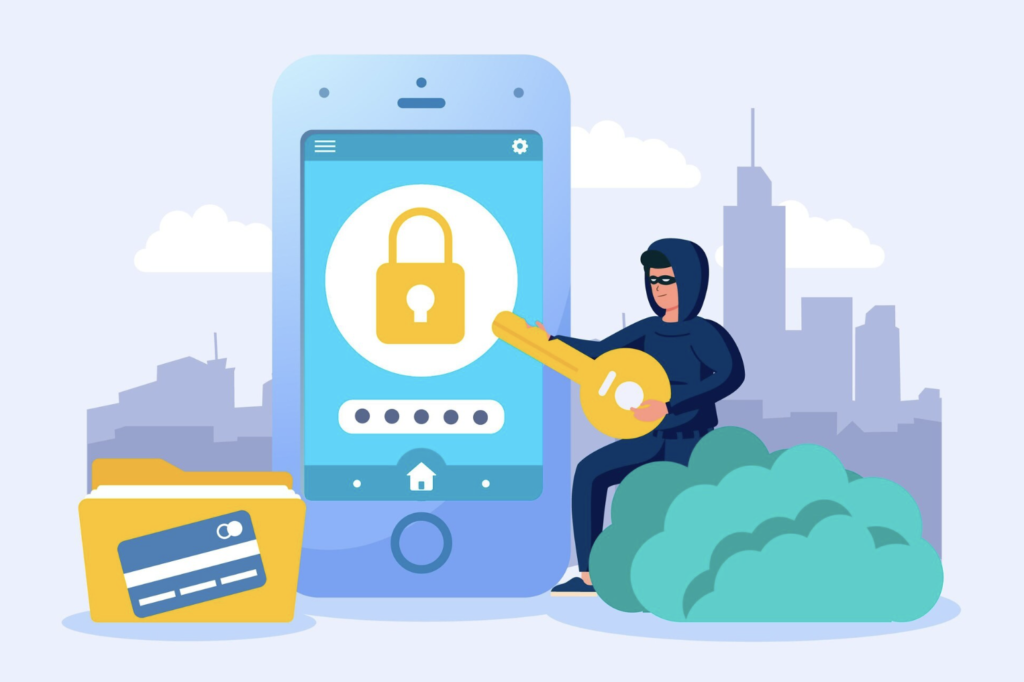
Crypto security is not optional. It is one of the most important responsibilities every investor must take seriously. Unlike traditional banking systems, crypto transactions cannot usually be reversed. If your wallet gets hacked or you accidentally send funds to the wrong address, your money may be gone forever.
Recent security reports show that phishing attacks and wallet exploits remain among the biggest threats facing crypto users. Many beginners underestimate how aggressive scammers have become. Fake websites, fake apps, fake customer support accounts, and malicious smart contracts are everywhere. Some scams are so convincing that even experienced users occasionally fall victim.
Hot Wallets vs Cold Wallets
Hot wallets stay connected to the internet and offer convenience for daily trading, while cold wallets store assets offline for greater security. Beginners often leave all their crypto on exchanges because it feels easier, but this increases risk. Exchanges can be hacked, frozen, or targeted by cybercriminals.
| Wallet Type | Advantages | Risks |
| Hot Wallet | Fast access and convenience | Higher hacking risk |
| Cold Wallet | Better long-term protection | Less convenient |
| Exchange Wallet | Easy trading access | Exchange security dependence |
Why Seed Phrases Must Stay Offline
Your seed phrase is essentially the master key to your crypto holdings. Anyone with access to it can control your wallet completely. Beginners sometimes store seed phrases in screenshots, cloud storage, or messaging apps, which creates massive security risks.
Experts strongly recommend writing seed phrases on paper and storing them offline in secure locations. Think of your seed phrase like the keys to a giant vault. Leaving it exposed online is like taping your house keys to your front door.
Mistake #4 – Investing More Money Than You Can Afford to Lose
Crypto markets are extremely volatile. Prices can rise dramatically, but they can also collapse with shocking speed. Beginners often invest too much money because they become emotionally attached to dreams of quick wealth. This creates financial stress and leads to panic decisions during market downturns.
Safe investing begins with risk management. Money needed for rent, food, emergency savings, or bills should never be placed into speculative assets like cryptocurrency. Smart investors only use disposable income they can afford to lose without damaging their financial stability.
Volatility remains one of the defining characteristics of crypto markets. Even strong cryptocurrencies experience massive price swings regularly. Reports discussing beginner risks in 2026 continue warning against excessive leverage and emotional investing. Leveraged trading may look exciting, but it can liquidate an entire portfolio within minutes during sudden market drops.
Investing responsibly creates emotional stability. When investors risk too much money, fear controls every decision. Small market declines feel catastrophic, and patience disappears. Treating crypto as part of a balanced financial strategy—not as a desperate lottery ticket—creates healthier long-term investing habits.
Mistake #5 – Chasing Meme Coins and Pump-and-Dump Schemes
Meme coins attract beginners because they look fun, cheap, and capable of producing overnight riches. Stories about people turning a few hundred dollars into millions create powerful emotional temptation. What beginners often fail to see is that countless others lose money quietly after buying into hype too late.
Pump-and-dump schemes operate like financial traps. Organizers aggressively promote a token online, pushing prices upward as new buyers rush in. Once enough hype builds, insiders sell their holdings, causing the price to collapse instantly. Beginners who buy near the top often experience devastating losses.
Academic studies examining decentralized exchanges found that scam tokens and rug pulls remain widespread across crypto ecosystems. Some projects are designed from the start to steal investor funds. Developers may lock investor money, disable selling functions, or disappear entirely once enough capital enters the project.
Not every meme coin is automatically fraudulent, but beginners should approach them carefully. If a project lacks transparency, real utility, active development, or credible leadership, caution is essential. Investing based solely on internet memes is like building a house on sand—it may look exciting initially, but it rarely survives long-term pressure.
Mistake #6 – Using Unsafe or Unknown Exchanges
Choosing the wrong exchange can destroy an investor’s confidence and finances. Some beginners sign up for random exchanges simply because they promise lower fees or higher leverage. This shortcut can become extremely dangerous.
Crypto exchange hacks remain a major problem globally. Reports in 2026 continue documenting major exchange attacks involving hundreds of millions of dollars in losses. Beginners often underestimate how important exchange reputation, regulation, and security infrastructure really are.
Features of a Trustworthy Crypto Exchange
Reliable exchanges usually share several important characteristics:
- Strong security systems and two-factor authentication
- Transparent company leadership
- Regulatory compliance where applicable
- Cold storage protection
- Insurance or reserve policies
- Strong customer support
- Positive long-term reputation
Beginners should research exchanges carefully before depositing funds. Community discussions often highlight the importance of balancing convenience with self-custody and security awareness.
Using an unknown exchange because it promises “guaranteed bonuses” or “secret investment opportunities” is risky. In crypto, trust must be earned through transparency and reputation—not flashy advertising.
Mistake #7 – Neglecting Diversification
Putting all your money into one cryptocurrency is like betting your entire future on a single horse race. Even strong projects can experience sudden setbacks due to regulations, hacks, leadership problems, or market shifts.
Diversification helps reduce overall risk by spreading investments across different types of assets. Some investors allocate funds among Bitcoin, Ethereum, stablecoins, and carefully researched altcoins. Others combine crypto with traditional investments such as stocks or real estate to create more balanced portfolios.
Many beginners become emotionally attached to one project and ignore warning signs because they want to believe the coin will “go to the moon.” Emotional attachment can cloud rational judgment. Smart investors understand that no asset is guaranteed to succeed forever.
Diversification does not eliminate risk completely, but it creates protection against catastrophic losses. Imagine carrying eggs in multiple baskets instead of balancing everything in one fragile container. If one basket falls, you still preserve part of your investment.
Mistake #8 – Panic Selling During Market Volatility
Crypto volatility tests emotional discipline more than almost any other investment market. Beginners often panic during price crashes because they focus only on short-term losses. Fear spreads rapidly online during downturns, causing many investors to sell at the worst possible moments.
Market psychology plays a huge role in crypto investing. During bull markets, greed dominates decision-making. During crashes, fear takes over. Experienced investors understand that volatility is part of the crypto landscape. Prices can swing dramatically within hours due to news, regulations, macroeconomic changes, or social media trends.
Panic selling often turns temporary losses into permanent losses. Investors who sell emotionally during downturns frequently regret their decisions later when markets recover. At the same time, blindly holding every investment forever is not wise either. The key is developing a strategy before emotions become overwhelming.
Long-term investing requires patience and perspective. Successful investors usually focus on fundamentals rather than daily price movements. They understand that crypto markets behave like storms at sea—chaotic in the short term but often calmer over longer periods.
Mistake #9 – Forgetting About Taxes and Regulations
Many beginners assume crypto operates completely outside government oversight. That belief is dangerous. Around the world, tax authorities and regulators continue increasing attention on cryptocurrency transactions, trading profits, and digital asset reporting.
Crypto regulations differ from country to country, but ignoring legal responsibilities can create serious consequences. Some investors fail to track transactions properly, only to face complicated tax issues later. Others unknowingly violate local laws regarding reporting requirements or exchange usage.
The regulatory environment surrounding cryptocurrency continues evolving rapidly as adoption grows worldwide. Governments increasingly view crypto as a legitimate financial sector rather than a temporary internet trend. That means legal compliance matters more than ever for investors.
Beginners should keep detailed transaction records, understand local tax obligations, and stay informed about regulatory developments in their region. Treating crypto profits casually can become expensive later. Responsible investing includes legal awareness alongside financial strategy.
Investors who want to understand evolving cryptocurrency tax regulations and reporting standards can visit the IRS digital assets information page.
Mistake #10 – Trusting “Guaranteed Profit” Promises

If someone promises guaranteed crypto profits, that is usually the biggest warning sign possible. Cryptocurrency markets are unpredictable by nature. Nobody can guarantee fixed returns consistently, especially in volatile environments.
Scammers use emotional manipulation to target beginners constantly. Fake trading bots, fake investment groups, fake recovery services, and fake mentorship programs continue flooding the crypto world. Reports show that AI-powered scams and phishing attacks are becoming increasingly advanced.
Some scams operate through dating apps, Telegram groups, or fake customer support channels. Others convince victims to deposit funds into fraudulent platforms that disappear overnight. Victims often lose money because scammers create urgency and emotional pressure.
A useful rule is simple: if something sounds too good to be true, it probably is. Legitimate investing involves risk, patience, and uncertainty. Anyone promising “risk-free profits” is usually selling fantasy rather than reality.
Conclusion
Cryptocurrency offers exciting opportunities, but safe investing requires discipline, patience, and education. Beginners who rush into the market without understanding risks often learn expensive lessons quickly. The good news is that most major mistakes are avoidable with the right mindset and preparation.
Understanding projects before investing, avoiding social media hype, protecting wallets carefully, and managing risk responsibly can dramatically improve long-term outcomes. Crypto investing is not about chasing instant riches. It is about making informed decisions while protecting your capital from unnecessary danger.
The crypto market will likely continue evolving rapidly in the coming years as adoption expands globally. Investors who focus on security, research, diversification, and emotional control will always have a stronger foundation than those driven purely by hype and greed.
In many ways, crypto investing resembles exploring a new digital frontier. There is opportunity everywhere, but there are also hidden traps waiting for careless travelers. The smartest beginners are not necessarily the ones making the fastest profits. They are the ones still standing years later with their investments, knowledge, and confidence intact.
FAQs
1. Is cryptocurrency safe for beginners?
Cryptocurrency can be safe for beginners if they use trusted exchanges, secure wallets properly, avoid scams, and invest responsibly. Staying informed and aware of common security threats is one of the most effective ways to reduce the risk of falling victim to scams and cyberattacks.
2. What is the safest cryptocurrency for beginners?
Many beginners start with established cryptocurrencies like Bitcoin and Ethereum because they have stronger adoption, larger communities, and longer track records compared to smaller altcoins.
3. How much money should a beginner invest in crypto?
Beginners should only invest money they can afford to lose comfortably. Starting small while learning the market is usually the safest approach.
4. Are crypto scams still common in 2026?
Yes. Reports show phishing attacks, fake exchanges, AI-powered scams, and social engineering attacks remain major threats in 2026.
5. Should beginners keep crypto on exchanges?
Keeping small trading amounts on exchanges may be convenient, but long-term holdings are generally safer in personal wallets, especially cold wallets with offline seed phrase storage.