What Is a Crypto Wallet? How It Works and How to Choose One
Cryptocurrency has evolved far beyond a niche investment. In 2026, millions of people use digital assets for investing, trading, online payments, decentralized finance (DeFi), NFTs, and cross-border transactions. However, before you can buy, store, send, or receive cryptocurrency, you need one essential tool: a crypto wallet.
If you’re new to crypto, the term “wallet” can be confusing. Many people assume a crypto wallet actually stores digital coins. In reality, the process is more technical than that.
Understanding how crypto wallets work is one of the most important steps toward protecting your digital assets and avoiding costly mistakes. This guide explains everything you need to know about crypto wallets, including how they work, the different types available, their advantages and risks, and how to choose the right wallet for your needs.
What Is a Crypto Wallet?
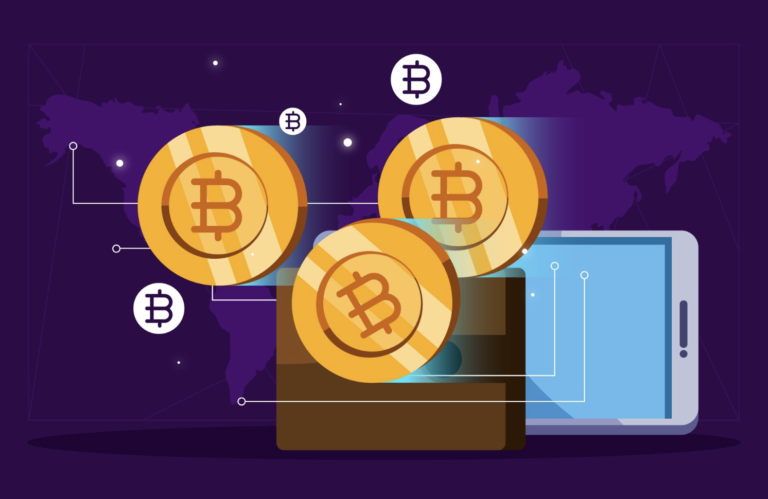
A crypto wallet is a digital tool that allows you to access, manage, send, and receive cryptocurrencies.
Unlike a traditional wallet that holds physical cash, a crypto wallet does not actually store cryptocurrency. Instead, it stores the private keys and public keys that give you access to your digital assets on the blockchain.
Think of the blockchain as a massive digital ledger that records ownership of cryptocurrencies. Your wallet acts as the key that proves you own and control specific assets recorded on that ledger.
Without a wallet, you cannot interact with your cryptocurrency holdings.
How Does a Crypto Wallet Work?
To understand how a crypto wallet works, it’s important to understand the role of cryptographic keys.
Public Key
A public key is similar to a bank account number.
You can safely share it with others when you want to receive cryptocurrency.
The public key generates your wallet address, which is used for incoming transactions.
Private Key
A private key is like the password to your bank account.
It proves ownership of your cryptocurrency and authorizes transactions.
Anyone who gains access to your private key can potentially control your funds.
For this reason, protecting your private key is one of the most important responsibilities in cryptocurrency ownership.
Wallet Addresses
Wallet addresses are shortened versions of public keys.
When someone sends cryptocurrency to you, they use your wallet address.
The blockchain then records the transaction and updates ownership records accordingly.
What Happens When You Send Cryptocurrency?
Many beginners wonder what occurs behind the scenes when a crypto transaction takes place.
Here’s a simplified explanation:
Step 1: Initiate the Transaction
You enter the recipient’s wallet address and specify the amount to send.
Step 2: Digital Signature
Your digital wallet relies on your secret private key to generate a secure digital signature.
This signature proves that you are authorized to spend the funds.
Step 3: Broadcast to the Network
The transaction is sent to the blockchain network for verification.
Step 4: Verification
Network participants validate the transaction according to the blockchain’s rules.
Step 5: Confirmation
Once approved, the transaction becomes a permanent part of the blockchain record.
The recipient’s wallet balance updates accordingly.
This entire process often takes only a few minutes, depending on the blockchain being used.
Types of Crypto Wallets
Crypto wallets generally fall into two major categories: hot wallets and cold wallets.
Each serves different purposes and offers varying levels of convenience and security.
Hot Wallets
Hot wallets remain connected to the internet.
Because they are online, they provide easy access to cryptocurrency holdings.
Examples include:
- Mobile wallets
- Desktop wallets
- Browser wallets
- Exchange wallets
Advantages of Hot Wallets
- Quick access to funds
- Convenient transactions
- User-friendly interfaces
- Ideal for frequent trading
Disadvantages of Hot Wallets
- Higher security risks
- Vulnerable to hacking attempts
- Greater exposure to malware
Cold Wallets
Cold wallets remain offline and are considered one of the safest storage methods available.
Because these wallets are offline and not connected to the internet, hackers have very limited chances to target them.
Examples include:
- Hardware wallets
- Paper wallets
- Offline storage devices
Advantages of Cold Wallets
- Superior security
- Reduced hacking risk
- Better protection for long-term holdings
Disadvantages of Cold Wallets
- Less convenient
- Additional setup required
- Potential loss if backups are not maintained
Different Types of Crypto Wallets Explained
Mobile Wallets
Mobile wallets are smartphone applications that allow you to manage cryptocurrency on the go.
They are popular because of their convenience and accessibility.
Best for:
- Everyday transactions
- Beginners
- Quick payments
Desktop Wallets
Desktop wallets are installed directly on your computer.
They often provide more features and control compared to mobile wallets.
Best for:
- Regular users
- Traders
- Advanced cryptocurrency users
Web Wallets
Web wallets operate through internet browsers.
Many cryptocurrency exchanges provide built-in web wallets for users.
Best for:
- Fast access
- Casual users
However, web wallets generally require trusting a third-party provider.
Hardware Wallets
Hardware wallets are physical devices specifically designed to secure cryptocurrency.
They store private keys offline and only connect to a computer when needed.
Best for:
- Long-term investors
- Large cryptocurrency holdings
- Maximum security
Paper Wallets
Paper wallets involve printing wallet information and private keys on paper.
While once popular, they are used less frequently today because modern hardware wallets offer greater convenience and security.
Why Crypto Wallet Security Matters
The cryptocurrency industry has grown tremendously, but it has also attracted cybercriminals.
Unlike traditional banking systems, blockchain transactions are generally irreversible.
If your funds are stolen, recovering them can be extremely difficult.
That’s why wallet security should always be a top priority.
Common Security Threats
Phishing Attacks
Fake websites and emails attempt to trick users into revealing wallet credentials.
Malware
Malicious software can monitor your device and steal sensitive information.
Exchange Breaches
Keeping funds exclusively on exchanges can expose you to risks if the exchange experiences a security incident.
Lost Recovery Phrases
Many users lose access to funds simply because they fail to securely store recovery information.
What Is a Seed Phrase?
A seed phrase, also called a recovery phrase, is a series of words generated when you create a wallet.
This phrase acts as a backup that can restore access to your wallet if your device is lost, stolen, or damaged.
A typical seed phrase may contain:
- 12 words
- 18 words
- 24 words
Protecting your seed phrase is absolutely critical.
Best Practices for Seed Phrase Storage
- Write it down on paper
- Store it in a secure location
- Never share it with anyone
- Avoid storing screenshots online
- Create multiple secure backups
Anyone with access to your seed phrase may be able to access your funds.
How to Choose the Right Crypto Wallet
Choosing the best crypto wallet depends on your goals, experience level, and security requirements.
Consider Security Features
Look for wallets that offer:
- Two-factor authentication
- Encryption
- Biometric login
- Backup options
- Multi-signature support
Evaluate Ease of Use
A good crypto wallet needs to prioritize safety while remaining easy for users to access and manage.
Beginners often benefit from intuitive interfaces and simple setup processes.
Check Cryptocurrency Support
Not all wallets support every cryptocurrency.
Verify that your preferred assets are compatible before choosing a wallet.
Research Reputation
Established wallet providers with strong security histories generally offer greater reliability.
Before choosing a wallet, it’s wise to check out user reviews and feedback from the community.
Determine Your Usage Pattern
Ask yourself:
- Will you trade frequently?
- Are you investing long-term?
- Do you need mobile access?
- How much cryptocurrency will you store?
Your answers will help determine whether a hot wallet, cold wallet, or combination of both is most appropriate.
Common Mistakes New Crypto Users Make
Many beginners unknowingly put their assets at risk.
Keeping Large Holdings on Exchanges
Exchanges are convenient but should not always be your primary storage solution.
Ignoring Security Updates
Regular software updates help protect against newly discovered vulnerabilities.
Sharing Recovery Phrases
Reputable platforms will never request your seed phrase, protect it at all costs.
Using Weak Passwords
Strong, unique passwords add another layer of protection.
Failing to Create Backups
Without proper backups, device failure could result in permanent loss of access.
The Future of Crypto Wallets in 2026 and Beyond
Crypto wallets continue to evolve alongside blockchain technology.
Several emerging trends are shaping the future.
Smart Wallet Technology
Modern wallets increasingly automate security features and transaction management.
Biometric Authentication
Fingerprint and facial recognition are becoming more common.
Multi-Chain Support
Wallets now support a growing number of blockchains within a single application.
Improved User Experience
Developers are making wallets easier for newcomers to understand and use.
Enhanced Security Standards
New encryption methods and authentication systems continue to improve wallet protection.
As more people start using cryptocurrencies, wallet systems are expected to improve, offering stronger security while being easier to use.
Final Thoughts
Your crypto wallet is the core tool that proves you own your digital currencies.Hardware wallets are generally considered the safest option because they keep private keys offline. It allows you to access, manage, send, and receive digital assets while maintaining control over your private keys.
Understanding how crypto wallets work is essential for protecting your investments and participating safely in the growing digital economy. Whether you choose a mobile wallet for convenience, a desktop wallet for flexibility, or a hardware wallet for maximum security, selecting the right solution depends on your specific needs.
The most important lesson is simple: security should never be an afterthought. By protecting your private keys, safeguarding your recovery phrase, and following best practices, you can significantly reduce risks and enjoy a safer cryptocurrency experience in 2026 and beyond.
Frequently Asked Questions
1. What is the primary function of a cryptocurrency wallet?
A crypto wallet allows you to manage cryptocurrency by storing the private keys needed to access and control digital assets on the blockchain.
2. Do crypto wallets actually store cryptocurrency?
No. Cryptocurrencies remain on the blockchain. Wallets store the keys that provide access to those assets.
3. Which type of crypto wallet is the safest?
Physical wallets, or hardware wallets, are seen as the most secure choice since they store your private keys away from internet threats.
4. Can I have more than one crypto wallet?
Yes. Many users maintain multiple wallets for different purposes, such as trading, spending, and long-term storage.
5. What are the consequences if I misplace or forget my crypto wallet?
If you have your recovery phrase or backup information, you can usually restore access to your wallet and funds.
6. Is a crypto wallet necessary to buy cryptocurrency?
In most cases, yes. Even when purchasing crypto through an exchange, having a personal wallet provides greater control and security over your assets.