
Creating a High-Converting Website: Strategies to Turn Visitors Into Customers and Boost Sales
Building a website is easier than ever, but creating one that consistently converts visitors into paying customers requires a strategic approach. Every element, from the homepage layout to the call-to-action buttons, plays a crucial role in influencing buying decisions. A customer-focused website not only attracts traffic but also builds trust, answers questions, and guides users toward taking action. By combining engaging content, responsive design, fast loading speeds, and persuasive messaging, businesses can transform their websites into powerful sales tools that generate leads and increase revenue around the clock.
From my experience, I’ve seen firsthand how a well-crafted website can truly boost a business’s success. It’s not just about looking good; it’s about including key elements like clear calls to action, easy navigation, and engaging content that guide visitors to take action. Focusing on fast loading speeds, mobile friendliness, and building trust can transform a simple site into a powerful tool that consistently brings in leads and increases sales.
In this article, you will learn how a well-designed website, focusing on clear calls to action, intuitive navigation, and user-centric features, can turn a simple online presence into a reliable engine for leads and revenue.
Create a High-Converting Website That Drives More Sales
A website should do more than attract visitors. It should guide them toward becoming paying customers. Every page, button, and message should encourage action. Therefore, a smart design combined with persuasive content creates better results.
Businesses that focus on user experience and conversion optimization generate more leads and increase revenue. Moreover, a well-planned website builds trust and strengthens brand credibility.
Build a Strong First Impression
Visitors decide within seconds on whether to stay or leave. Therefore, your homepage must capture attention immediately.
Use a clean design with a compelling headline. Add a clear value proposition that explains your business quickly. Furthermore, include professional images that support your message instead of distracting users.
An organized layout also improves navigation and keeps visitors engaged longer.
Focus on Simple and User-Friendly Navigation
Confusing menus reduce conversions. Instead, create a navigation system that helps users find information effortlessly.
Keep menu items short and logical. Additionally, place important pages where visitors can access them quickly.
Simple navigation reduces frustration and increases the chances of completing a purchase.
Write Persuasive Content That Solves Problems
Website copy should focus on customer needs instead of business achievements.
Highlight benefits rather than features. Moreover, explain how your products or services improve daily life.
Use short paragraphs and direct language to maintain interest. As a result, visitors understand your offer faster and make confident decisions.
Use Powerful Calls to Action
Every page should encourage visitors to take the next step.
Buttons like “Get Started,” “Request a Quote,” or “Buy Now” work well when placed strategically. Furthermore, use action-oriented language that creates urgency.
Keep calls to action visible throughout the website for maximum effectiveness.
Build Trust with Social Proof
People trust recommendations from other customers.
Display testimonials, reviews, and success stories on important pages. Additionally, showcase client logos, awards, or certifications whenever possible.
Trust signals reduce hesitation and increase conversion rates significantly.
Optimize Website Speed
Slow websites lose customers every day.
Compress images, remove unnecessary scripts, and use fast hosting services. Consequently, pages load faster and improve user satisfaction.
Search engines also reward faster websites with better rankings, creating additional traffic opportunities.
Make Your Website Mobile-Friendly
Most visitors browse websites using smartphones.
Responsive design ensures every page looks perfect across different screen sizes. Furthermore, mobile optimization improves navigation and purchasing experiences.
A mobile-friendly website keeps users engaged and increases completed sales.
Improve SEO for More Qualified Traffic
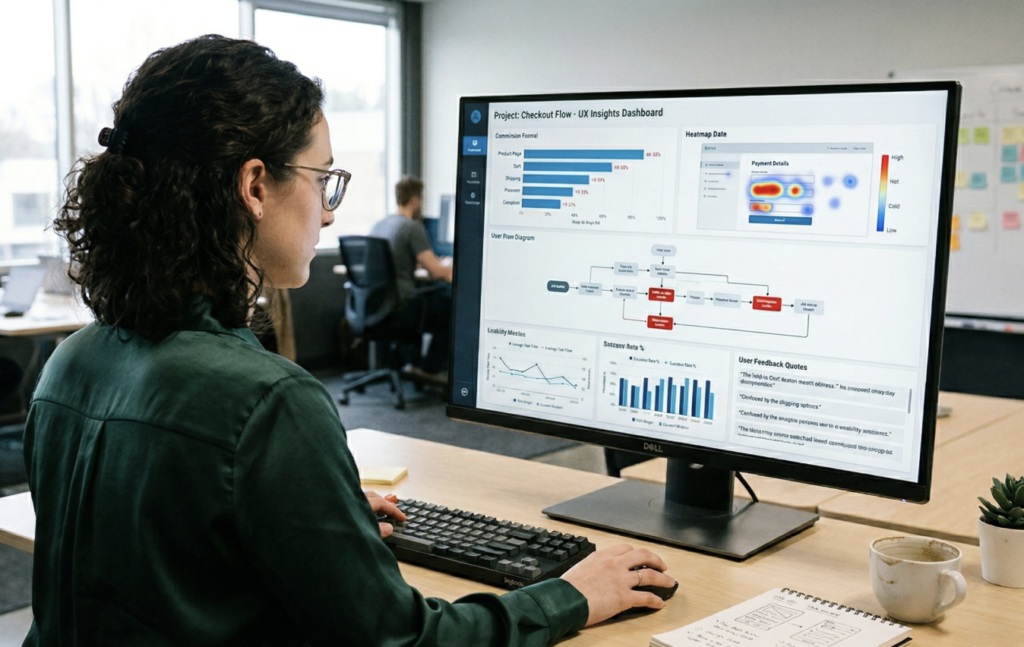
Search engine optimization attracts visitors who actively search for your products or services.
Use relevant keywords naturally throughout titles, headings, and content. Additionally, optimize meta descriptions and image alt text for better visibility.
Internal linking also helps search engines understand your website structure while guiding users toward valuable pages.
Simplify the Buying Process
A complicated checkout process discourages customers.
Reduce unnecessary steps and request only essential information. Moreover, offer multiple payment options for convenience.
Simple purchasing experiences encourage repeat business and improve customer satisfaction.
Capture Leads Before Visitors Leave
Not every visitor buys immediately. However, many are willing to provide contact information.
Offer free guides, discounts, or exclusive content in exchange for email addresses. Consequently, you can nurture leads through email marketing until they become customers.
Lead generation strategies increase long-term revenue without increasing advertising costs.
Use High-Quality Visuals
Professional images create a positive impression and strengthen credibility.
Show products from multiple angles and include authentic lifestyle photos whenever possible. Additionally, use videos to explain complex services or demonstrate product benefits.
Quality visuals improve engagement and help customers make purchasing decisions faster.
Monitor Performance and Improve Continuously
Successful websites evolve over time.
Track visitor behavior using analytics tools. Furthermore, analyze bounce rates, conversion rates, and user journeys to identify weaknesses.
Consistently evaluating and refining website elements enhances effectiveness and boosts sales gradually.
If you want to improve your conversion rate even further, read our The Ultimate Guide to Using Convert Website Visitors with Garage2Global for proven strategies and practical tips.
Conclusion
A website becomes a powerful sales machine when every element supports conversion. Clear messaging, simple navigation, persuasive content, and trust-building features work together to increase revenue. Moreover, continuous optimization ensures long-term growth and better customer experiences. Businesses that prioritize user needs consistently turn more visitors into loyal paying customers while achieving sustainable online success.
For additional guidance on improving website usability and user experience, visit the Nielsen Norman Group.
Frequently Asked Questions (FAQs)
1. What makes a website successful at converting visitors into paying customers?
A successful conversion-focused website combines attractive design, valuable content, fast loading speed, mobile responsiveness, trust signals, and clear calls to action. These elements work together to create a seamless user experience that encourages visitors to make a purchase or contact the business.
2. Why is website speed important for increasing sales and conversions?
Faster websites provide better user satisfaction and are favored by search engines, improving visibility. Slow-loading pages frustrate visitors and increase bounce rates, while faster websites keep users engaged, improve credibility, and significantly boost conversion rates and customer satisfaction.
3. How can I improve my website’s call-to-action buttons for better results?
Use action-oriented language such as “Get Started Today,” “Request a Free Quote,” or “Buy Now.” Place buttons in visible locations, use contrasting colors, and ensure they clearly communicate the value visitors will receive after clicking.
4. Does mobile optimization really affect website conversions?
Yes. Since a large percentage of users browse and shop using smartphones, a mobile-friendly website provides a better experience, reduces frustration, and increases the likelihood of visitors completing purchases or submitting inquiries.
5. What role does SEO play in turning website visitors into customers?
SEO brings highly targeted visitors who are already searching for your products or services. When combined with persuasive content and effective conversion strategies, SEO helps attract qualified traffic that is more likely to become paying customers.
6. How important are customer reviews and testimonials on a business website?
Customer reviews build trust and reduce uncertainty for potential buyers. Positive testimonials provide social proof, demonstrate credibility, and reassure visitors that others have had successful experiences with your business.
7. Should every page on my website include a call to action?
Yes. Every important page should guide visitors toward the next logical step, whether that is making a purchase, requesting information, scheduling a consultation, or subscribing to a newsletter. Clear calls to action improve engagement and conversion rates.
8. How can lead generation forms help increase website revenue?
Lead generation forms collect visitor information before they leave your website. Businesses can then nurture these prospects through email marketing and follow-up campaigns, increasing the chances of converting them into long-term paying customers.
9. How often should I update and optimize my website for better performance?
Regular updates are essential for maintaining security, improving user experience, and adapting to changing customer behavior. Reviewing analytics, testing landing pages, updating content, and refining conversion strategies every few months can lead to continuous growth and higher sales.