How Emergency Management Software Prevents Risks Inside Digital Fortresses
Imagine a hidden fortress holding the entirety of human digital knowledge suddenly plunging into absolute darkness. Every single second that massive facility remains offline translates to millions of dollars evaporating into thin air.
Modern society blindly relies on these sprawling data centers to keep global commerce and communications functioning. An alarming number of unseen dangers constantly surround these massive tech systems, looking for any vulnerability to exploit. Old security methods are no longer effective against the vast and unpredictable nature of today’s digital chaos.
A revolutionary digital shield known as emergency management software is currently rewriting the survival playbook. In my view, emergency management software is no longer optional for modern data centers. It helps organizations respond to threats faster, reduce downtime, and maintain business continuity.
In this article, we’ll explore how this technology prevents risks and strengthens the resilience of digital infrastructure.
Relentless Environmental Forces Targeting Critical Hardware
Data centers require incredibly precise atmospheric conditions to prevent their internal components from literally melting down. Even the slightest unexpected fluctuation in temperature can permanently destroy thousands of dollars worth of sensitive microchips.
Severe weather events like hurricanes and floods are happening with alarming frequency across the globe. These violent natural disasters threaten to obliterate physical infrastructure without a moment of warning. Climate change has effectively turned environmental stability into an absolute illusion for facility managers. Operators must deploy intelligent monitoring systems that can predict and counter these atmospheric assaults immediately.
The Devastating Chain Reaction Of Power Loss
A continuous and perfectly clean supply of electricity serves as the absolute lifeblood of any server operation. If the main power suddenly goes out, it often starts a chain reaction of additional crises that can be devastating. Backup generators might sputter and fail leaving the entire facility entirely at the mercy of the elements.
Without electricity the massive cooling systems instantly halt and internal server temperatures begin skyrocketing. Within minutes the resulting thermal overload can cause irreversible physical damage to the core hardware. Restoring electrical power becomes a frantic race against permanent infrastructural destruction.
Hidden Dangers Lurking In Human Errors
Despite all the advanced automation the human element still represents one of the most dangerous vulnerabilities. Just one wrongly set network option or a dropped cable can cause an entire server rack to go down instantly. These seemingly insignificant mistakes frequently spiral out of control when panicked staff lack clear communication protocols.
Aging mechanical equipment also presents a ticking time bomb of unexpected operational failures. Legacy hardware often malfunctions without any prior warning signs leaving administrators completely blindsided. Establishing strict procedural guidelines is the only way to prevent human error from causing massive outages.
Relentless Cyber Assaults On Digital Fortresses
Because data centers house incredibly valuable digital assets they remain the ultimate prize for sophisticated criminal syndicates. Malicious hackers continuously probe external defenses looking for a microscopic vulnerability to exploit. Ransomware attacks have evolved into highly organized operations capable of locking down entire facility networks.
Phishing campaigns trick unsuspecting employees into handing over the literal keys to the kingdom. Once inside the network these attackers can silently exfiltrate sensitive data or destroy critical backups. Defending against these relentless digital sieges requires an entirely new approach to threat detection.
Defining The Ultimate Crisis Command Platform
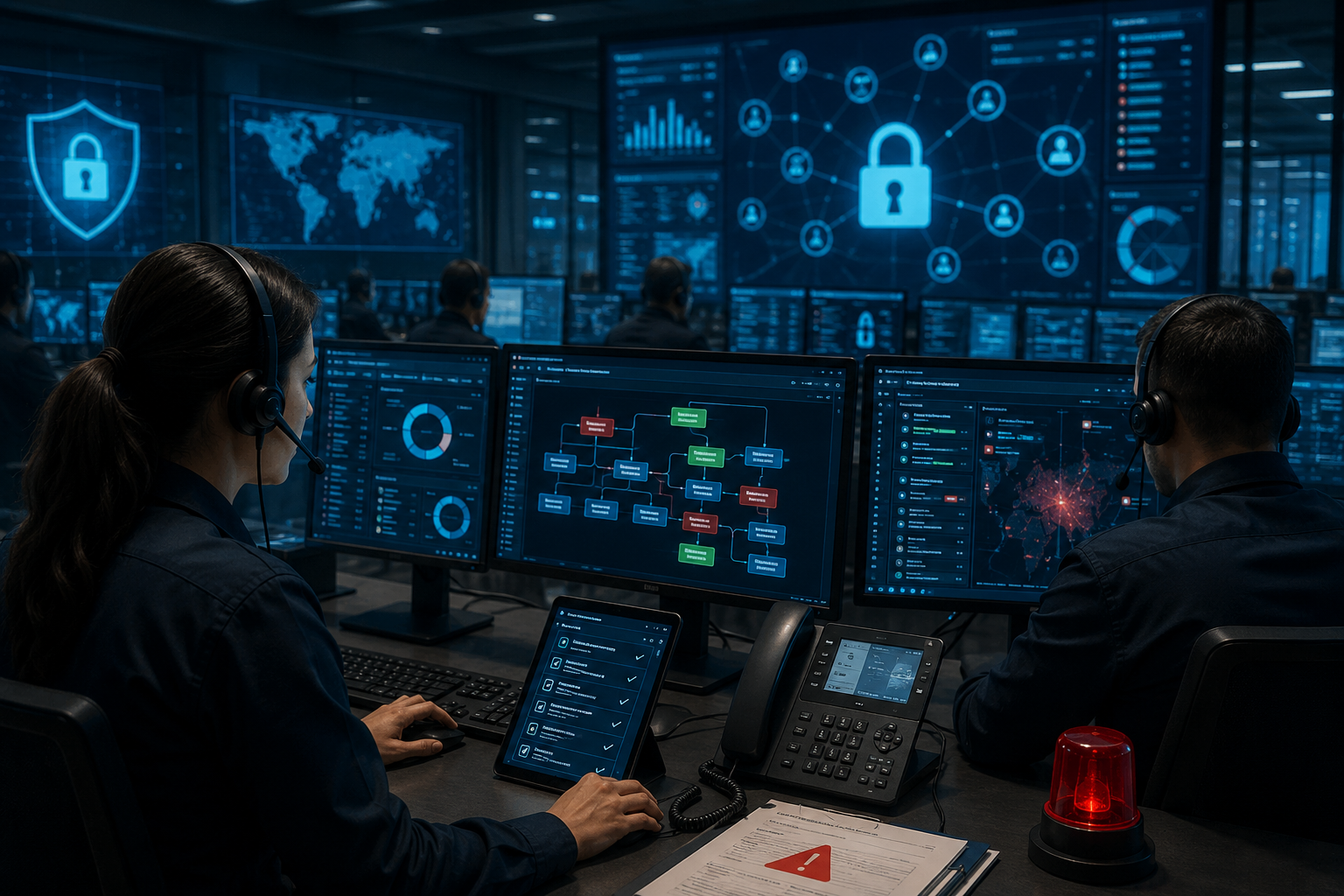
Emergency management software functions as the centralized nervous system during a massive facility crisis. It replaces the disorderly mess of phone calls and scattered emails with a single, streamlined control system. This powerful platform actively coordinates every critical response activity from the exact moment a threat is detected.
Operators gain access to integrated alert systems and precise incident tracking tools within a single dashboard. Instead of guessing at the situation leaders receive verified data to make instantaneous life saving decisions. This technological leap transforms absolute chaos into a highly structured and manageable operational process.
Connecting Disparate Systems For Total Awareness
Modern crisis platforms achieve their true power by directly interfacing with existing facility infrastructure. The system quietly collects ongoing data from sensors that monitor the environment and electrical systems. This close integration helps the software spot unusual issues right away, including problems that human operators might overlook.
Instead of waiting for a catastrophic failure the system identifies subtle warning signs hours in advance. Automated triggers immediately launch predefined containment procedures to isolate the emerging threat. This constant real time connectivity fundamentally shifts the paradigm from reactive panic to proactive defense.
Slashing Response Times With Instant Notifications
During a critical infrastructure emergency every single wasted second drastically compounds the ultimate financial damage. Manual notification processes are notoriously slow and prone to dangerous human communication errors. Emergency management software completely eliminates this delay by instantly broadcasting automated alerts across multiple channels. Predefined contact lists ensure that the exact right engineers receive the exact right information immediately.
Messages blast out simultaneously through text messages voice calls and dedicated mobile applications. This instantaneous communication web guarantees that response teams are mobilized before the situation deteriorates.
Unifying Fractured Teams Under One Digital Roof
Major data center crises never manifest as isolated problems but rather as complex overlapping disasters. A sudden power loss might simultaneously cripple cooling networks security cameras and primary internet connectivity.
To resolve these overlapping challenges, teams across different departments must work closely together. The crisis platform creates a unified virtual environment where IT staff and facility engineers can coordinate perfectly. Everyone looks at the exact same data and works from the exact same operational playbook. This shared visibility destroys the departmental silos that traditionally cripple complex disaster recovery efforts.
Gaining God Like Visibility Over Infrastructure
Total situational awareness is completely impossible when critical data is scattered across dozens of disconnected monitoring tools. Emergency management tools gather all data sources into one central dashboard, making decision-making much easier.
Decision makers can instantly view the status of power supplies cooling units and physical security systems simultaneously. This comprehensive overview allows leaders to accurately allocate limited resources to the most critical failing systems. Real time progress tracking ensures that every applied fix is actually resolving the underlying issue.
Operators maintain absolute control over the crisis because they finally have access to the complete picture.
Turning Dusty Playbooks Into Automated Actions
Most organizations possess massive disaster recovery documents that sit completely ignored until a disaster actually strikes. Trying to read a hundred page manual during a chaotic emergency is a completely futile and dangerous exercise. Emergency management software digitizes these static documents and transforms them into dynamic actionable workflows.
When a specific threat is detected the system automatically launches the corresponding step by step response plan. Staff members receive clear digital instructions telling them exactly what to do and when to do it. This automation removes human hesitation and ensures perfect execution of the recovery strategy.
Eradicating Downtime To Protect Revenue Streams
Unplanned operational downtime inflicts devastating financial wounds that can permanently cripple a technology company. The primary objective of any crisis response strategy is to restore critical services as fast as humanly possible. By automating the recovery workflow the software completely eliminates the delays inherent in manual decision making.
Preprogrammed scripts can automatically reroute network traffic or spin up backup servers without human intervention. This blazing fast recovery speed dramatically limits the window of financial exposure for the business. Companies can effectively shield their revenue streams from the devastating effects of unexpected outages.
Building Bulletproof Audit Trails For Regulators
Regulatory bodies have instituted incredibly strict compliance standards for organizations managing sensitive digital infrastructure. Failing to properly document an incident response can result in massive financial penalties and loss of operating licenses. Crisis management platforms automatically record every single action taken during the emergency with perfect accuracy.
System logs record the exact times alerts were triggered and identify who responded to these potential threats. These detailed audit trails provide indisputable evidence of organizational diligence during formal compliance reviews. Regulators can clearly see that the facility followed all required safety and reporting protocols perfectly.
Shielding The Corporation From Legal Ruin
In the aftermath of a major data center failure angry clients often launch aggressive lawsuits seeking damages. Without concrete proof of proper response procedures the organization becomes incredibly vulnerable to massive legal liability. The detailed records created by the software act as a strong legal safeguard in case of disputes. It proves beyond a doubt that the company took every reasonable precaution to protect client data.
Beyond legal protection this level of demonstrated competence heavily shields the brand reputation. Clients feel much more secure knowing their data is guarded by such rigorously documented protocols.
Hunting Down Weaknesses Before Disaster Strikes
The true value of emergency management software extends far beyond simply reacting to active disasters. Advanced risk assessment tools help uncover hidden weaknesses in the infrastructure, allowing organizations to fix potential problems before they become serious issues.
Administrators can simulate various catastrophic scenarios to see exactly how the facility would hold up. Predictive analytics evaluate these simulated threats and highlight critical gaps in the current defense strategy. This proactive approach allows businesses to reinforce their weaknesses before a real crisis exposes them. Organizations effectively harden their defenses by transforming theoretical risks into actionable maintenance tasks.
Forging Unbreakable Resilience Through Data Analysis
Every single crisis that a facility survives contains incredibly valuable lessons about operational weaknesses. The system keeps a detailed record of the response process, making it easier to evaluate performance and identify areas for improvement. Analysts can scrutinize communication delays and pinpoint exactly which teams struggled under pressure. This detailed post incident analysis drives a continuous cycle of operational improvement and refinement.
Future response strategies become significantly more effective because they are built on hard empirical data. The organization slowly evolves into an incredibly resilient entity capable of absorbing almost any shock.
Navigating The Complexities Of System Integration
Deploying a new crisis management platform into a legacy data center environment is rarely a simple plug and play process. Most facilities operate a complex network of custom monitoring systems from various vendors, making management complicated. Integrating the new software requires meticulous planning to ensure seamless data flow between all these disparate systems. Poor integration can create dangerous blind spots where critical alerts fail to reach the central command dashboard.
Implementation teams must carefully map out every single data connection to guarantee total operational visibility. When executed correctly this deep integration creates an impenetrable web of facility awareness.
Forging Human Readiness Through Rigorous Training
Purchasing the most advanced software platform in the world means absolutely nothing if the staff cannot operate it properly. Human panic is still the number one enemy of effective crisis resolution regardless of the technology involved. Organizations must commit heavily to comprehensive training programs that simulate high pressure emergency scenarios. Regular fire drills using the software ensure that employees instinctively know where to find critical information.
When a real disaster strikes these trained teams respond with calm precision instead of terrified confusion. Continuous education transforms a piece of software into a true extension of human operational capability.
Keeping Digital Playbooks Perfectly Synchronized
Today’s data centers are highly flexible spaces where hardware setups are updated almost every week. If the emergency response software is not updated to reflect these physical changes it becomes instantly obsolete. A new server rack installed in a different aisle might completely invalidate an existing evacuation or shutdown procedure.
Facility managers must establish strict protocols for updating workflows whenever infrastructure modifications occur. Digital floor plans and network topology maps must be meticulously maintained within the crisis platform. Keeping the software perfectly synchronized with physical reality ensures that response plans actually work when needed.

Artificial Intelligence Predicting The Next Catastrophe
The integration of artificial intelligence is completely revolutionizing the capabilities of emergency management platforms. AI algorithms continuously digest massive volumes of operational data to establish a baseline of normal facility behavior. When the system detects a microscopic deviation from this baseline it can predict an impending hardware failure. This predictive capability allows engineers to replace a failing component hours before it actually breaks.
AI effectively transforms the emergency platform from a reactive tool into a proactive predictive engine. Facilities leveraging this technology are experiencing unprecedented levels of operational uptime and reliability.
Merging Cyber Defenses With Physical Security
The historical division between cybersecurity teams and physical security guards is rapidly becoming a dangerous liability. Modern attacks often begin as a digital intrusion and culminate in a physical sabotage attempt. Next generation emergency platforms are erasing this boundary by combining digital threat feeds with physical camera systems.
A single unified dashboard now displays both a ransomware attack and a breached perimeter door simultaneously. This converged approach allows security leaders to coordinate a holistic defense against complex hybrid attacks. Protecting a data center requires a seamless fusion of digital and physical security postures.
Orchestrating Recovery Across Multiple Continents
Major technology corporations no longer rely on a single massive facility but rather distribute their workloads globally. A localized disaster in one geographic region must trigger an immediate redistribution of traffic to unaffected areas.
Modern crisis software provides centralized orchestration capabilities that span across multiple international data centers. A single operator can instantly shift critical processing power from a flooded facility to a safe location thousands of miles away. This multi site coordination ensures that the end user never experiences a disruption regardless of local catastrophes.
Geographic redundancy managed by intelligent software is the ultimate safeguard against regional disasters.
Securing The Digital Future Against All Odds
Data centers form the invisible beating heart of the global digital economy and must be protected at all costs. The escalating frequency of environmental and digital threats makes advanced emergency software an absolute necessity.
By automating communications and unifying response teams these platforms drastically reduce the impact of unforeseen disasters. They transform chaotic manual recovery efforts into highly structured and perfectly documented operational procedures.
Investing in this technology is no longer a luxury but a fundamental requirement for continued business survival. Facilities equipped with these intelligent shields will continue to thrive amidst an increasingly dangerous technological landscape.
Frequently Asked Questions
1. What exactly does emergency management software do for a data center?
It centralizes crisis coordination and automates response workflows to minimize operational downtime.
2. Can this software actually stop a hurricane from destroying a building?
No but it dramatically accelerates the recovery process and protects critical systems from physical damage.
3. How does the platform handle cybersecurity incidents differently than physical threats?
It triggers specific digital isolation playbooks while simultaneously alerting physical security teams to potential insider threats.
4. Is it difficult to integrate with older legacy server monitoring tools?
Integration requires careful planning but most modern platforms offer extensive application programming interfaces for legacy systems.
5. Will this technology completely replace the need for human engineers?
No because human oversight is still required to make complex strategic decisions during unprecedented catastrophic events.
6. How often must the automated response playbooks be updated?
Playbooks must be updated immediately whenever physical hardware layouts or network configurations are modified.
7. What is the primary financial benefit of installing this system?
The main benefit is drastically reducing the massive revenue losses associated with unplanned server downtime.
8. Does the software function if the primary internet connection fails?
Many advanced systems include offline capabilities that store critical response procedures locally on secure mobile devices.
9. Can small server closets utilize this technology or is it only for massive facilities?
While traditionally for enterprise facilities smaller scalable versions are now emerging for localized server environments.
10. How does artificial intelligence improve these emergency platforms?
Artificial intelligence analyzes sensor data to predict hardware failures before they actually cause a system crash.