Dojen Moe: Unveiling the Creative Power of Digital Art
In the vast world of digital subcultures, few have captured the hearts and imaginations of independent creators like Dojen Moe. A fusion of two distinct yet complementary concepts, doujin and moe, this emerging subculture is more than just a trend. It is a movement that reflects the emotional depth of modern creators, offering a fresh approach to self-expression in the realms of art, storytelling, and design.
In this article, we will explore the concept of Dojen Moe, its roots, and how it resonates with both creators and audiences, providing a glimpse into an evolving, emotionally rich creative space.
Doujin: The Power of Independent Creation
Doujin is a Japanese term that refers to self-published or fan-made works, particularly in the realms of manga, novels, art, and even video games. These works are typically created by independent artists or small groups, often outside the traditional commercial publishing landscape. Doujin offers an avenue for creators to express their personal ideas, experiment with new concepts, and engage with fan communities.
Historically, doujin works have been pivotal in shaping anime and manga culture. They often tackle niche topics or explore alternative interpretations of established franchises, giving fans a voice and an outlet to share their love for certain genres, characters, or stories. Unlike the highly commercialized mainstream works, doujin creations are typically more personal, driven by passion, and made available for a much smaller, dedicated audience.
One of the key elements of doujin is the DIY ethos — it is all about creators taking control of their work, bypassing the traditional gatekeepers of the publishing world. This freedom allows for bold experimentation in both form and content.
Moe: The Emotional Response
On the other hand, moe refers to a specific emotional response often associated with certain aspects of anime and manga. It denotes a feeling of affection, tenderness, or protective instinct toward fictional characters. While moe originated in Japan’s anime and manga culture, it has since become a significant cultural touchstone worldwide. Characters embodying moe often evoke a sense of innocence, vulnerability, or charm that inspires these affectionate feelings.
Moe is an emotional connection, but it also influences how characters are designed. Many characters in anime are intentionally crafted to trigger these feelings through their personalities, appearances, and behavior. The emphasis is often on cuteness, purity, and the idealized version of affection, making them relatable or even aspirational figures in the eyes of fans.
In recent years, moe has also expanded into other creative outlets, such as video games, literature, and art, where it manifests as an aesthetic or a mood. It’s more than just a reaction; it’s a pervasive emotional framework that influences the way creators approach their works.
The Emergence of Dojen Moe
Dojen Moe is the intersection where doujin culture meets the emotional power of moe. It combines the freedom of self-published works with the deeply emotional and nostalgic responses that moe can evoke. This subculture thrives in online communities, where independent creators are encouraged to explore and cultivate their artistic expressions. In the case of Dojen Moe, the works created often explore the sentimental, intimate, and introspective elements that are closely associated with the moe aesthetic.
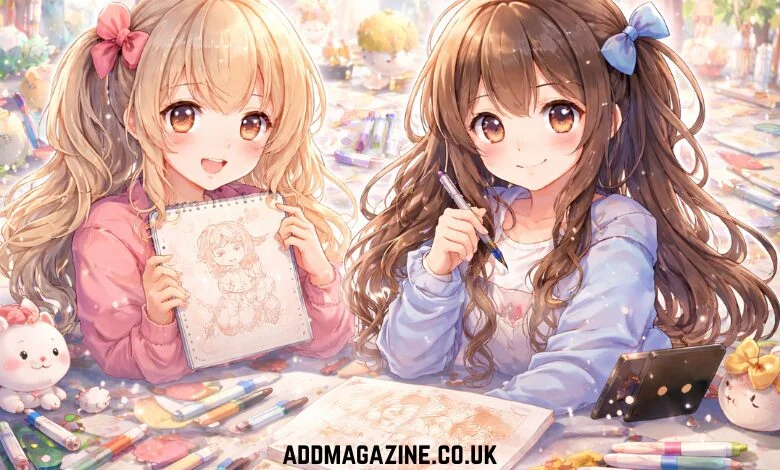
At its core, Dojen Moe is about tapping into the emotional richness of both concepts. Artists create works that are not just visually appealing or technically skilled, but also emotionally resonant. The works often feature soft, pastel color palettes, delicate character designs, and thematic explorations of love, longing, and nostalgia. It’s about capturing those fleeting, tender moments that resonate with audiences, stirring emotions ranging from warmth to melancholy.
These works may not always be connected to existing franchises or characters, but instead feature original creations that evoke these emotions through their design and narrative structure. Dojen Moe creators frequently draw inspiration from the anime and manga worlds, incorporating common tropes or character types from these mediums but reinterpreting them in new and personal ways.
The Emotional Connection to Dojen Moe
One of the most significant aspects of Dojen Moe is its ability to create a strong emotional bond between the artist and the audience. Unlike mainstream art forms, where large studios or corporations dictate trends, Dojen Moe works are deeply personal, often showcasing the emotional vulnerability of the creator. This vulnerability is reflected in the art itself — characters may have relatable flaws, struggles, and dreams, making them more human and emotionally accessible.
The mood of Dojen Moe is often meditative and introspective, aiming to provoke thought and reflection in the viewer. Whether it’s a watercolor painting of a lone figure gazing out over a sunset or a short story about a fleeting summer romance, the emotional depth of these works draws audiences in, evoking nostalgia for simpler times or a longing for something unattainable.
The allure of Dojen Moe lies in its ability to make these emotions feel real and tangible, despite the often fictional nature of the characters or scenarios. It taps into universal experiences — love, loss, dreams, and identity — that anyone can relate to. For many fans, Dojen Moe serves as a way to reconnect with their inner selves, providing comfort in a chaotic world.
The Role of Online Communities
Dojen Moe is not just a concept but a thriving digital subculture that exists within various online communities. From platforms like Pixiv, where artists showcase their latest creations, to Fur Affinity and independent webcomics, creators and fans gather to share and celebrate these works. These platforms foster a sense of community, where people can exchange ideas, provide feedback, and connect over their shared love for emotionally evocative art.
The digital nature of these platforms has also allowed for a democratization of art creation. With little to no overhead costs or publishing gatekeepers, creators have greater autonomy in sharing their works. The ability to reach a global audience has made Dojen Moe accessible to fans and creators from around the world. Through platforms like Patreon, independent creators can monetize their work while maintaining creative control, further bolstering the growth of this subculture.
Fans of Dojen Moe also play a crucial role in the success of these works. They are not merely passive consumers; they are active participants, engaging with creators, offering their interpretations, and even producing their own content inspired by the works they admire. This creates a dynamic ecosystem where both creators and audiences are in constant dialogue, influencing each other’s work and contributing to the ongoing evolution of Dojen Moe.
The Future of Dojen Moe
As Dojen Moe continues to grow, it is clear that its impact on the digital art and storytelling landscape will only increase. More creators are finding inspiration in the emotional depth of moe and the independence of doujin, crafting works that are not only aesthetically pleasing but deeply moving.
The rise of virtual reality (VR) and augmented reality (AR) technologies may also open up new avenues for Dojen Moe creators. Imagine stepping into an interactive moe world where you can experience the emotional weight of a story firsthand, or interact with characters whose emotions are as palpable as your own. These new mediums will likely become the next frontier for Dojen Moe, pushing the boundaries of how emotions are conveyed in digital art.
Moreover, as Dojen Moe continues to thrive, it could inspire even more mainstream recognition of independent creators, influencing larger entertainment industries like anime, manga, and video games. It could pave the way for a future where emotionally resonant, personal storytelling is embraced not just by niche audiences but by the world at large.
Conclusion
Dojen Moe is more than just a digital subculture; it is a celebration of emotional depth, creativity, and independence. By fusing the world of doujin art with the emotional power of moe, it has created a space where creators can explore complex feelings, create intimate connections with their audience, and contribute to a global movement that values personal expression over commercial success. As this subculture continues to evolve, one thing remains clear: Dojen Moe is a force to be reckoned with in the world of digital creativity.