
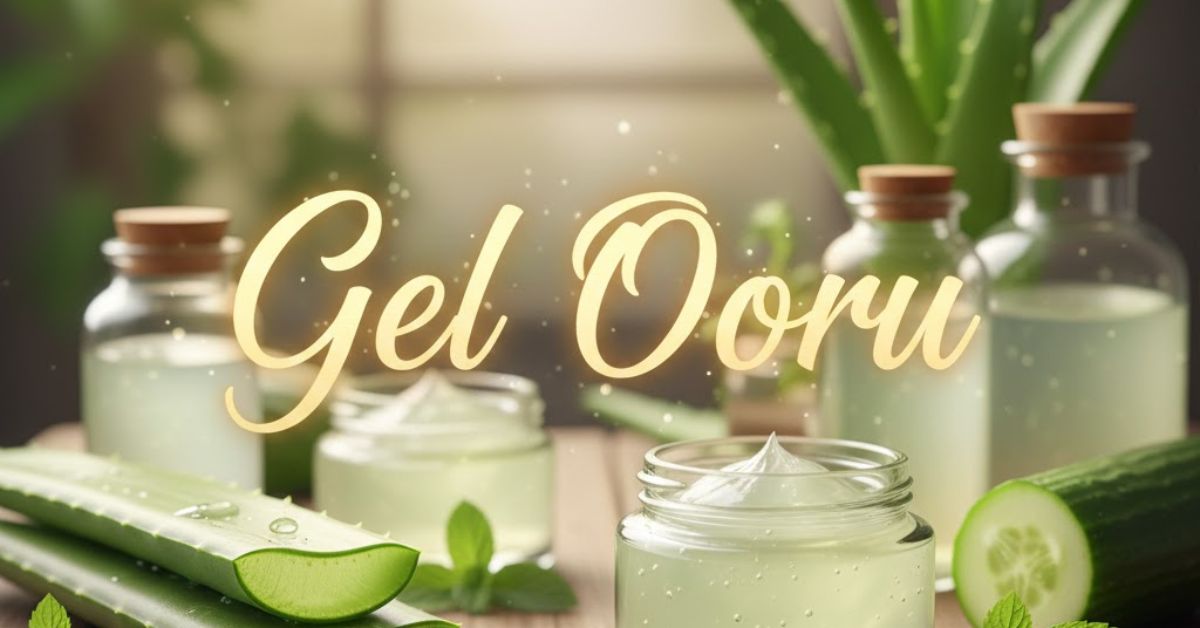
Gel Ooru: Complete Guide to Aloe Vera Gel
Introduction to Gel Ooru
Gel Ooru refers to a soothing aloe vera gel formulation derived from the inner pulp of the aloe leaf, widely recognized for its skin healing, hydration, and therapeutic properties. Gel Ooru is commonly associated with products made from the plant , a succulent species cultivated in tropical and semi tropical climates across the world. The transparent gel extracted from the thick leaves contains over 75 active compounds, including vitamins, minerals, enzymes, amino acids, and polysaccharides. These compounds contribute to its ability to moisturize skin, reduce inflammation, and promote wound healing.
The global aloe vera gel market has grown significantly over the past decade. According to industry reports, the aloe vera extract market was valued at over 2 billion USD in recent years and is projected to expand steadily due to increasing demand in cosmetics, personal care, and natural medicine sectors. Gel Ooru products are widely used in skincare routines, sunburn treatments, hair care formulas, and even in certain pharmaceutical preparations. This article explores the composition, benefits, applications, production methods, safety profile, and scientific relevance of Gel Ooru in detail.
What Is Gel Ooru
Gel Ooru is a processed or freshly extracted aloe vera gel designed for topical application. The gel is obtained by cutting open mature aloe leaves and scooping out the inner mucilaginous substance. This inner gel differs from the yellow latex layer beneath the skin of the leaf, which contains aloin and can cause irritation if not properly removed.
The gel is composed of approximately 99 percent water, while the remaining 1 percent contains biologically active compounds. Among these compounds are vitamins A, C, and E, which function as antioxidants. It also contains vitamin B12 and folic acid in trace amounts. The presence of glucomannan, a polysaccharide, is responsible for stimulating collagen production and supporting skin repair. Enzymes such as bradykinase contribute to anti inflammatory effects, while salicylic acid provides mild antibacterial and anti inflammatory properties.
Commercial Gel Ooru products are often stabilized to prevent oxidation. Fresh aloe gel begins to degrade within hours of extraction due to enzymatic reactions. Stabilization processes may include cold pressing, pasteurization, or the addition of natural preservatives to extend shelf life without compromising active compounds.
Nutritional and Chemical Composition of Gel Ooru
Gel Ooru contains a unique profile of nutrients and bioactive molecules that explain its wide range of uses. Scientific analysis has identified more than 75 potentially active constituents. The most important categories include polysaccharides, anthraquinones, vitamins, minerals, enzymes, amino acids, and plant sterols.
Polysaccharides such as acemannan are central to aloe gel’s therapeutic action. Acemannan is known to enhance macrophage activity, supporting immune responses and tissue repair. Minerals present in aloe gel include calcium, magnesium, zinc, chromium, selenium, sodium, iron, potassium, copper, and manganese. These minerals contribute to enzymatic processes and skin health.
Anthraquinones, although present in small amounts in properly processed gel, have antimicrobial properties. However, excessive anthraquinones from the latex layer can cause irritation, which is why quality control during Gel Ooru production is essential. Plant hormones such as auxins and gibberellins support wound healing and exhibit anti inflammatory activity.
Research studies have shown that aloe vera gel can increase collagen content in wounds by up to 30 percent in certain experimental models. This increase supports faster tissue regeneration and improved elasticity.
Read More : Klemroot: Powerful Ways To Boost Health With This Superfood
Skin Benefits of Gel Ooru
Gel Ooru is widely recognized for its effectiveness in skincare due to its hydrating, soothing, and reparative properties. Its high water content makes it an excellent natural moisturizer, especially for oily and acne prone skin. Unlike heavy creams, aloe gel absorbs quickly without clogging pores.
One of the most researched benefits of aloe gel is its effect on burn healing. Clinical observations suggest that topical aloe application may reduce healing time in first and second degree burns by several days compared to conventional treatments. The anti inflammatory compound bradykinase helps reduce redness and swelling, while polysaccharides support new skin cell growth.
Gel Ooru also plays a role in acne management. Its antibacterial properties help inhibit the growth of acne causing bacteria, while its anti inflammatory effects reduce swelling. Salicylic acid in aloe gel gently exfoliates dead skin cells and prevents clogged pores. Furthermore, antioxidants such as vitamins C and E combat oxidative stress, which contributes to premature aging.
Studies have shown improved skin elasticity and reduced wrinkle depth after consistent use of aloe based formulations for 90 days. Increased collagen production and hydration contribute to these anti aging effects.
Hair and Scalp Applications of Gel Ooru
Gel Ooru is not limited to skincare. It is also extensively used in hair care products due to its conditioning and scalp soothing properties. The proteolytic enzymes present in aloe gel help remove dead skin cells from the scalp, which may reduce dandruff formation.
Aloe gel can help balance scalp pH, which is typically around 5.5. Maintaining this pH level supports healthy hair growth and reduces dryness. Some studies indicate that aloe vera extract can reduce scalp inflammation and itching, particularly in conditions such as seborrheic dermatitis.
The moisturizing properties of Gel Ooru improve hair texture and reduce breakage. When applied as a leave in treatment, it forms a protective layer around hair strands, enhancing shine and manageability. Its amino acids strengthen hair shafts and support keratin structure.
Medicinal and Therapeutic Uses of Gel Ooru
Gel Ooru has been used in traditional medicine systems for centuries. Historical records indicate its use in ancient Egypt, Greece, and India for wound care and skin protection. Today, modern research continues to validate many of these traditional uses.
Topical aloe gel is frequently used for minor cuts, insect bites, and skin irritations. Its antimicrobial action helps reduce infection risk, while its cooling effect provides immediate relief. Clinical research has explored aloe gel in the management of psoriasis and eczema, with some studies reporting reduced scaling and itching.
In oral care, aloe gel formulations have been studied for their effectiveness in reducing plaque and gingivitis. Certain aloe mouthwashes have demonstrated comparable results to chlorhexidine in reducing plaque accumulation, though without staining side effects.
Production and Quality Control of Gel Ooru
The effectiveness of Gel Ooru depends heavily on processing methods. Mature aloe leaves are harvested typically after three to four years of growth, when active compound concentration is highest. Leaves are washed thoroughly to remove contaminants before the outer rind is removed.
The latex layer containing aloin must be separated carefully to prevent contamination. Filtration and stabilization follow immediately after extraction. Cold stabilization is often preferred to preserve heat sensitive nutrients. Some manufacturers use activated carbon filtration to remove unwanted anthraquinones.
Quality Gel Ooru products are tested for microbial contamination, aloin levels, and active polysaccharide concentration. International standards recommend that aloin content in finished aloe gel products remain below 10 parts per million to ensure safety for topical use.
Market Demand and Industry Growth
The popularity of natural and plant based skincare has fueled rapid expansion in the aloe gel market. The global aloe vera products industry is projected to grow at a compound annual growth rate of over 7 percent in the coming years. Increasing consumer awareness regarding synthetic chemical side effects has shifted demand toward herbal alternatives like Gel Ooru.
Countries such as India, Mexico, and the United States are major producers of aloe vera. India alone cultivates aloe on thousands of hectares of farmland, contributing significantly to export markets. Aloe based cosmetics account for a substantial portion of the herbal skincare segment worldwide.
Safety and Precautions
Gel Ooru is generally safe for topical use. However, individuals with sensitive skin should perform a patch test before full application. Allergic reactions, though rare, may include redness or itching.
Properly processed aloe gel should be free from excessive latex content. Internal consumption of aloe latex can cause abdominal cramps and diarrhea. Therefore, only purified gel products designed for specific use should be applied or consumed according to guidelines.
Pregnant and breastfeeding women should consult healthcare professionals before using aloe based products internally. For topical use, side effects are uncommon when the product meets safety standards.
Conclusion
Gel Ooru represents one of the most versatile and scientifically supported natural skincare ingredients derived from . With its rich composition of polysaccharides, vitamins, enzymes, and antioxidants, it offers a combination of hydration, anti inflammatory action, and tissue repair that few plant based ingredients can match. Clinical studies demonstrate its ability to accelerate wound healing, improve skin elasticity, reduce acne inflammation, and soothe burns. The global rise in demand for plant derived cosmetics has further strengthened its position in the personal care industry, with market growth projected steadily over the next decade.
Quality control remains essential to ensure the safety and efficacy of Gel Ooru products. Proper extraction, latex removal, and stabilization processes preserve its active compounds and prevent irritation. Whether used for skincare, hair care, or minor therapeutic applications, Gel Ooru continues to hold significant value in both traditional remedies and modern formulations. As consumer interest in natural wellness solutions expands, aloe based gels are expected to maintain their prominence across cosmetic and pharmaceutical sectors worldwide.