

Overtes Explained: The Hidden SEO Opportunity That Smart Content Creators Are Starting to Discover
Every day, thousands of search terms appear online that leave people asking the same question: What does this actually mean? One such keyword gaining curiosity is Overtes.
While it may seem unfamiliar at first glance, it represents an excellent opportunity for content creators, bloggers, marketers, and SEO professionals to build valuable, search-focused content. Instead of treating an unfamiliar keyword as a mystery, successful websites transform it into a helpful resource. They answer user questions quickly, organize information logically, and create an enjoyable reading experience.
Consequently, both readers and search engines appreciate the page. If you want to understand Overtes, use it effectively in SEO, and build content that ranks naturally, this complete guide will help you achieve exactly that. From understanding search intent to creating reader-friendly articles, you will learn practical strategies that improve both visibility and engagement.
What Is Overtes?
Overtes is best understood as a keyword or search topic that requires a clear explanation before readers can fully appreciate its value. Since many users search for unfamiliar terms, they expect immediate clarity rather than complicated definitions. In practical SEO, Overtes represents more than a single keyword. Instead, it highlights the importance of creating content that answers questions quickly while remaining informative and easy to follow.
Whenever people search for Overtes, they are usually trying to accomplish one of several goals. They may want to understand its meaning, discover where it can be used, learn how it relates to SEO, or explore practical examples. Therefore, a well-written article should satisfy all these expectations without overwhelming the reader.
Why Are People Searching for Overtes?
Search behavior continues to evolve. Users no longer type random words into search engines hoping for results. Instead, they expect immediate answers that solve their problems. People searching for Overtes often have different intentions, including:
- Understanding its definition.
- Learning how it relates to SEO.
- Finding practical examples.
- Using it within content marketing.
- Discovering whether it is a keyword worth targeting.
Because search intent varies, your content should address multiple possibilities naturally. As a result, readers stay longer on the page while search engines recognize its relevance.
Why Search Intent Matters More Than Keywords
Many beginners believe repeating a keyword dozens of times guarantees higher rankings. Unfortunately, modern SEO no longer works that way. Today’s search engines evaluate whether your content actually satisfies user intent. Imagine someone searching for Overtes. If they only find repeated keywords without useful explanations, they leave immediately.
However, if they find clear answers, examples, practical advice, and logical organization, they remain engaged. This positive user experience sends strong signals that the page deserves better visibility. Consequently, successful SEO focuses on solving problems instead of stuffing keywords.
Understanding Overtes in Modern SEO
SEO has changed dramatically over recent years. Instead of rewarding pages filled with repetitive keywords, search engines now prioritize quality, relevance, expertise, and readability. Overtes perfectly demonstrates this shift. Rather than forcing the keyword into every sentence, effective content surrounds it with related concepts such as:
- Search intent
- User experience
- Content strategy
- Semantic SEO
- Keyword research
- Content optimization
- Internal linking
- Topic authority
- Organic traffic
- Helpful content
Together, these supporting terms help search engines understand the complete context. Therefore, your page appears more natural while covering a wider range of related searches.
How to Create High Quality Overtes Content
Building useful content begins with understanding your audience. Instead of writing for algorithms alone, write for real people who want fast, reliable information. An effective Overtes article should begin with a direct introduction that immediately explains the topic. After that, it should expand naturally using examples, comparisons, and actionable advice. Each section should build upon the previous one.
As readers move through the article, they should gain confidence and understanding without feeling lost. This gradual learning process significantly improves engagement.
The Importance of Content Structure
Good content is not simply about excellent writing. Presentation matters equally. Readers rarely consume every word from beginning to end. Instead, they scan headlines before deciding where to focus. For this reason, every Overtes article should include:
- A compelling introduction
- Clear H2 and H3 headings
- Short paragraphs
- Bullet points where appropriate
- Practical examples
- Logical progression
- A helpful conclusion
- Frequently Asked Questions
This organization improves readability while helping search engines understand the article’s hierarchy.
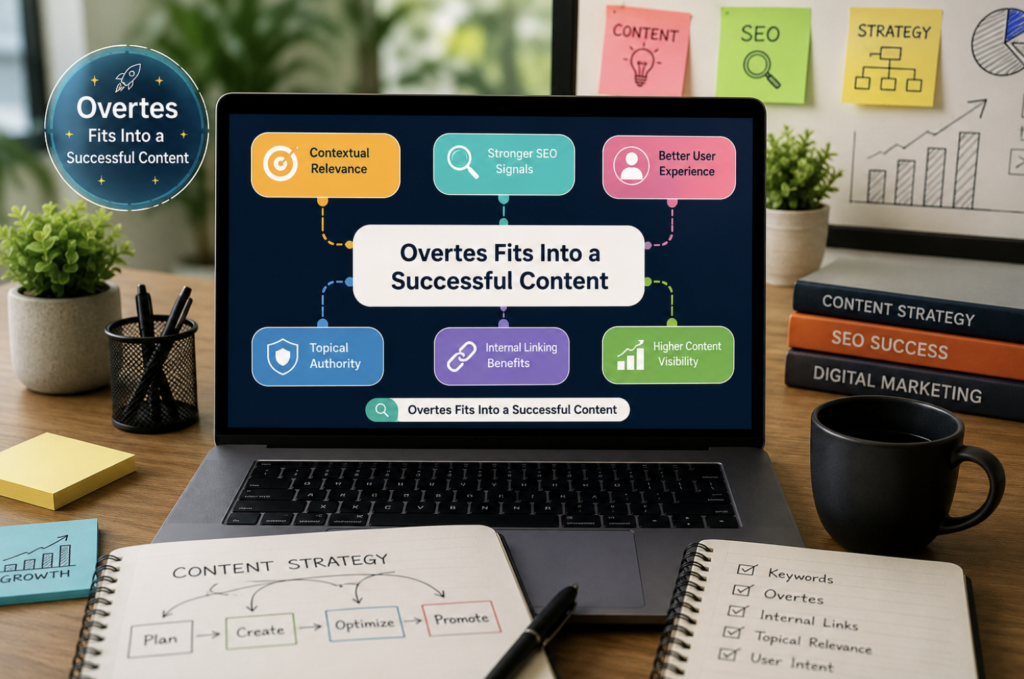
How Overtes Fits Into a Successful Content Strategy
Every successful website relies on content planning. Instead of publishing unrelated articles, smart publishers create connected topic clusters. An article about Overtes can become the central resource that links naturally to related topics such as:
- Keyword research
- Content marketing
- SEO writing
- Search intent
- On-page optimization
- Internal linking
- User engagement
- Blogging strategies
These connections strengthen topical authority. Eventually, search engines recognize your website as a reliable source covering an entire subject rather than isolated keywords.
Practical Ways to Use Overtes
Although Overtes may appear abstract, it becomes much more valuable when applied practically. For example, bloggers can use it as an informational article that introduces readers to unfamiliar concepts. Digital marketers can build supporting articles around related search terms.
SEO professionals may analyze how similar low-competition keywords perform before expanding their content strategy. Businesses can also use Overtes within educational resources, knowledge bases, and frequently asked questions. Each approach creates opportunities to attract organic visitors.
How Natural Language Improves Rankings
Readers dislike robotic writing. Search engines do too. Instead of repeating identical phrases, modern SEO encourages natural language. For example, rather than constantly repeating “Overtes,” you can naturally include related expressions like:
- the topic
- the keyword
- this concept
- the search term
- the subject
- the query
This variation keeps the article readable while maintaining topical relevance. Consequently, your content feels authentic instead of artificially optimized.
Common Mistakes When Writing About Overtes
Even experienced writers occasionally make avoidable errors. One common mistake involves focusing exclusively on keywords while ignoring the reader. Another mistake involves publishing overly short content that lacks useful information. Some writers also forget to organize their content with headings, making large text blocks difficult to read. Others avoid examples entirely, leaving readers confused.
Finally, many articles ignore search intent. Without understanding why someone searched for Overtes, even excellent writing may fail to satisfy visitors. Avoiding these mistakes dramatically improves both user satisfaction and SEO performance.
How Examples Make Complex Topics Easier
Examples transform theory into understanding. Imagine someone discovers the keyword Overtes for the first time. Instead of offering only a definition, explain how it might appear in an SEO project. Suppose a content creator identifies Overtes as a low-competition keyword.
Rather than producing a thin article filled with repetition, they create a comprehensive guide covering its meaning, practical applications, SEO relevance, related topics, and common questions. This richer content naturally attracts longer visits and better engagement. Readers leave feeling informed instead of confused.
Building Authority Around Overtes
Authority develops over time. One article rarely establishes expertise. Instead, successful websites continuously publish connected resources that support one another. For example, after writing about Overtes, additional articles could cover:
- Keyword clustering
- Semantic search
- Content optimization
- Internal linking
- Featured snippets
- Search intent analysis
- Blog writing techniques
- SEO content planning
Together, these resources demonstrate expertise while encouraging visitors to explore more pages. This interconnected approach strengthens both rankings and user experience.
Best Practices for Writing Overtes Content
Creating valuable content requires consistency. Always begin with a clear explanation before introducing advanced ideas. Use headings that immediately communicate the topic of each section. Write short paragraphs because they improve readability across desktop and mobile devices. Include practical examples whenever possible. Use related keywords naturally instead of forcing repetition. Link to relevant articles throughout your website. Maintain active voice to improve clarity. Focus on solving reader problems before considering search engine algorithms.
Finally, update your article periodically as search trends evolve. Following these practices creates content that remains useful for both readers and search engines.
How Overtes Supports Long-Term SEO Growth
SEO is not about overnight success. Instead, it rewards consistent quality. A well-developed Overtes article can continue attracting visitors for months or even years when properly maintained.
As your website publishes additional related content, the article gains even greater value. Internal links strengthen its authority. Fresh updates maintain relevance. Improved engagement encourages stronger rankings. Over time, a single informative article can become an important source of recurring organic traffic. That long-term value makes high-quality content one of the smartest digital investments available.
The Future of Content Around Overtes
Search engines continue becoming better at understanding language. Consequently, future SEO will rely even more heavily on context, expertise, and user satisfaction. Keywords like Overtes demonstrate why comprehensive content matters. Rather than producing dozens of shallow articles, publishers should focus on creating complete resources that genuinely answer user questions.
As artificial intelligence improves search capabilities, originality and helpfulness will become even more important. Therefore, investing in quality content today prepares websites for tomorrow’s search landscape.
Conclusion
Overtes may begin as an unfamiliar search term, yet it presents an excellent opportunity for creating meaningful, search-friendly content. Instead of relying on keyword repetition, successful articles focus on clarity, organization, practical examples, and genuine value.
When readers quickly understand the topic, remain engaged throughout the article, and leave with useful knowledge, search engines recognize those positive signals. As a result, the page becomes more competitive in organic search. Whether you are a blogger, digital marketer, business owner, or SEO specialist, approaching Overtes with a reader-first mindset will always produce better long-term results.
Build content that answers real questions, organize it thoughtfully, and continually improve it over time. That strategy consistently outperforms shortcuts and creates lasting visibility in search results.
Frequently Asked Questions
1. What is Overtes?
Overtes is a keyword or topic that requires clear explanation, context, and practical application.
2. Is Overtes useful for SEO?
Yes, when supported with high-quality, user-focused content and proper optimization.
3. Should I repeat the Overtes keyword many times?
No, use it naturally alongside relevant related terms.
4. Why is search intent important for Overtes?
Search intent ensures your content answers what readers actually want to know.
5. Can beginners write about Overtes?
Yes, as long as the content remains accurate, organized, and easy to understand.
6. How long should an Overtes article be?
A comprehensive article between 1,600 and 1,800 words provides excellent topical coverage.
7. Does internal linking help Overtes pages?
Yes, internal links strengthen topical authority and improve navigation.
8. Should I include examples in an Overtes article?
Yes, practical examples make unfamiliar concepts much easier to understand.
9. What writing style works best for Overtes?
Clear, conversational, and active writing delivers the best reader experience.
10. How often should I update Overtes content?
Review and refresh it regularly to keep information accurate and SEO-friendly.