What Is Bluetooth Pairing and Why Does It Sometimes Fail?
Bluetooth has become one of the easiest ways to connect wireless devices. You can use it to connect headphones to a phone, a mouse to a laptop, a controller to a gaming system, or a speaker to a tablet.
Usually, the process takes only a few seconds. You turn on Bluetooth, select the device, and the two devices connect.
But sometimes things do not go as planned.
A device may appear in the Bluetooth list but refuse to connect. It might connect and then disconnect immediately. In other cases, the device may not appear at all.
So, what is Bluetooth pairing, how does it work, and why does it sometimes fail?
Understanding the pairing process makes these problems much easier to troubleshoot.
What Is Bluetooth Pairing?
Bluetooth pairing is the process of establishing a trusted connection between two Bluetooth-enabled devices.
When you pair two devices, they exchange information that allows them to recognize and connect with each other in the future.
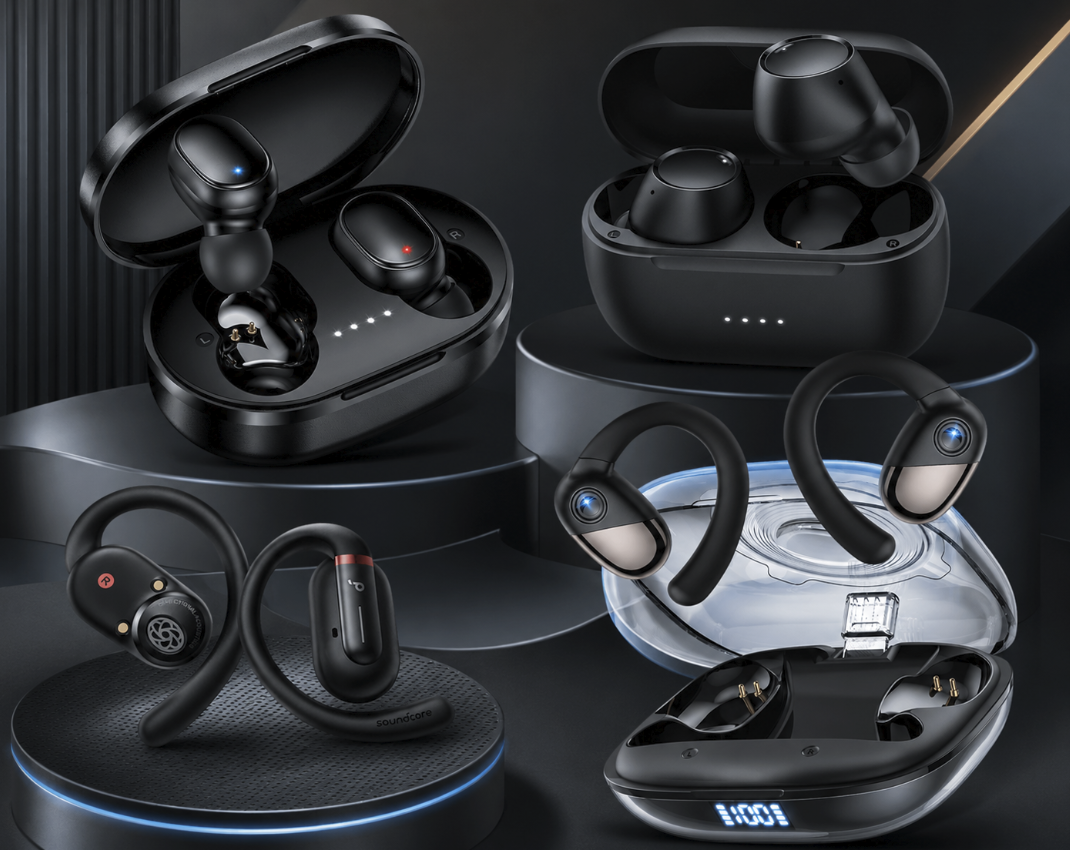
For example, when you pair wireless earbuds with your smartphone, the phone and earbuds establish the relationship needed for future Bluetooth connections.
Once pairing is completed, the devices may remember each other. The next time you turn on the earbuds and Bluetooth on your phone, they can often reconnect automatically.
Pairing and connecting are related but not exactly the same thing.
Pairing establishes the relationship between the devices, while connecting means the devices are actively communicating.
How Does Bluetooth Pairing Work?
Bluetooth uses short-range radio communication to exchange data between compatible devices.
When you put a device into pairing mode, it makes itself available for nearby Bluetooth devices to discover.
Your phone, tablet, or computer scans for available devices and displays their names.
When you select the device, the two devices perform a process that establishes a secure relationship.
Depending on the devices involved, you may need to confirm a code or accept a pairing request.
After successful pairing, the devices store information that helps them recognize each other later.
The exact technical process varies depending on the Bluetooth version, device type, operating system, and security features being used.
Pairing vs. Connecting: What’s the Difference?
These terms are often used interchangeably, but they describe different stages.
Pairing
Pairing is usually a one-time setup process.
For example, your phone and wireless headphones may be paired today and remember each other afterward.
Connecting
Connecting happens when the paired devices establish an active Bluetooth link.
A pair of headphones can remain paired with your phone even when the headphones are turned off. Once you turn them back on and they reconnect, an active connection is established.
This distinction is useful when troubleshooting.
If your device is paired but will not connect, deleting the pairing and setting it up again may solve the problem.
Why Does Bluetooth Pairing Sometimes Fail?
Bluetooth pairing can fail for several reasons.
The problem is not always with Bluetooth itself. It can come from device settings, distance, battery levels, interference, software, or an existing connection.
Here are some of the most common causes.
1. The Device Is Not in Pairing Mode
One of the most common problems is that the accessory is not actually in pairing mode.
Turning Bluetooth on does not necessarily put a device into discovery mode.
For example, wireless headphones may need you to hold a particular button before they become visible to nearby devices.
If the device does not appear in your phone’s Bluetooth list, check its instructions and activate pairing mode properly.
2. The Devices Are Too Far Apart
Bluetooth is designed primarily for relatively short-range communication.
The effective range depends on the Bluetooth version, device design, obstacles, radio environment, and power level.
If you are trying to pair devices from different rooms or with walls between them, move them closer together.
For initial pairing, keeping the devices within a few feet of each other is often a good approach.
Once the connection works, you can determine how far apart they can be while maintaining a reliable connection.
3. The Accessory Has a Low Battery
Low battery levels can cause Bluetooth accessories to behave unpredictably.
A device with very little power may fail to enter pairing mode, disappear from the device list, or disconnect repeatedly.
Charge the accessory before troubleshooting more complicated possibilities.
This is especially important with small wireless devices such as earbuds, fitness accessories, and portable keyboards.
4. The Device Is Already Connected Somewhere Else
Many Bluetooth accessories can remember multiple devices but may actively connect to only one or a limited number at a time.
Your headphones might be trying to reconnect to another phone, tablet, laptop, or computer nearby.
If the accessory does not connect to your current device, check whether another device is already connected.
Turn Bluetooth off on nearby devices temporarily or disconnect the accessory from them.
Then try pairing again.
5. Too Many Saved Bluetooth Devices
Phones and computers can remember previously paired devices.
In some situations, old saved connections can create confusion, particularly if you have used the same accessory with many devices.
Open your Bluetooth settings and review the list of saved devices.
If you no longer use certain accessories, you can remove or “forget” them.
Then restart the pairing process.
6. Bluetooth Software or System Issues
Sometimes the problem is caused by the operating system rather than the physical Bluetooth hardware.
A temporary software glitch can prevent devices from discovering or connecting to each other.
Try these basic steps:
- Turn Bluetooth off.
- Wait a few seconds.
- Turn Bluetooth back on.
- Restart the device.
- Put the accessory back into pairing mode.
- Try connecting again.
Also check whether your phone, tablet, or computer has a pending system update.
Updates can fix bugs and compatibility problems.
7. Bluetooth Interference
Bluetooth operates using radio signals, so its performance can sometimes be affected by the surrounding wireless environment.
Wi-Fi networks, other Bluetooth devices, wireless peripherals, and physical obstacles can contribute to connection problems.
If Bluetooth keeps disconnecting, move away from crowded wireless environments and test the connection again.
You can also temporarily turn off other nearby Bluetooth accessories to determine whether another device is causing a conflict.
8. The Devices Are Not Compatible
Bluetooth is designed to support interoperability, but compatibility is not always guaranteed for every feature.
Two devices may technically support Bluetooth but still have limitations because of different profiles, operating systems, firmware, or manufacturer-specific implementations.
For example, a device might support basic audio connections but not a particular advanced feature.
If two devices refuse to work together despite repeated troubleshooting, check their compatibility information.
How to Fix Bluetooth Pairing Problems
If Bluetooth pairing fails, work through the following troubleshooting sequence.
Step 1: Move the Devices Closer
Place both devices near each other.
This eliminates distance as a possible cause.
Step 2: Check Battery Levels
Make sure both devices have sufficient battery power.
Charge the accessory if necessary.
Step 3: Confirm Pairing Mode
Make sure the accessory is actually discoverable.
Look for a blinking indicator or follow the manufacturer’s instructions for activating pairing mode.
Step 4: Turn Bluetooth Off and On
Disable Bluetooth on the phone or computer, wait briefly, and turn it back on.
Then search for the accessory again.
Step 5: Restart Both Devices
Restart the phone, computer, tablet, or other source device.
If possible, also restart the Bluetooth accessory.
A restart can clear temporary software problems.
Step 6: Forget and Re-Pair the Device
If the device appears in your Bluetooth settings but refuses to connect, remove the saved pairing.
Then place the accessory back into pairing mode and set it up again.
This creates a fresh pairing relationship.
Step 7: Check for Updates
Install available operating system and firmware updates.
If the accessory has a companion app, check whether the manufacturer provides firmware updates through it.
How to Pair Bluetooth Devices on a Phone
The exact steps vary slightly depending on the operating system and device manufacturer.
Generally, the process looks like this:
- Open your phone’s Settings.
- Select Bluetooth or Connected Devices.
- Turn Bluetooth on.
- Put the accessory into pairing mode.
- Wait for the accessory to appear.
- Tap its name.
- Confirm the pairing request if prompted.
- Wait for the connection to complete.
Once paired, the device should appear among your saved Bluetooth devices.
How to Pair Bluetooth Devices With a Laptop
On a Windows laptop, open Bluetooth settings and make sure Bluetooth is enabled. Select the option to add a new Bluetooth device, choose the appropriate device type, and select your accessory when it appears.
On a Mac, open Bluetooth settings through System Settings and look for available devices.
In both cases, make sure the accessory is in pairing mode before searching.
If the laptop cannot find the device, check whether Bluetooth is enabled and whether the appropriate Bluetooth hardware and software are functioning correctly.
Why Does Bluetooth Connect but Then Disconnect?
A Bluetooth device that connects successfully but repeatedly disconnects can have a different problem from one that never pairs.
Possible causes include:
- Low battery
- Excessive distance
- Wireless interference
- Outdated software
- Device switching
- Power-saving settings
- Firmware problems
- Hardware faults
Start by charging the accessory and moving it closer to the source device.
If the problem continues, forget the Bluetooth connection and pair the devices again.
Also check whether the accessory is automatically switching between multiple devices.
Is Bluetooth Pairing Secure?
Modern Bluetooth technology includes security mechanisms designed to protect communications between devices.
However, security depends on the Bluetooth version, device implementation, pairing method, operating system, and how the devices are configured.
You should generally avoid accepting unexpected Bluetooth pairing requests.
If an unfamiliar device asks to connect, do not approve it unless you know what it is and why it is attempting to connect.
Keeping your devices updated is also an important part of maintaining security.
When Is Bluetooth Hardware the Problem?
Most Bluetooth connection problems can be solved through settings or basic troubleshooting.
However, hardware failure is possible.
If your phone or laptop cannot detect any Bluetooth devices while other devices work normally, the Bluetooth hardware or its software configuration may be the issue.
Similarly, if a particular accessory cannot connect to multiple compatible devices, the accessory itself may have a problem.
At that point, checking manufacturer support or having the hardware inspected may be appropriate.
Conclusion
Bluetooth pairing is designed to make connecting wireless devices simple, but several factors can cause the process to fail.
The accessory may not be in pairing mode, the battery may be low, another device may already be connected, or the devices may be too far apart. Software bugs, interference, compatibility limitations, and hardware problems can also play a role.
When Bluetooth stops cooperating, start with the basics. Move the devices closer, check their batteries, confirm pairing mode, restart Bluetooth, and try a fresh pairing.
In many cases, those simple steps are enough to restore the connection and get your wireless device working again.
Frequently Asked Questions
1. What does Bluetooth pairing mean?
Bluetooth pairing is the process of establishing a trusted relationship between two Bluetooth-enabled devices so they can recognize and communicate with each other.
2. Why won’t my Bluetooth device pair?
Common reasons include the accessory not being in pairing mode, low battery, excessive distance, an existing connection to another device, outdated software, interference, or compatibility issues.
3. How do I fix Bluetooth pairing problems?
Start by moving the devices closer together, checking their battery levels, confirming pairing mode, restarting Bluetooth, restarting both devices, and forgetting and re-pairing the accessory.
4. Why is my Bluetooth device paired but not connecting?
A device can remain saved as paired while failing to establish an active connection. Another device may already be connected, or a temporary software or Bluetooth problem may be preventing the connection.
5. Can too many Bluetooth devices cause connection problems?
Having multiple saved devices does not automatically prevent Bluetooth from working, but several nearby devices and active connections can make troubleshooting more complicated. Disconnecting unused devices can help identify the problem.
6. Does restarting Bluetooth fix pairing problems?
Restarting Bluetooth can resolve temporary connection or discovery problems. If that does not work, restarting both devices or removing and recreating the pairing is often the next useful step.