
Getting Started with Gymnastics at Home: A Beginner’s Friendly Guide
Gymnastics is an excellent way to boost your strength, flexibility, and overall body control. Many people think you need to join a gym or hire a coach to learn it. But the truth is, you can begin practicing basic gymnastics skills right in the comfort of your own home! With the right setup and consistent effort, anyone can start their gymnastics journey safely and enjoyably.
Create a Safe and Suitable Practice Space

The first step is setting up a safe environment for your training. Find a spacious area in your home where you have plenty of room to move freely without bumping into furniture or other objects. A clear, uncluttered floor is essential to prevent accidents during your exercises.
Use a yoga mat, thick rug, or exercise mat to cushion the floor. This added padding protects your body during rolls, handstands, or balance exercises. Clear away sharp or fragile items, and ensure the area is well lit so you can see clearly and stay aware of your surroundings.
Start Every Session with a Warm Up

Warming up is crucial before diving into gymnastics practice. It prepares your muscles and joints, reduces injury risk, and boosts your performance. Spend 5 to 10 minutes doing light cardio like jumping jacks, arm swings, or jogging in place.
Follow this with dynamic stretches for your arms, legs, and back to increase flexibility and blood flow. Proper warm up routines make your movements smoother and more controlled, setting the stage for a productive workout.
Master Basic Gymnastics Moves

As a beginner, focus on simple, foundational movements that teach coordination, strength, and balance. These exercises lay the groundwork for more advanced skills later on.
Some easy gymnastics skills to start with include:
Forward rolls
Cartwheels
Wall supported handstands
Bridges
Hollow body holds
Practice each move slowly, paying close attention to maintaining good form. Controlled, deliberate movements help prevent injuries and accelerate your progress.
Build Strength with Bodyweight Exercises
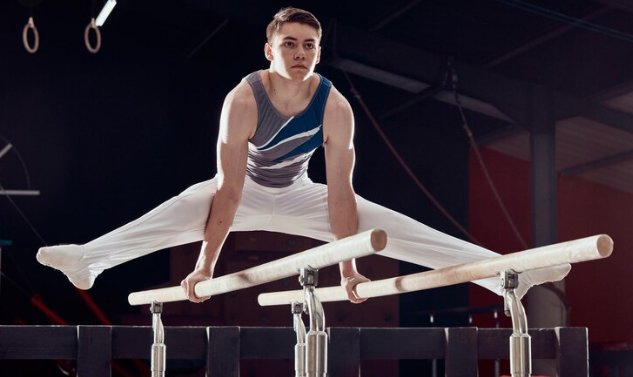
Strength is key to performing gymnastics safely and effectively. Developing your muscles makes balancing, holding positions, and executing skills much easier.
Incorporate basic bodyweight exercises like push ups, squats, planks, and leg raises into your routine. These moves target your core, arms, and legs, building the strength needed for more complex skills.
Strive to complete at least three workout sessions each week. Consistency is more effective than long, infrequent workouts, so keep it regular to see steady improvements.
Focus on Daily Flexibility Training

Having flexibility enables your body to move easily and helps prevent injuries. Incorporate stretching into your daily routine to enhance your mobility and support your gymnastics progress.
Target key areas such as hamstrings, hips, shoulders, and lower back with stretches like splits, backbends, and shoulder stretches. Hold each stretch for 15-30 seconds and avoid pushing into pain progress gradually over time.
Utilize Online Resources for Guidance
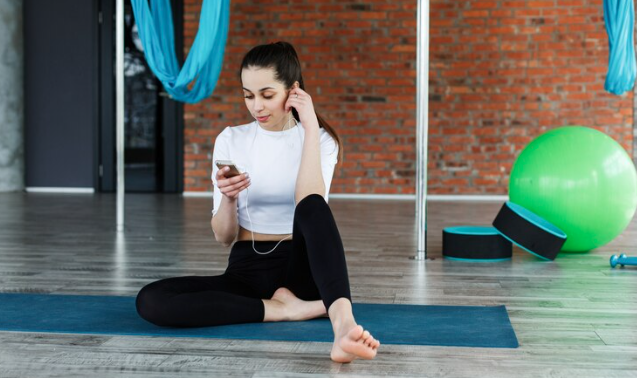
The internet is a treasure trove of gymnastics tutorials and workout guides. Watching videos from experienced trainers helps you learn proper techniques and stay motivated.
Choose beginner friendly tutorials and follow step by step instructions at your own pace. Online resources can also introduce you to new exercises and routines, making your practice more varied and engaging.
Stick to a Consistent Practice Schedule

Regular practice is vital for developing your gymnastics skills. Even short, focused sessions can yield great results if done consistently.
Create a weekly plan such as training 3-4 times a week and include rest days for your body to recover. Monitor your workouts and progress regularly to stay motivated and recognize your improvement over time.
Listen to Your Body and Prioritize Safety

Stay aware of how your body responds while you exercise. If you encounter pain or discomfort, stop right away and rest. Ignoring pain and pushing through it can result in injury.
Stay well hydrated, eat nutritious foods, and get enough sleep to aid recovery and muscle growth. Proper rest and nutrition support your training and help you stay safe in the long run.
Final Thoughts
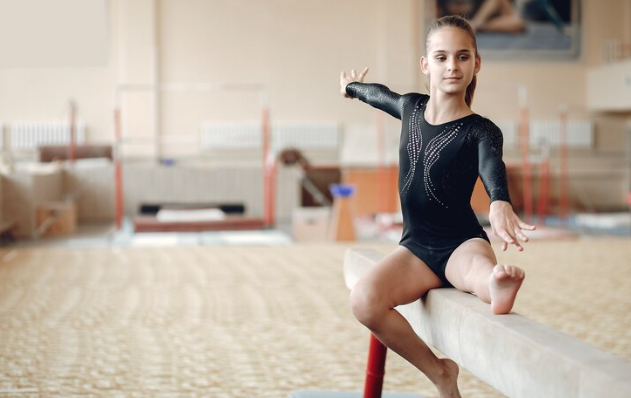
Starting gymnastics at home is an achievable and rewarding goal for beginners. By creating a safe space, practicing basic moves, and maintaining a steady routine, you’ll build a solid foundation for more advanced skills.
Remember to warm up, stretch daily, and strengthen your body with simple exercises. Be patient, stay consistent, and enjoy the process. Over time, you’ll notice improvements in your balance, strength, and confidence making your home gymnastics journey both fun and fulfilling.
Embark on your gymnastics adventure today and watch yourself grow stronger, more flexible, and more confident every step of the way!