How to Spot a Rug Pull Before You Invest in New Crypto
New cryptocurrencies appear almost every day. Some introduce useful technology, while others are created mainly to attract investors and take their money.
One of the biggest risks in this market is a rug pull.
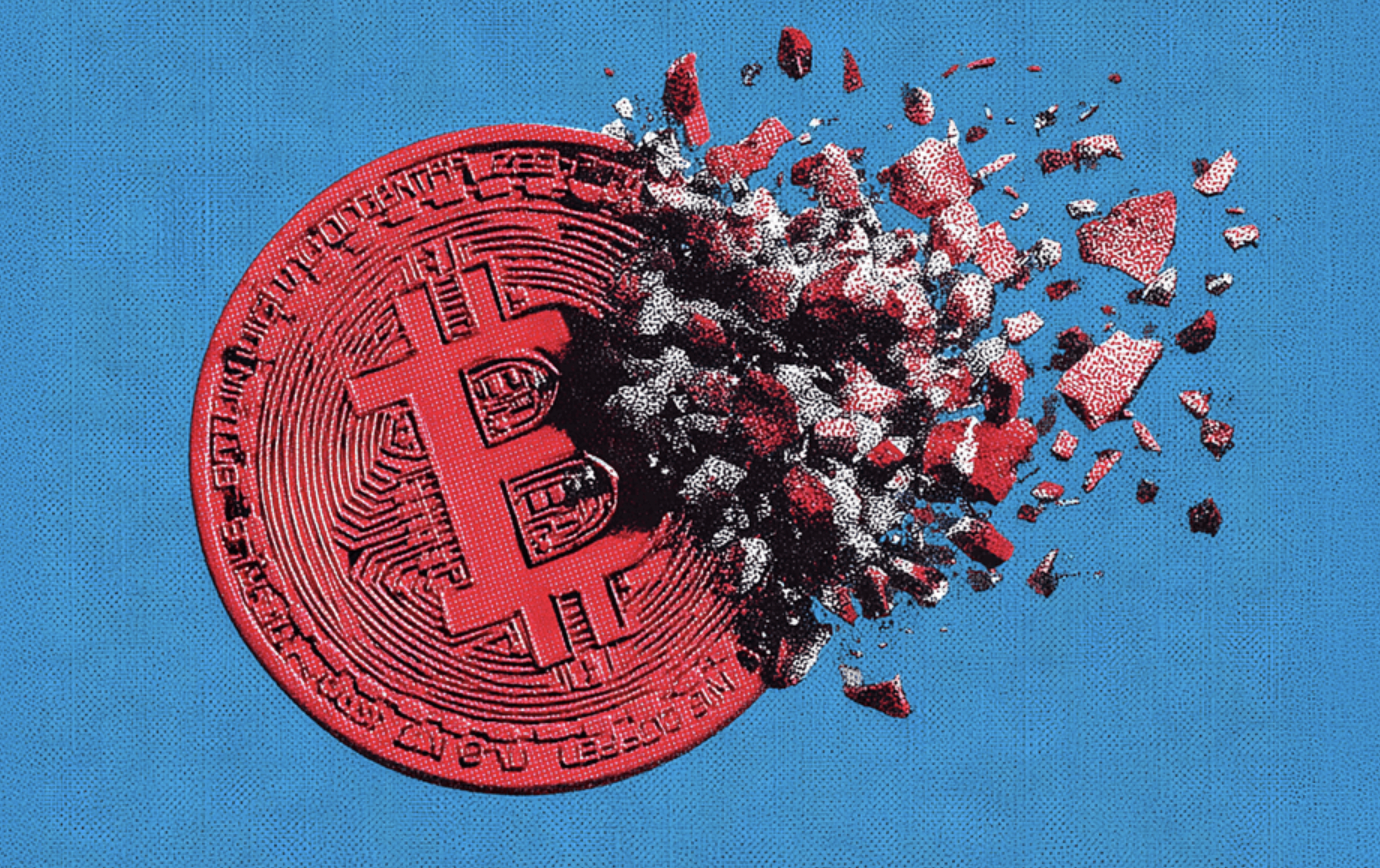
A rug pull happens when people behind a crypto project suddenly remove liquidity, sell their holdings, abandon the project, or otherwise make it difficult for investors to recover their money. The project may look legitimate before the collapse, which makes these scams particularly dangerous for beginners.
The good news is that you can reduce your risk by doing basic research before buying.
There is no perfect method for predicting whether a crypto project will fail or become fraudulent. However, several warning signs can help you identify projects that deserve much more scrutiny.
What Is a Crypto Rug Pull?
A crypto rug pull is a type of cryptocurrency scam in which project insiders or developers take advantage of investors and then disappear or severely damage the project’s value.
A common scenario looks like this:
- A new token is launched.
- Developers create excitement around the project.
- Influencers or community members promote it.
- Investors begin buying the token.
- The token’s price rises.
- Insiders sell large amounts or remove liquidity.
- The price collapses.
- Investors are left with tokens that may have little or no practical value.
Rug pulls are especially common among new, speculative tokens because investors may have very little reliable information to evaluate.
Why Are Rug Pulls So Difficult to Spot?
Not all scams initially appear suspicious; some can seem completely legitimate at first glance.
Fraudulent projects can have:
- Professional websites
- Attractive logos
- Active social media accounts
- Large online communities
- Influencer promotions
- Detailed-looking whitepapers
- Roadmaps
- Promises of future products
These things can create an appearance of legitimacy without proving that the underlying project is trustworthy.
That is why investors should look beyond marketing.
Check Who Is Behind the Project
Start by researching the team.
Ask:
- Are the founders publicly identified?
- Do they have verifiable professional histories?
- Have they worked on legitimate projects before?
- Can their claims be independently verified?
- Are experienced developers actually involved?
Anonymous developers do not automatically mean a project is a scam. Some legitimate crypto projects have anonymous contributors.
However, anonymity can make accountability more difficult.
If a project asks you to risk significant money while providing almost no information about the people controlling it, that should increase your caution.
Examine the Token Distribution
Look at who owns the token.
If a small number of wallets control a very large percentage of the total supply, the project may have significant concentration risk.
A large holder could potentially sell a substantial amount of tokens and cause extreme price pressure.
Before investing, investigate:
- Top token holders
- Developer wallets
- Team allocations
- Locked tokens
- Vesting schedules
- Treasury holdings
Do not assume that a large community automatically means the token is widely distributed.
Check Liquidity
Liquidity is one of the most important areas to investigate when evaluating a new token.
Liquidity allows people to buy and sell an asset without causing extreme price movements.
If a project has very limited liquidity, even a relatively small transaction can cause a large price change.
More importantly, investors should understand whether liquidity is locked, how long it is locked for, and who controls it.
A project claiming that its liquidity is “locked” should provide verifiable information rather than simply making the claim.
Look at the Smart Contract
The smart contract controls important aspects of many crypto tokens.
For technically capable investors, reviewing the contract can reveal potentially dangerous functions.
Warning signs may include the ability to:
- Prevent certain wallets from selling
- Change transaction fees unexpectedly
- Mint large quantities of tokens
- Blacklist addresses
- Pause transfers
- Restrict trading
- Change important contract settings
You do not necessarily need to understand every line of code yourself.
A reputable independent security audit can provide useful information, although an audit should never be treated as a guarantee that a project is safe.
Beware of Extremely High Returns
Promises of enormous or guaranteed returns should immediately increase your skepticism.
Be careful with claims such as:
- “Guaranteed 100x”
- “Risk-free profits”
- “Guaranteed passive income”
- “Buy before everyone else”
- “You cannot lose”
- “The next Bitcoin”
Legitimate investments involve uncertainty.
A project that focuses heavily on guaranteed wealth rather than explaining its technology, business model, risks, and limitations deserves additional scrutiny.
Investigate the Project’s Real Use Case
Ask a simple question:
What problem does this project actually solve?
A legitimate project should be able to explain its purpose clearly.
Look for evidence of:
- A working product
- Real users
- Active development
- Clear documentation
- Meaningful partnerships
- Consistent progress
Just because an explanation is complex doesn’t mean the technology itself is useful or worth it.
Sometimes a project uses technical language to make a weak idea sound sophisticated.
Read the Whitepaper Carefully
A whitepaper can help explain a project’s purpose, technology, token economics, and roadmap.
But do not assume that having a whitepaper proves legitimacy.
Look for specific information about:
- The problem being addressed
- How the technology works
- Token utility
- Token distribution
- Development plans
- Governance
- Risks
- Team responsibilities
Be cautious if the document is mostly marketing language and contains few verifiable technical details.
Examine the Tokenomics
Tokenomics describes how a cryptocurrency’s token system is structured.
Pay attention to:
- Total supply
- Circulating supply
- Team allocation
- Investor allocation
- Token unlock schedules
- Treasury reserves
- Community allocation
- Token utility
A project may appear to have a small market capitalization while holding a huge amount of tokens that have not yet entered circulation.
Future token unlocks can create additional selling pressure.
Watch for Fake Partnerships
Partnership claims can make a new project appear more credible.
However, do not assume every logo displayed on a website represents a genuine partnership.
Look for confirmation from the alleged partner.
If a project claims to work with a major company, check whether that company publicly confirms the relationship through its own official channels.
Do not rely solely on the crypto project’s website.
Be Careful With Influencers
Influencer promotion is not proof of investment quality.
A social media personality may promote a token because of sponsorship, affiliate arrangements, personal holdings, or other incentives.
Before trusting a promotion, ask:
Would this person still recommend the project if they were not being paid?
You may never know the answer.
Treat influencer content as marketing unless you can independently verify the claims.
Check the Community
A large social media community can look impressive.
But follower numbers can be misleading.
Some projects may use:
- Purchased followers
- Bots
- Fake engagement
- Coordinated promotional campaigns
- Artificial comments
Look at the quality of discussions instead.
Do community members ask difficult questions?
Are negative comments immediately removed?
Do moderators provide evidence when challenged?
A community that refuses to discuss risks can be a warning sign.
Watch for Pressure to Buy Quickly
Scammers often create urgency.
You may see messages such as:
- “Only 30 minutes left!”
- “Last chance!”
- “Presale ending today!”
- “Price will explode tomorrow!”
- “Whales are buying now!”
The purpose is to encourage you to act before you have time to investigate.
A strong investment decision should not depend on panic or fear of missing out.
If someone is pressuring you to send money immediately, slow down.
Verify the Contract Address
One surprisingly common problem is buying the wrong token.
Scammers may create tokens with names and symbols that look almost identical to legitimate projects.
Always verify the contract address using a trusted official source.
Do not copy an address from a random social media comment or private message.
Once you send cryptocurrency to the wrong address or interact with a malicious contract, recovering the funds may be extremely difficult or impossible.
Look for Independent Information
Do not conduct your research entirely through the project’s own website.
Search for information from independent sources.
Look for:
- Security research
- Developer activity
- Blockchain data
- Independent reviews
- Community discussions
- Reputable crypto publications
- Contract analysis
You should also search the project’s name alongside terms such as “scam,” “audit,” “exploit,” “contract,” and “review.”
Negative information does not automatically prove fraud, but it can reveal issues worth investigating.
Understand That Audits Are Not Guarantees
Security audits can be useful, but investors sometimes misunderstand what an audit means.
An audit generally evaluates specific aspects of a smart contract or system at a particular point in time.
It does not necessarily prove that:
- The founders are honest
- The business model will succeed
- The token will increase in value
- The project will not change its code
- The team will not abandon the project
Think of an audit as one piece of due diligence rather than a safety certificate.
Watch Developer Activity
If the project claims to be developing technology, look for evidence of ongoing development.
Depending on the project, this could include:
- Code updates
- Product releases
- Technical documentation
- Development announcements
- Testnet activity
- Bug fixes
A project does not need constant public code updates to be legitimate, but unexplained inactivity can be worth investigating.
Never Invest More Than You Can Afford to Lose
Even after extensive research, a cryptocurrency can fail.
A project can experience:
- Technical problems
- Hacks
- Regulatory changes
- Liquidity problems
- Market crashes
- Failed development
- Poor adoption
Therefore, research should reduce avoidable risk, not create a false sense of certainty.
Only risk money that you can genuinely afford to lose.
A Simple Rug Pull Checklist
Before investing in a new cryptocurrency, ask:
Team
- Who created it?
- Can their backgrounds be verified?
Token
- Who owns most of the supply?
- Are team tokens locked?
Liquidity
- How much liquidity exists?
- Is it locked?
- Who controls it?
Contract
- Has the smart contract been reviewed?
- Can developers change important settings?
Product
- Does a real product exist?
- Are people actually using it?
Tokenomics
- How are tokens distributed?
- Are large unlocks coming?
Marketing
- Are influencers making unrealistic claims?
- Is the project creating artificial urgency?
Community
- Are difficult questions answered honestly?
- Does the community look genuine?
Security
- Are there independent audits or security reviews?
- Have previous vulnerabilities been disclosed?
If you cannot find clear answers, consider that a reason to pause rather than a reason to invest.
Red Flags That Should Make You Stop
Some warning signs deserve immediate attention.
Exercise great caution if you notice multiple warning signs or suspicious indicators happening at the same time:
- Anonymous or unverifiable team
- Guaranteed profits
- Extreme urgency
- No clear use case
- Concentrated token ownership
- Unclear liquidity arrangements
- Suspicious smart-contract permissions
- Fake-looking partnerships
- Heavy influencer promotion
- No meaningful product
- Pressure to send funds privately
- Poor documentation
- Unexplained developer inactivity
One red flag does not automatically prove a project is fraudulent.
But multiple red flags should make you seriously reconsider the investment.
What to Do If You Already Invested
If you are worried that a token you purchased may be a rug pull, do not panic.
First, stop making additional purchases until you understand what is happening.
Review:
- The contract address
- Token-holder distribution
- Liquidity
- Recent developer activity
- Official announcements
- Transaction history
Be particularly careful with anyone who contacts you privately claiming they can recover your funds.
Never give strangers your private keys or recovery phrase.
Conclusion
Learning how to spot a rug pull before investing can help you avoid some of the most common dangers in the cryptocurrency market.
The key is to slow down.
Do not invest simply because a token is trending, an influencer recommends it, or someone promises extraordinary returns.
Research the team. Examine token distribution. Check liquidity. Understand the smart contract. Investigate the product and tokenomics. Verify partnerships and contract addresses. Look for independent information.
Most importantly, remember that missing an investment opportunity is usually less costly than losing money to a scam.
There is no checklist that can guarantee a cryptocurrency is safe. But careful research, skepticism, and sensible risk management can significantly improve your chances of avoiding obvious warning signs.
FAQ’s
1. What is a rug pull in crypto?
A rug pull is a scam or exploitative exit in which project insiders take advantage of investors, often by removing liquidity, selling large token holdings, or abandoning the project.
2. How can I tell if a crypto project is a scam?
Look for multiple warning signs, including anonymous teams, unrealistic profit promises, concentrated token ownership, suspicious contract permissions, unclear liquidity, fake partnerships, and aggressive pressure to invest quickly.
3. Does a crypto audit guarantee that a project is safe?
No. An audit can identify certain smart-contract issues, but it does not guarantee honest founders, successful development, future security, or investment returns.
4. Can a new cryptocurrency be legitimate if the founders are anonymous?
Yes. Some legitimate crypto projects have anonymous contributors. However, anonymity can make accountability and due diligence more difficult, so investors should consider the project’s other evidence carefully.
5. What should I do before buying a new crypto token?
Research the team, product, tokenomics, liquidity, contract permissions, holder distribution, development activity, security reviews, and independent information before investing.
6. Can I completely avoid rug pulls?
No. Cryptocurrency investments carry substantial risk, and no research method can guarantee that a project will not fail or become fraudulent. The goal is to identify warning signs and avoid unnecessary risks.