
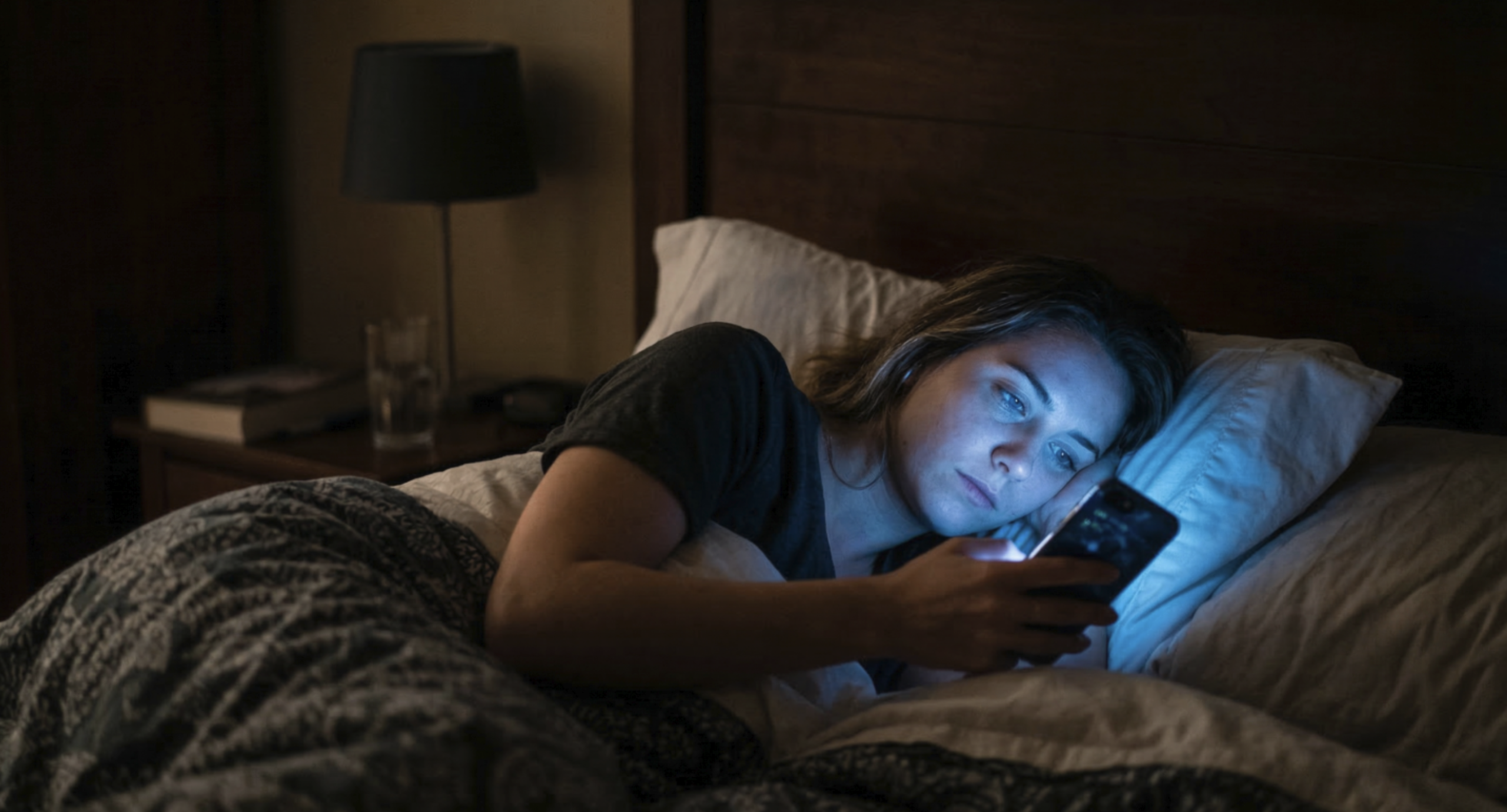
How Does Blue Light From Screens Affect Your Eyes and Sleep?
From checking emails in the morning to scrolling through social media before bed, screens have become a constant part of daily life. Smartphones, laptops, tablets, televisions, and gaming devices all emit blue light, leading many people to wonder whether it is harmful.
You’ve probably heard claims that blue light permanently damages your eyes or that wearing blue light glasses is the only solution. The reality is more balanced. Blue light itself isn’t inherently bad. In fact, natural blue light from the sun helps regulate your body’s internal clock and keeps you alert during the day. However, prolonged exposure to artificial blue light from digital devices, especially at night, can contribute to eye discomfort and interfere with healthy sleep patterns.
In this guide, you’ll learn what blue light is, how it affects your eyes and sleep, common myths, and practical ways to reduce its impact without giving up your favorite devices.
What Is Blue Light?
Blue light is part of the visible light spectrum, with wavelengths ranging from approximately 380 to 500 nanometers. It carries more energy than many other visible colors because of its shorter wavelength.
Blue light comes from several sources, including:
- Sunlight
- Smartphones
- Tablets
- Laptop and desktop monitors
- LED televisions
- LED light bulbs
- Gaming consoles
Natural sunlight remains the largest source of blue light exposure. During the day, blue light plays an important role in helping you stay awake, improving mood, and supporting concentration. Problems are more likely to arise when you’re exposed to bright screens for long periods, particularly in the evening.
Does Blue Light Damage Your Eyes?
One of the biggest concerns is whether blue light permanently harms your eyesight.
Current scientific evidence suggests that the amount of blue light emitted by phones, tablets, and computer screens is not considered strong enough to cause permanent damage to healthy eyes during normal use.
However, that doesn’t mean long hours in front of screens are harmless.
Many people experience digital eye strain, also known as computer vision syndrome, after extended screen use. This discomfort is often caused by focusing on screens for long periods rather than blue light alone.
Common symptoms include:
- Dry eyes
- Blurred vision
- Eye fatigue
- Headaches
- Burning or irritated eyes
- Difficulty focusing
- Neck and shoulder pain from poor posture
These symptoms are usually temporary and improve after taking breaks or reducing screen time.
How Blue Light Affects Your Sleep
Exposure to blue light significantly impacts your sleep patterns more than it affects your eyesight.
Your body’s internal clock, known as the circadian rhythm, governs your wakefulness and sleepiness over a 24-hour cycle.
As evening approaches, your brain produces a hormone called melatonin, which signals that it’s time to sleep.
Bright blue light from screens can reduce melatonin production, making it harder to:
- Fall asleep
- Stay asleep
- Reach deep, restorative sleep
- Wake up feeling refreshed
Staying on your phone or computer late into the night can deceive your brain into believing it’s still daytime. As a result, you may stay awake longer than intended and experience poorer sleep quality.
Who Is Most Affected by Blue Light?
Although anyone can experience eye strain or sleep disruption, some people are more likely to notice the effects.
These include:
Office Workers
People who spend eight or more hours working on computers often develop eye fatigue and dryness.
Students
Students frequently switch between online learning, homework, and entertainment, leading to prolonged screen exposure.
Gamers
Long gaming sessions often continue late into the night, increasing exposure to bright screens before bedtime.
Children and Teenagers
Nowadays, younger generations are dedicating unprecedented amounts of time to digital screens. Evening screen use may affect sleep schedules, especially during school days.
Remote Workers
Video meetings, emails, and digital collaboration tools can significantly increase daily screen time.
Signs You May Be Experiencing Digital Eye Strain
If you regularly use digital devices, watch for these common symptoms:
- Dry or watery eyes
- Frequent headaches
- Difficulty focusing after screen use
- Light sensitivity
- Tired eyes
- Blurred vision
- Neck and shoulder discomfort
- Needing to rub your eyes often
If symptoms persist despite reducing screen time and taking breaks, consult an eye care professional for an evaluation.
Practical Ways to Protect Your Eyes
Fortunately, you don’t have to stop using your devices. Implementing a handful of simple, healthy habits can lead to significant improvements.
Follow the 20-20-20 Rule
One of the simplest ways to reduce eye strain is the 20-20-20 rule.
Every 20 minutes:
- Look at something about 20 feet away
- For at least 20 seconds
This gives your eye muscles a chance to relax.
Blink More Often
People naturally blink less when looking at screens.
Blinking keeps your eyes moist and comfortable. Make a conscious effort to blink regularly during long work sessions.
Adjust Screen Brightness
A screen that is much brighter or darker than your surroundings forces your eyes to work harder.
Maintain screen brightness at a comfortable level and modify it according to your surroundings.
Increase Text Size
Avoid squinting by increasing font sizes and zoom levels.
Comfortable reading reduces unnecessary eye strain.
Position Your Monitor Correctly
For desktop work:
- Keep the screen about an arm’s length away.
- Ensure your screen’s top edge is aligned with or just below your eye line for better comfort.
- Reduce glare from windows or overhead lighting.
Proper ergonomics also help prevent neck and shoulder pain.
Keep Your Eyes Hydrated
If your eyes feel dry:
- Drink enough water.
- Consider using artificial tears if recommended by an eye care professional.
- Avoid sitting directly in front of fans or air vents.
How to Reduce Blue Light Exposure Before Bed
Improving your evening routine can significantly benefit your sleep.
Enable Night Mode
Most smartphones, tablets, and computers offer built-in features that reduce blue light by making the screen warmer in color.
Examples include:
- Night Shift (Apple)
- Night Light (Windows)
- Bedtime Mode (Android)
These settings are easy to schedule automatically.
Reduce Screen Time Before Sleep
Try to avoid screens for at least 30 to 60 minutes before bedtime whenever possible.
Instead, consider activities such as:
- Reading a printed book
- Listening to relaxing music
- Gentle stretching
- Meditation
- Journaling
Lower Screen Brightness
Dimmer screens generally produce less intense light, making them less disruptive during the evening.
Keep Your Bedroom Dark
A dark sleeping environment supports natural melatonin production and better sleep quality.
Do Blue Light Glasses Really Work?
Blue light glasses have become increasingly popular, but are they necessary?
Some people report that these glasses reduce eye fatigue and make screen use more comfortable, particularly during long workdays.
However, current research suggests that the primary causes of digital eye strain are:
- Long periods of near focusing
- Reduced blinking
- Poor lighting
- Improper screen positioning
Blue light glasses may help certain individuals, especially when used in the evening, but they are not a replacement for healthy screen habits.
If you’re considering purchasing a pair, think of them as one possible tool rather than a complete solution.
Common Myths About Blue Light
Myth 1: Blue light from screens causes blindness.
There is currently no strong scientific evidence that normal exposure to blue light from digital screens causes blindness.
Myth 2: Blue light is always harmful.
False. Natural blue light from sunlight helps regulate your sleep-wake cycle and supports alertness during the day.
Myth 3: Blue light glasses solve every screen problem.
While they may help some people, taking regular breaks, maintaining proper posture, and limiting nighttime screen use are often more effective.
Myth 4: Only computer users are affected.
Anyone who spends long periods using smartphones, tablets, gaming consoles, or televisions can experience digital eye strain.
Healthy Screen Habits for Everyday Life
Protecting your eyes doesn’t require major lifestyle changes.
Here are some easy daily habits you can adopt to protect your eyes and improve overall well-being:
- Take regular screen breaks.
- Blink more often.
- Keep screens clean.
- Use comfortable lighting.
- Limit late-night device use.
- Sleep for seven to nine hours each night.
- Get regular eye examinations.
- Spend time outdoors during daylight hours.
Small adjustments made consistently can improve both eye comfort and sleep quality over time.
Final Thoughts
Blue light from screens has become a regular part of modern life, but it isn’t something you need to fear. While current evidence does not show that everyday screen use causes permanent eye damage in healthy individuals, spending long hours looking at digital devices can lead to eye strain and may interfere with your sleep, especially when screens are used late at night.
The best approach is to build healthy digital habits. Take frequent breaks, adjust your screen settings, maintain good posture, and reduce screen exposure before bedtime. These practical steps can help you stay comfortable during the day and enjoy more restful sleep at night.
Technology isn’t disappearing, and embracing it can be beneficial rather than harmful. By using your devices more mindfully, you can protect your eye comfort and support your overall well-being.
Frequently Asked Questions
1. Does blue light from phones damage your eyes?
Current research indicates that the amount of blue light emitted by smartphones and other digital devices is not considered sufficient to cause permanent eye damage during normal use. Nonetheless, extended periods in front of screens may lead to digital eye discomfort or fatigue.nged screen time can contribute to digital eye strain.
2. Can blue light affect sleep quality?
Yes. Evening exposure to blue light may reduce melatonin production, making it more difficult to fall asleep and affecting overall sleep quality.
3. Are blue light glasses worth buying?
Blue light glasses may help some people feel more comfortable during extended screen use, but they are not a substitute for healthy habits like taking breaks, blinking regularly, and limiting screen time before bed.
4. What is the 20-20-20 rule?
The 20-20-20 rule recommends looking at something about 20 feet away for 20 seconds every 20 minutes to help reduce digital eye strain.
5. Should I use Night Mode on my phone?
Yes. Night Mode reduces the amount of blue light emitted by your screen and may be especially helpful when using devices in the evening.
6. How can I reduce eye strain while working on a computer?
Follow the 20-20-20 rule, keep your monitor at a comfortable distance, adjust screen brightness, blink frequently, maintain proper posture, and take regular breaks throughout the day.