What Is Granular Privacy Control in Smart Homes and Why It Matters
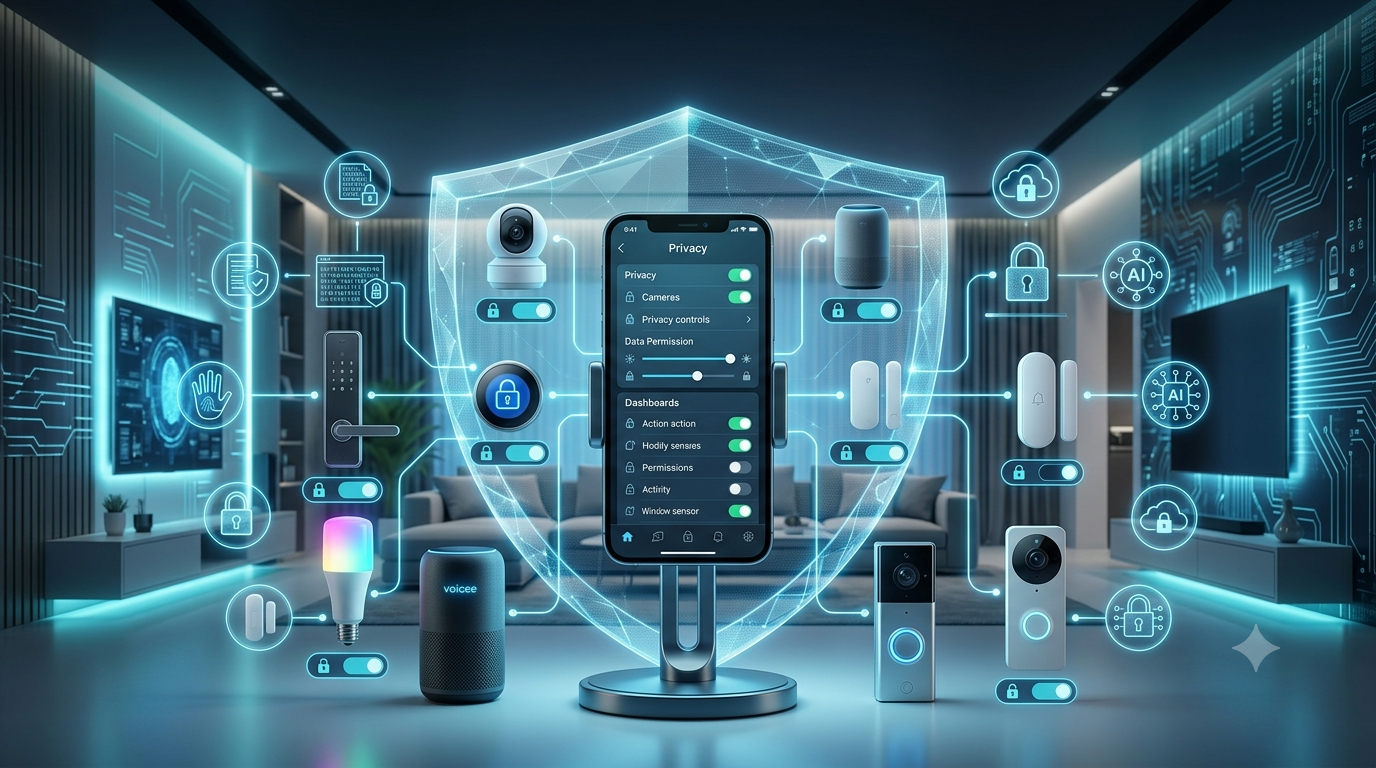
Smart homes have changed the way people live. Today, devices such as smart speakers, security cameras, door locks, thermostats, and smart TVs can communicate with each other and automate daily tasks. While these technologies offer convenience, they also collect huge amounts of personal data.
Many users are concerned about who can access their information, how their data is used, and whether their conversations and activities are truly private. This is where granular privacy control becomes important.
Granular privacy control gives homeowners detailed control over what information their smart devices collect, store, and share. Instead of accepting a single privacy setting for all devices, users can customize permissions for each device and feature.
In this article, you’ll learn what granular privacy control is, how it works, and why it matters in modern smart homes.
What Is Granular Privacy Control?
Granular privacy control is a privacy system that allows users to manage permissions at a very detailed level.
Rather than granting a smart-home gadget unrestricted access to all your information, you have the option to specify which data it can retrieve and utilize.
For example, you may allow a smart speaker to:
- Play music
- Set alarms
- Control lights
But you may prevent it from:
- Recording conversations
- Sharing data with third parties
- Tracking your location
This level of control helps users protect their personal information.
Why Smart Homes Need Better Privacy Controls
Modern smart homes contain dozens of connected devices, including:
- Smart speakers
- Security cameras
- Smart locks
- Smart thermostats
- Smart TVs
- Motion sensors
- Video doorbells
These devices collect data such as:
- Voice recordings
- Location information
- Usage patterns
- Camera footage
- Wi-Fi activity
- Device history
Without proper privacy controls, this information could be misused or exposed.
How Granular Privacy Control Works
Granular privacy control allows users to customize permissions for each device and feature.
Common settings include:
Microphone Access
Users can decide when a device can listen to voice commands.
Camera Permissions
Smart cameras can be restricted to specific times or rooms.
Location Sharing
Users can disable location tracking for selected devices.
Data Storage Options
Homeowners now have the choice to keep their data stored on local devices or upload it securely to remote cloud servers.
Third-Party Access
Users can decide which apps and services can access their smart-home data.
Examples of Granular Privacy Controls in Smart Homes
Here are some real-world examples:
Smart Speaker Controls
You can allow voice commands but block voice recordings from being stored online.
Security Camera Restrictions
You can disable cameras in private areas or set recording schedules.
Smart Lock Permissions
Temporary access can be granted to guests without giving permanent control.
Smart TV Data Settings
Users can limit viewing-history tracking and targeted advertising.
Why Granular Privacy Control Matters
Granular privacy control provides several important benefits.
Better Data Protection
Users decide exactly what data is collected.
More Transparency
People understand how their information is used.
Improved Security
Limiting access reduces cybersecurity risks.
Greater Trust
Consumers are more likely to adopt smart-home technologies when they feel secure.
Personalized Privacy
Different family members can have different privacy settings.
The Risks of Poor Privacy Settings
Without granular privacy controls, smart homes face several risks.
These include:
- Data breaches
- Identity theft
- Unauthorized surveillance
- Location tracking
- Third-party data sharing
- Targeted advertising abuse
Poor privacy management can expose sensitive information.
Smart Devices That Benefit Most From Granular Privacy Controls
Although all connected devices can benefit, some require stronger privacy settings.
These include:
- Smart speakers
- Indoor security cameras
- Video doorbells
- Smart locks
- Baby monitors
- Smart TVs
- Home assistants
These devices often collect the most sensitive data.
Local Storage vs. Cloud Storage
Privacy controls often include storage options.
Local Storage
Data remains inside your home network.
Advantages:
- Better privacy
- Faster access
- Reduced cloud dependency
Cloud Storage
Data is stored on remote servers.
Advantages:
- Easy remote access
- Automatic backups
- More storage capacity
Many users prefer a combination of both options.
How Artificial Intelligence Affects Smart-Home Privacy
Artificial intelligence is making smart homes more intelligent, but it also increases privacy concerns.
AI systems can analyze:
- Voice commands
- Daily routines
- Energy usage
- Viewing habits
- Security footage
Granular privacy controls allow users to limit how AI systems access and process this information.
How to Improve Privacy in Your Smart Home
You can strengthen your privacy by following these tips:
- Change default passwords.
- Enable two-factor authentication.
- Review privacy settings regularly.
- Disable unnecessary permissions.
- Update devices frequently.
- Limit third-party integrations.
- Use local storage when possible.
Small changes can significantly improve privacy.
The Future of Smart-Home Privacy
As smart homes become more advanced, privacy will become even more important.
Future developments may include:
- AI-powered privacy management
- Automatic permission controls
- Stronger encryption
- Better local processing
- More transparent data policies
Manufacturers are increasingly focusing on giving users greater control over their personal data.
Conclusion
Granular privacy control is transforming the way people manage smart homes. Instead of giving devices unlimited access to personal information, users can decide exactly what data is collected, stored, and shared.
As the adoption of interconnected devices in households increases, having comprehensive privacy controls will be crucial for safeguarding personal data and establishing confidence in smart-home technology.
The future of smart homes is not just about convenience—it’s also about giving users complete control over their privacy.
FAQ’s
1. What is granular privacy control?
Granular privacy control allows users to customize exactly what data smart-home devices can access and share.
2. Why is granular privacy important in smart homes?
It protects personal information and reduces the risk of data misuse and cyberattacks.
3. Which smart-home devices need privacy controls?
Smart speakers, cameras, smart locks, smart TVs, and video doorbells need strong privacy settings.
4. Can granular privacy controls improve security?
Yes. Restricting device permissions helps reduce cybersecurity risks and protects sensitive data.