Dental Attrition: Top Causes, Signs & Effective Treatments
Introduction to Dental Attrition
Dental health is often overlooked, yet it plays a crucial role in our overall well-being. One common concern that can significantly affect your smile and oral function is dental attrition. This condition refers to the gradual wear of tooth enamel due to various factors, leading to sensitivity or discomfort. Understanding dental attrition not only helps you recognize its symptoms but also empowers you with knowledge about its causes and potential treatments.
Whether you’re curious about prevention methods or looking for effective treatment options, this guide will provide valuable insights into keeping your teeth healthy and strong.
Common Symptoms of Dental Attrition
Dental attrition can manifest in several noticeable ways. One of the first signs is a change in your bite. You may feel discomfort or unevenness when chewing.
Sensitivity to hot and cold foods often accompanies this condition. Your teeth might react painfully to temperatures that previously didn’t bother you.
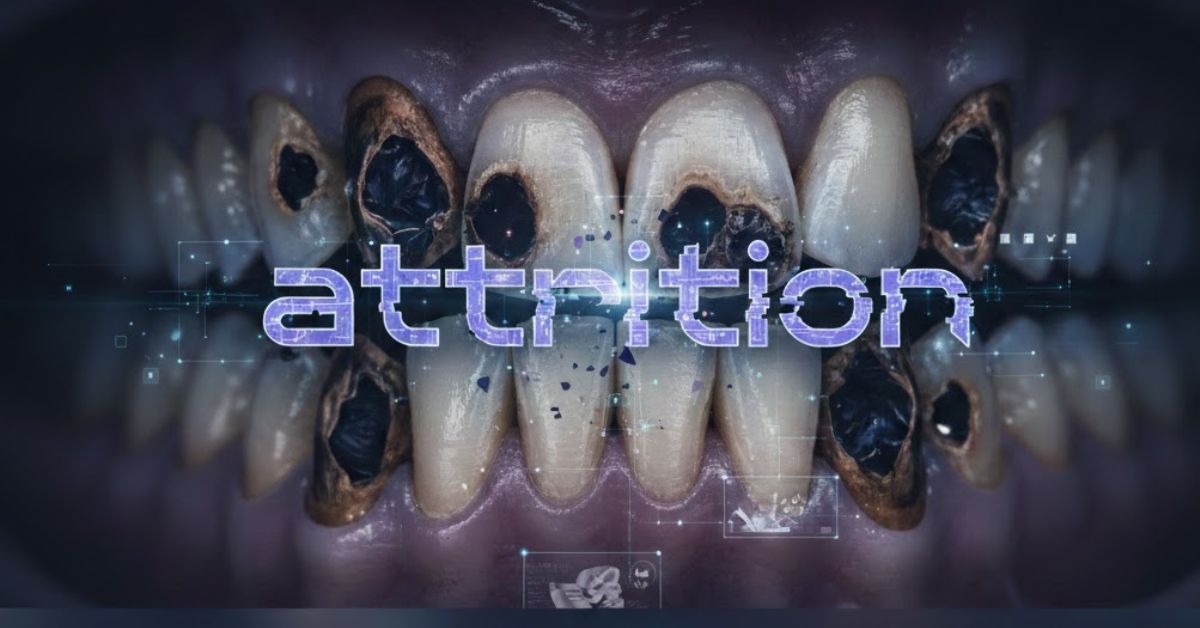
Worn-down enamel could lead to visible changes in tooth appearance as well. This wear may result in flattened edges or even chips, making your smile less vibrant.
You might also experience frequent headaches or jaw pain if grinding is involved, which often ties into dental attrition.
Pay attention to any unusual sounds when you chew, like clicking or popping noises from your jaw joints. These symptoms shouldn’t be ignored as they indicate underlying issues that need addressing promptly.
READ MORE: Runlia: Transform Your Fitness with Smart Innovation
Causes of Dental Attrition
Dental attrition can stem from various factors that affect tooth wear over time.
One of the primary causes is bruxism, a condition where individuals grind or clench their teeth. This often occurs during sleep and can significantly accelerate tooth wear.
Another contributing factor is an improper bite. Misalignment puts undue pressure on certain teeth, leading to uneven wear patterns.
Diet also plays a critical role. Consuming highly acidic foods and beverages erodes enamel, making teeth more susceptible to attrition.
Additionally, age influences dental health. As we get older, our enamel naturally thins, increasing the risk of attrition-related issues.
Certain habits like chewing on hard objects or using teeth as tools can exacerbate this problem too. Understanding these causes is vital for effective prevention and management strategies in maintaining oral health.
Prevention Methods for Dental Attrition
Preventing dental attrition is essential for maintaining your oral health. One of the most effective methods is to wear a mouthguard, especially if you grind your teeth at night or during intense physical activities. This simple device acts as a buffer between your upper and lower teeth.
Regular dental check-ups also play a crucial role. Your dentist can identify early signs of wear and recommend tailored strategies to mitigate further damage.
Another key aspect involves practicing good oral hygiene. Brushing with fluoride toothpaste helps strengthen enamel, while flossing removes food particles that could lead to additional wear.
Diet choices matter too. Reducing acidic foods and beverages can limit enamel erosion, preserving the integrity of your teeth over time. Additionally, staying hydrated promotes saliva production, which naturally protects against decay and abrasion.
Mindful habits like avoiding excessive gum chewing or using your teeth as tools can significantly reduce the risk of attrition in daily life.
Treatment Options for Dental Attrition
When it comes to treating dental attrition, several effective options are available. Dentists often recommend custom-made mouthguards for patients who grind their teeth at night. These devices protect against further wear.
For those with noticeable enamel loss, dental bonding can restore the tooth’s shape and function. This procedure involves applying a composite resin that matches your natural teeth color.
In more severe cases, crowns might be necessary. Crowns cover damaged teeth entirely, offering robust protection while also enhancing aesthetics.
Regular professional cleanings play a crucial role in treatment as well. They help maintain oral health and monitor any changes in wear patterns.
If you experience significant pain or discomfort due to attrition, pain management strategies may be implemented to enhance your quality of life during treatment.
Lifestyle Changes to Reduce Risk of Dental Attrition
Making simple lifestyle changes can significantly reduce the risk of dental attrition. First, consider moderating your intake of acidic foods and beverages. Citrus fruits, soda, and wine can wear down enamel over time.
Incorporate a balanced diet rich in calcium and phosphorus to strengthen your teeth. Foods such as dairy products, nuts, and leafy greens help maintain oral health.
Stay hydrated by drinking plenty of water throughout the day. This not only aids saliva production but also helps wash away food particles that may contribute to wear on your teeth.
Moreover, managing stress levels is crucial. High-stress situations often lead to teeth grinding or clenching at night. Practices like yoga or meditation can be beneficial for reducing overall tension.
Maintaining regular dental check-ups ensures any early signs of attrition are addressed promptly before they escalate into more significant issues.
Conclusion
Dental attrition can significantly impact your oral health and quality of life. Understanding its symptoms, causes, and treatments is essential for effective management. By recognizing the signs early on—like tooth wear and sensitivity—you can take proactive measures to address it.
The key is awareness. Common causes range from bruxism to dietary choices that accelerate wear on teeth. Prevention methods, such as using mouthguards or modifying habits, are crucial in minimizing risk.
If you’re experiencing dental attrition, various treatment options are available. From restorative dentistry to lifestyle adjustments, there’s a path forward tailored for you.
Adopting healthier habits not only promotes better dental health but also contributes positively to overall well-being. Emphasizing preventive care will help safeguard your smile against future attrition-related issues.
Taking charge of your dental health today can pave the way for a brighter tomorrow with a confident smile.