How to Buy Bitcoin Safely: A Beginner’s Step-by-Step Guide
Bitcoin has grown from a little-known digital experiment into one of the world’s most recognized cryptocurrencies. Millions of people now own Bitcoin as part of their investment portfolios, while others use it to transfer value across borders or explore the broader world of digital assets.
For many beginners, purchasing Bitcoin for the first time can seem overwhelming. New investors often worry about scams, hacking risks, fake exchanges, and losing access to their funds. These concerns are valid because cryptocurrency transactions are different from traditional banking. After completing a purchase, it’s usually impossible to undo the transaction.
The good news is that buying Bitcoin safely is easier than ever when you follow proven security practices. With the right approach, you can reduce risks and confidently make your first Bitcoin purchase.
This beginner-friendly guide explains exactly how to buy Bitcoin safely, step by step, while avoiding common mistakes that many first-time buyers make.
What Is Bitcoin?
Bitcoin is a decentralized digital currency that operates without a central bank or government controlling it.
Created in 2009, Bitcoin uses blockchain technology, a distributed ledger that records transactions across a network of computers worldwide.
Unlike traditional currencies, Bitcoin:
- Exists only digitally
- Has a limited supply of 21 million coins
- Can be transferred globally
- Operates 24 hours a day
- Is not controlled by a single organization
People buy Bitcoin for various reasons, including investment, diversification, long-term savings, and participation in the growing cryptocurrency ecosystem.
Why Safety Matters When Buying Bitcoin
Unlike traditional bank accounts, cryptocurrency transactions place more responsibility on the user.
If you make a mistake, fall for a scam, or lose access to your wallet, recovering funds may be difficult or impossible.
Common risks include:
- Fake cryptocurrency websites
- Fraudulent investment schemes
- Phishing attacks
- Exchange hacks
- Weak account security
- Lost wallet credentials
Fortunately, most of these risks can be avoided through careful planning and good security habits.
Step 1: Learn the Basics Before Investing
Before purchasing Bitcoin, spend time understanding how cryptocurrency works.
You don’t need to become a blockchain expert, but you should understand:
- What Bitcoin is
- How blockchain technology works
- Market volatility
- Basic security principles
- Cryptocurrency wallets
- Risks involved
One of the biggest mistakes beginners make is investing money without understanding the asset they’re buying.
Knowledge is your first layer of protection.
Step 2: Choose a Reputable Cryptocurrency Exchange
A cryptocurrency exchange is an online platform where you can trade, buy, and store digital currencies securely.
Choosing a trustworthy exchange is one of the most important decisions you’ll make.
Look for exchanges that offer:
- Strong security measures
- Regulatory compliance
- Transparent fees
- Positive reputation
- Customer support
- Two-factor authentication
When researching exchanges, read recent reviews and verify that you’re visiting the platform’s official website.
Always avoid clicking exchange links from unsolicited emails or social media messages.
Step 3: Create and Verify Your Account
Once you pick an exchange, the next step is setting up your account.
Most reputable platforms require identity verification as part of Know Your Customer (KYC) regulations.
You may be asked to provide:
- Full name
- Date of birth
- Government-issued identification
- Address verification
While this process may seem inconvenient, it helps reduce fraud and improves overall platform security.
Once verified, you’ll gain access to trading and purchasing features.
Step 4: Enable Strong Security Settings
Before depositing money, strengthen your account security.
Use a Strong Password
Create a unique password that includes:
- Uppercase letters
- Lowercase letters
- Numbers
- Special characters
Avoid reusing passwords from other accounts.
Enable Two-Factor Authentication (2FA)
Two-factor authentication adds an additional security layer.
Even if someone gets your password, they won’t be able to access your account without a second layer of security.
Authentication apps generally provide stronger protection than SMS verification.
Review Security Options
Many exchanges offer additional protections such as:
- Login notifications
- Withdrawal confirmations
- Device management tools
Enable these features whenever possible.
Step 5: Deposit Funds Into Your Exchange Account
Once your account is secure, you can fund it.
Common payment methods include:
Bank Transfers
Often the lowest-cost option.
Debit Cards
Usually faster but may involve higher fees.
Credit Cards
Supported by some exchanges but often carry additional costs.
Payment Services
Certain platforms support third-party payment providers.
Review fees carefully before depositing funds.
Transaction costs can vary significantly between payment methods.
Step 6: Buy Your First Bitcoin
Now you’re ready to make your purchase.
Most exchanges provide a simple buying interface.
You’ll generally need to:
- Select Bitcoin (BTC)
- Enter the purchase amount
- Review fees
- Confirm the transaction
One advantage of Bitcoin is that you don’t need to buy an entire coin.
Bitcoin is divisible into smaller units, allowing you to purchase small amounts.
For example, you can buy:
- $10 worth
- $50 worth
- $100 worth
- Any amount supported by the exchange
This makes Bitcoin accessible to almost any budget.
Step 7: Decide Where to Store Your Bitcoin
Once you buy Bitcoin, you need to choose a safe place to store it.
How you store your crypto is one of the most critical parts of keeping your digital assets safe.
Exchange Wallets
Most exchanges provide built-in wallets.
Advantages
- Convenient
- Easy access
- Beginner-friendly
Disadvantages
- Exchange controls custody
- Potential hacking risks
For small holdings, exchange storage may be acceptable.
For larger amounts, many investors prefer additional protection.
Software Wallets
Software wallets are apps that you download onto your computer or phone.
Advantages
- Greater control
- Improved security
Disadvantages
- Requires responsible management
Hardware Wallets
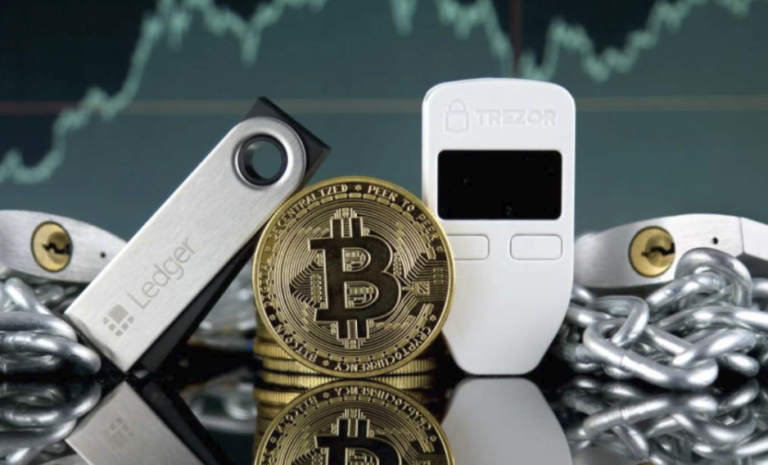
Hardware wallets are physical gadgets made for securely storing cryptocurrencies.
Advantages
- Strong security
- Protection from online threats
Disadvantages
- Additional cost
- Requires safe storage
Long-term Bitcoin holders often choose hardware wallets because they offer enhanced security for their digital assets.
Step 8: Protect Your Recovery Information
Every cryptocurrency wallet includes recovery information that allows you to regain access if your device is lost or damaged.
This information is extremely important.
Best practices include:
- Store recovery phrases offline
- Keep multiple secure backups
- Never share recovery details
- Avoid storing them in unsecured cloud accounts
Anyone who gains access to your recovery information can potentially access your funds.
Treat it with the same care as valuable financial documents.
Common Mistakes Beginners Should Avoid
New investors often make avoidable errors when buying Bitcoin.
Investing More Than You Can Afford to Lose
Bitcoin prices can fluctuate significantly.
Only invest money you can comfortably afford to risk.
Falling for Guaranteed Profit Claims
No legitimate investment guarantees profits.
Be skeptical of unrealistic promises.
Ignoring Security Settings
Strong security measures significantly reduce risk.
Using Unverified Platforms
Always research exchanges before depositing funds.
Sharing Wallet Information
Never share your private keys or recovery phrases with anyone else.
Avoiding these mistakes can dramatically improve your cryptocurrency experience.
Understanding Bitcoin Volatility
Bitcoin is known for its price fluctuations.
Prices can rise or fall quickly based on:
- Market sentiment
- Economic conditions
- Regulatory developments
- Investor demand
- Global events
This volatility creates both opportunities and risks.
Many investors choose a long-term perspective rather than focusing on short-term price movements.
Having realistic expectations can help you make better decisions.
Tips for Long-Term Bitcoin Security
As your holdings grow, security becomes increasingly important.
Consider these best practices:
Keep Software Updated
Security updates help protect against vulnerabilities.
Monitor Account Activity
Review login activity regularly.
Beware of Phishing Scams
Always verify websites before entering login credentials.
Diversify Security Measures
Use strong passwords, 2FA, and secure storage solutions together.
Continue Learning
The cryptocurrency landscape evolves rapidly.
Staying informed helps you recognize new risks and opportunities.
Is Bitcoin Right for You?
Bitcoin may be appropriate for people who:
- Understand investment risks
- Want portfolio diversification
- Have a long-term perspective
- Are comfortable with volatility
- Are willing to learn about digital assets
However, Bitcoin is not suitable for everyone.
Before investing, evaluate your financial goals, risk tolerance, and overall investment strategy.
Thoughtful planning is always better than impulsive decision-making.
Conclusion
Learning how to buy Bitcoin safely is an important first step for anyone entering the cryptocurrency world. While Bitcoin offers exciting opportunities, security should always come first.
To stay safe with crypto, pick a trusted exchange, turn on strong security features, store your assets securely, and keep your recovery info private.
Remember that successful Bitcoin investing isn’t just about buying the asset. It’s also about protecting it. Taking a cautious and informed approach can help you navigate the cryptocurrency market with greater confidence and peace of mind.
Frequently Asked Questions
1. What is the most secure method to purchase Bitcoin?
The safest approach is to use a reputable cryptocurrency exchange, enable two-factor authentication, and follow recommended security practices.
2. How much Bitcoin should a beginner buy?
Beginners often start with a small amount they can comfortably afford to lose while learning how cryptocurrency works.
3. Is it necessary to have a wallet before purchasing Bitcoin?
Not necessarily. Most exchanges provide built-in wallets, although many investors later move funds to personal wallets for greater control.
4. Can Bitcoin be hacked?
The Bitcoin network itself is highly secure, but individual accounts, exchanges, and wallets can be compromised if proper security measures aren’t followed.
5. Is buying Bitcoin legal?
Bitcoin is legal in many countries, but regulations vary by jurisdiction. Always review local laws before investing.
6. Should I leave my Bitcoin on an exchange?
For small amounts, many users do. However, long-term holders often prefer personal wallets, especially hardware wallets, for enhanced security.