Mobile App Security in 2026: Protect Your Users in a World of Rising Threats
Your smartphone holds everything banking details, personal photos, health data, and private messages. With billions of mobile apps downloaded every year, mobile app security isn’t just a tech buzzword, it’s a must-have for trust, compliance, and survival in 2026.
Cybercriminals are getting smarter, using AI to craft convincing phishing, exploiting third-party SDKs, and targeting supply chains. One weak link can expose millions of users. The good news? Developers and businesses that prioritize security from day one create stronger, more loyal user bases.
In this guide, we’ll explore the top threats shaking the mobile world right now and share actionable best practices to keep your app safe and users confident.
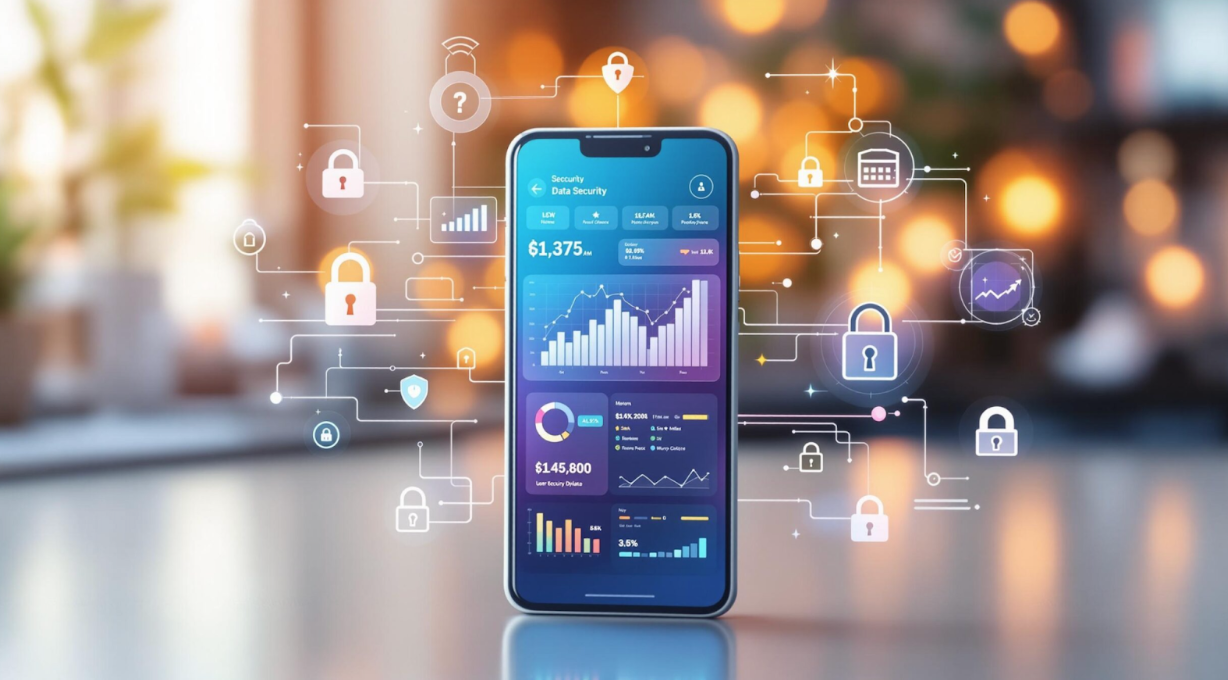
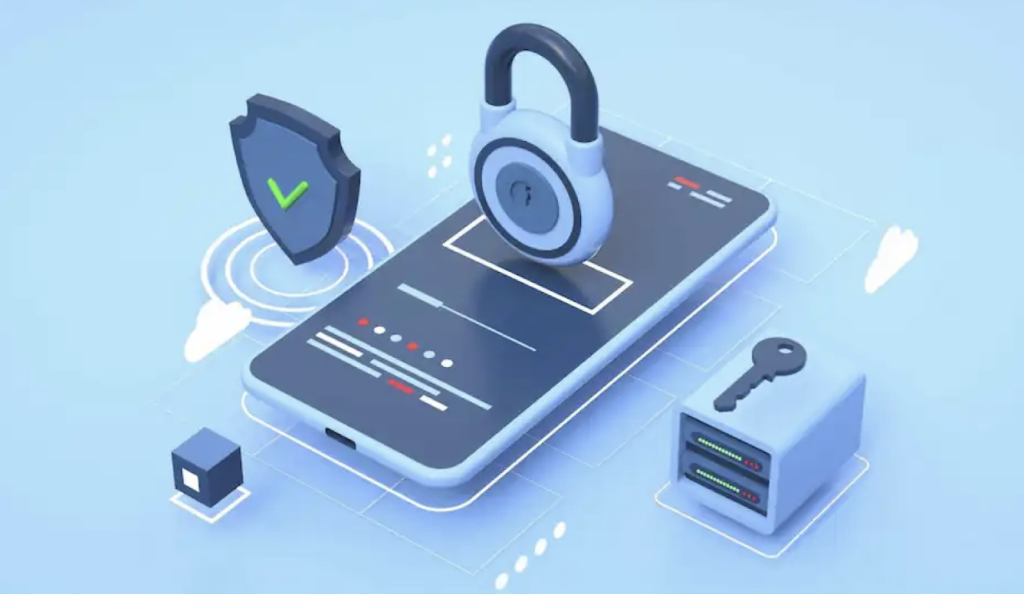
Here are powerful visuals of shields and locks protecting smartphone screens symbols of strong mobile app security in action:
The Biggest Mobile App Security Threats in 2026
The threat landscape has evolved fast. Here are the ones keeping experts up at night:
- Insecure Authentication & Authorization — Weak passwords, poor session handling, or missing multi-factor authentication let attackers take over accounts easily.
- Inadequate Supply Chain Security — Malicious code sneaks in through third-party libraries, SDKs (especially AI-powered ones), or compromised build processes.
- Data Leakage & Insecure Storage — Unencrypted data storage or transfer can cause major security breaches.
- AI-Powered Attacks — Hackers use generative AI for hyper-realistic phishing, deepfakes, and automated exploits targeting mobile users.
- Insecure APIs & Communications — Exposed endpoints without proper checks allow data interception over public Wi-Fi or man in the middle attacks.
These risks aren’t hypothetical reports show mobile malware, credential theft, and supply-chain compromises are spiking dramatically this year.
Take a look at these striking illustrations of hackers targeting mobile apps and potential vulnerabilities:
Essential Mobile App Security Best Practices for 2026
Building a secure app starts with smart choices throughout development. Follow these proven strategies:
- Adopt Secure-by-Design Architecture — Bake security in from the start with principles like least privilege, defense in depth, and zero-trust.
- Implement Strong Authentication — Use biometrics, MFA, OAuth 2.0, JWT tokens, and behavioral checks — ditch simple passwords.
- Encrypt Everything — Protect data at rest, in transit (TLS 1.3+), and end-to-end where possible for maximum privacy.
- Secure APIs & Communications — Validate inputs, use rate limiting, API gateways, and continuous monitoring to block unauthorized access.
- Vet Third-Party Components — Regularly scan SDKs and libraries for vulnerabilities especially AI-integrated ones.
- Run Regular Security Testing — Perform penetration testing, code reviews, and runtime protections to catch issues early.
- Keep Updating & Patching — Deliver timely OS and app updates to fix known vulnerabilities fast.
These steps align with leading standards like OWASP Mobile Top 10 and help you stay ahead of evolving threats.
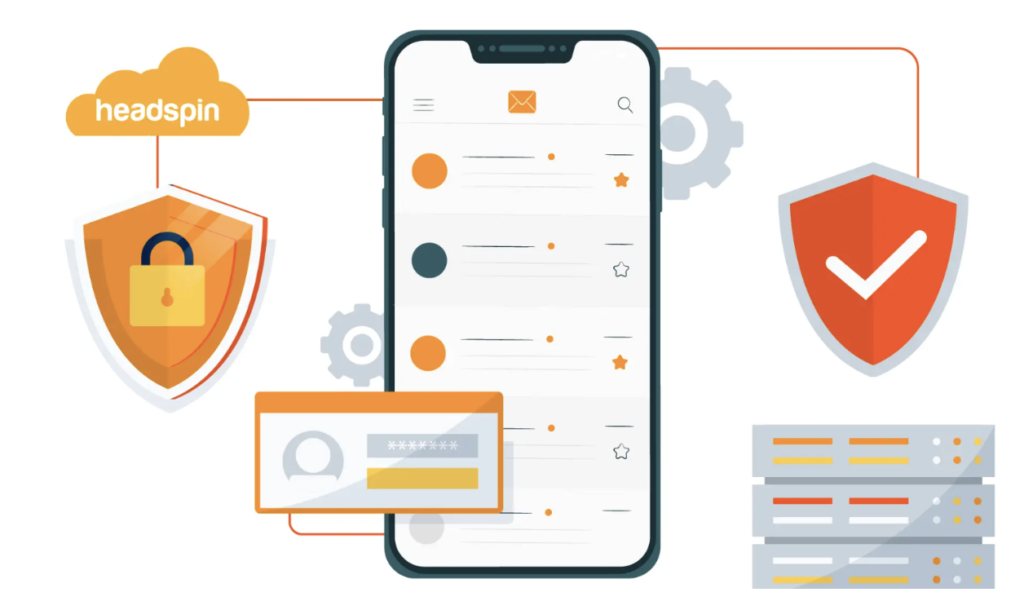
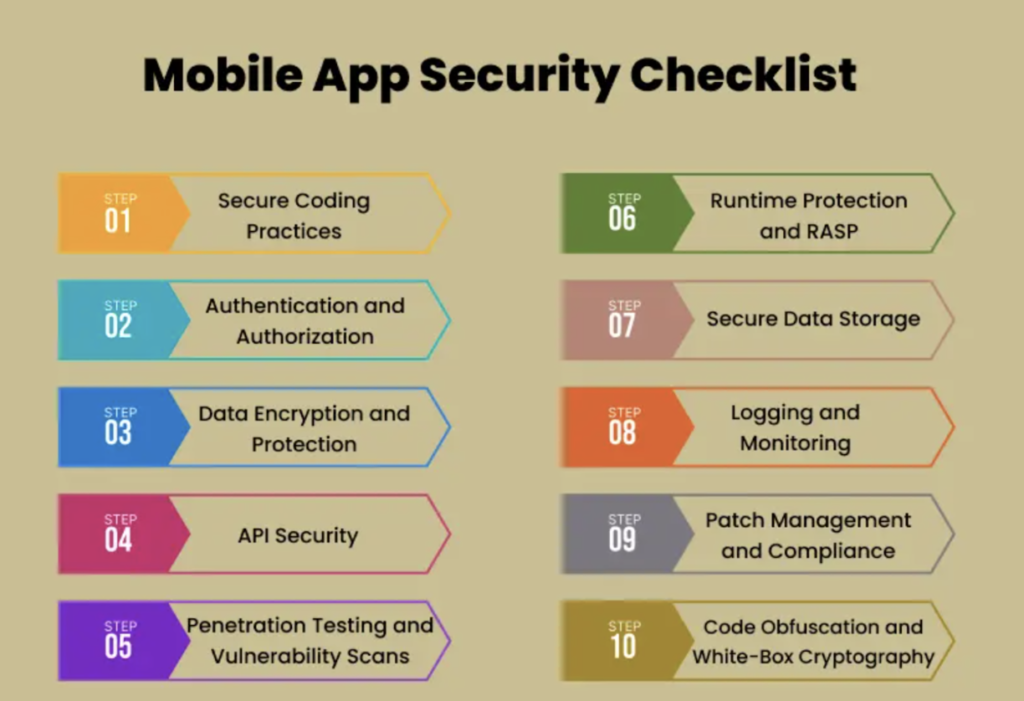
Check out this helpful checklist and infographic highlighting key mobile app security steps developers should follow:
Why Mobile App Security Matters More Than Ever in 2026
Users are savvier, they delete apps that feel risky. A single breach can destroy reputation, trigger fines (GDPR, CCPA), and lose revenue overnight. On the flip side, top-tier security becomes a selling point: “Bank-grade encryption” or “Privacy-first design” builds loyalty.
In 2026, security isn’t an extra cost, it’s smart business.
Final Thoughts: Make Security Your Superpower
Mobile app security in 2026 demands proactive, layered protection from strong coding habits to runtime defenses and user education. Start with OWASP guidelines, audit your dependencies, and test relentlessly.
Whether you’re a developer building the next big app or a business launching one, prioritizing security protects your users, your brand, and your future.