TikTok’s New Boss: Inside the Ownership Shake-Up That Saved Your Scroll
Imagine waking up to find your ultimate source of inspiration, connection, and entertainment suddenly wiped from your phone. For months, that doomsday scenario haunted every scroll you made. But guess what? You can breathe easy now, the battle is won, the storm has passed, and TikTok isn’t just surviving, it’s stepping into a powerful new era.
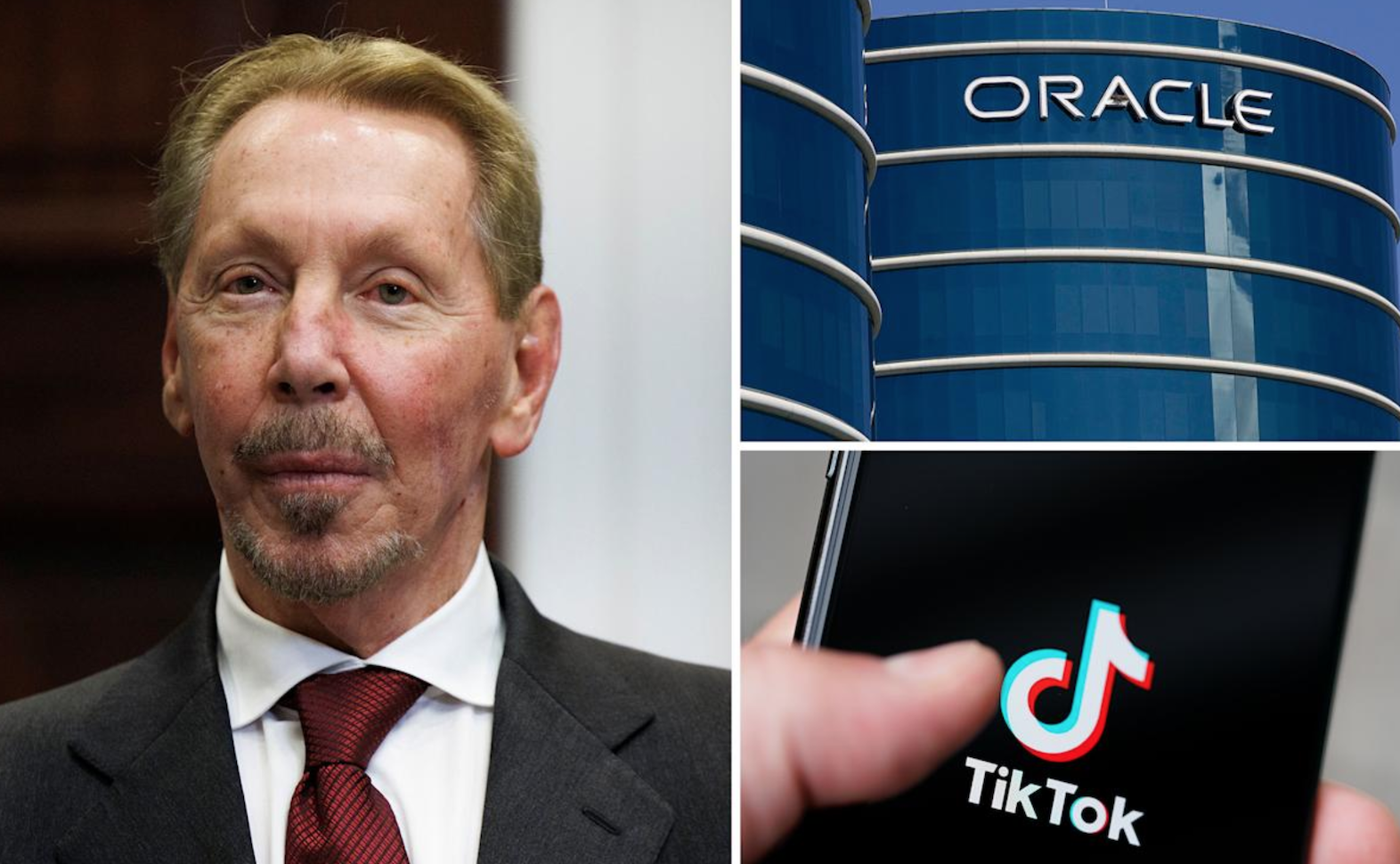
Behind the scenes, a game-changing corporate revolution just placed the keys to TikTok’s US empire into the hands of Larry Ellison, the billionaire titan behind Oracle. Your daily scroll is officially secure, and what’s coming next is set to make your experience bigger, better, and more unstoppable than ever. Let’s break down exactly why your feed just got a massive upgrade.
The Boardroom Shift: Why “Majority” Matters
In order to grasp why this sale occurred, we need to examine the government’s primary concern. Lawmakers were deeply uncomfortable with ByteDance, a company rooted in China, having total control over an app used by millions of Americans. Their ultimatum was blunt: sell the US side of the business, or we shut it down completely. ByteDance chose survival over pride.
Enter Larry Ellison. When we say Ellison bought TikTok US, the specific term is that he acquired a “majority stake.” But what does that actually mean? Imagine a company is like a giant ship with 100 steering wheels. Before the sale, ByteDance had control of all 100 wheels. They decided where the ship went, how fast it traveled, and who got to be on board. Now, Ellison’s team holds 51 of those wheels. They have the majority. ByteDance might still be sitting in the cabin with the remaining 49 wheels, but they no longer have the final say. The US owners are now steering the ship.
The government specifically demanded this setup. A minority stake wouldn’t have cut it. Washington wanted to make sure ByteDance completely lost its veto power over American operations, and that’s exactly what happened.
Fort Knox for Your Feed: The Data Upgrade
The driving force behind the government’s panic was your personal data. Every single video you linger on, every message you send, and every search you make leaves a digital footprint. The fear was that this information was being packaged up and sent to foreign servers where the US government couldn’t protect it.
To solve this, Ellison is building what amounts to a digital Fort Knox right on American soil. In the tech industry, this is called “data residency”. It means all of your personal information, your habits, your interests, your private messages is now locked inside a massive, secure warehouse located physically within the United States. Foreign entities are completely locked out of this digital vault. It is a massive leap forward for your privacy and the main reason the app was allowed to stay on the market.
The Watchdogs and The Secret Recipe
Naturally, the government isn’t just going to take Oracle’s word for it. They want to check the locks themselves. That’s where a federal watchdog group called CFIUS (Committee on Foreign Investment in the United States) steps into the picture. Think of them as the most ruthless building inspectors in the world. Their job is to constantly audit TikTok’s new American operations, keeping a hawkish eye on the servers to guarantee that no hidden “backdoors” exist for outside interference.
But what about the app itself? The actual code that makes TikTok so unbelievably addictive, the algorithm that seems to read your mind is a slightly different story. The new US owners didn’t buy the secret recipe, they are basically renting it.
ByteDance still owns the patent on the magic formula, but Oracle is licensing it for use. So, your feed will still feel exactly the same, but the brain running it is technically on loan. In the future, the US owners might try to build their own algorithm, but for now, they are perfectly happy using the original secret sauce.
Conclusion
At the end of the day, ByteDance handed over the keys to TikTok US because it was the only way to keep the app alive in one of its biggest markets. For the millions of creators who rely on this platform to pay their rent and build their brands, this is a massive victory. Your livelihood is secure.
For the everyday user, absolutely nothing about your interface has changed. Your communities are still there. The algorithm is still working its magic. The only thing that might see a slight tweak down the road is content moderation. New management tends to bring slightly different guidelines on what crosses the line, but it’s unlikely to be anything that ruins your experience. The political circus has finally left town, leaving you with a safer, more secure version of the app you already love.
Frequently Asked Questions
Does a Chinese company still own TikTok?
Not the US version. While ByteDance (the original Chinese parent company) still retains a minority stake, Larry Ellison and Oracle own the majority stake. This means all the decision-making power for TikTok in America belongs to the US owners.
Will my For You Page change because of the sale?
No! The algorithm that powers your For You Page is being licensed directly from ByteDance. Because the new owners are renting the “secret recipe,” your feed will continue to curate videos exactly the way it always has. You shouldn’t notice any difference in how the app works.
Is my personal data actually safe now?
It is significantly safer. All US user data is now being stored on physical servers located right here in the United States, a concept known as data residency. Plus, a federal committee is actively auditing the servers to ensure no foreign entities can access your information.
Why didn’t ByteDance just keep the app and let it get banned?
The US is one of TikTok’s largest and most profitable markets. Banning the app would have meant losing billions of dollars and a massive audience. Selling a majority stake allowed them to keep the app alive and still earn money from their minority share and algorithm licensing.
What exactly is CFIUS and what do they do?
CFIUS stands for the Committee on Foreign Investment in the United States. In this situation, they act like a federal auditor. Their job is to monitor TikTok’s new US operations, inspect the data servers, and ensure there are no hidden loopholes allowing foreign access to American user data.
Could the US government still ban TikTok in the future?
It is highly unlikely now. By meeting the government’s demands, selling a majority stake to an American company and keeping data on US soil, TikTok has satisfied the primary national security concerns that sparked the ban threats in the first place.