Ballet Training in 2026: Building Strength, Perfecting Technique, and Preventing Injuries
As we step into 2026, ballet training is going through exciting changes. Combining the timeless art of dance with cutting edge scientific advancements, today’s dancers are becoming stronger, more precise, and better equipped to avoid injuries. Achieving the elegance and grace of a ballerina isn’t just about looking beautiful it’s built on a solid foundation of physical strength, impeccable technique, and smart injury prevention. Let’s take a closer look at how ballet training is transforming this year.
Developing Strength for Beautiful and Controlled Movements
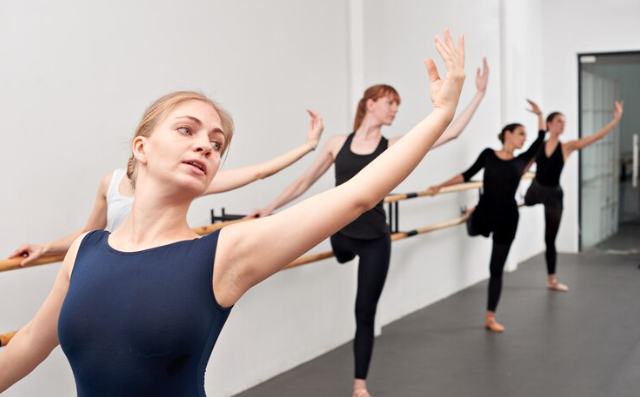
Strength plays a vital role for ballerinas. It allows them to perform complex movements smoothly and with control. Modern ballet training focuses heavily on strengthening the core, legs, and feet, as well as building overall muscular stamina. Techniques like Pilates and resistance exercises are now common in training routines because they help dancers generate the power needed for jumps, lifts, and holding challenging poses. This well rounded approach helps dancers perform demanding choreography while keeping their bodies safe and healthy.
Precision and Technique: The Core of Modern Ballet
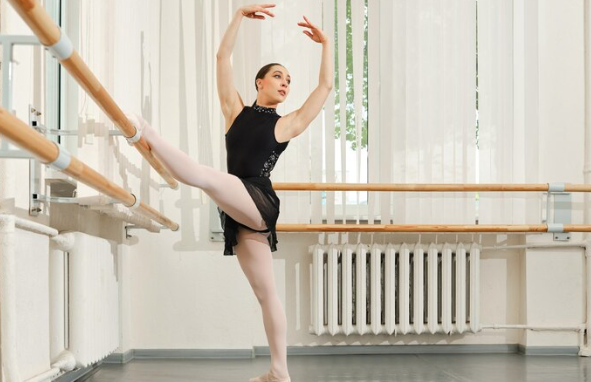
Achieving perfect technique remains the key to ballet excellence. In 2026, technology is helping dancers refine their movements more than ever before. High speed cameras and motion tracking software enable detailed analysis of every gesture and position. These tools help identify tiny misalignments or weaknesses that could affect performance or cause injury. Regular feedback sessions allow dancers to adjust their posture, foot placement, and overall form, ensuring every move is executed with precision and grace.
Preventing Injuries: Putting Dancer Health First
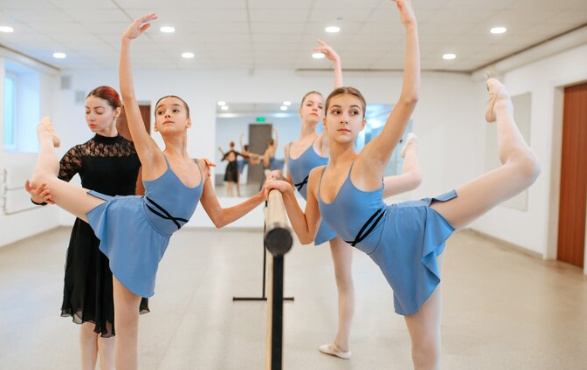
Injury prevention has become a top priority for ballet professionals. Advances in sports science and biomechanics have deepened our understanding of common dance injuries like stress fractures, tendinitis, and ligament strains. Modern training now includes prehabilitation exercises targeted workouts designed to strengthen vulnerable areas before problems develop. Proper warm ups, sufficient rest, and good nutrition are also emphasized to help dancers stay healthy and extend their careers.
The Power of Mental Conditioning
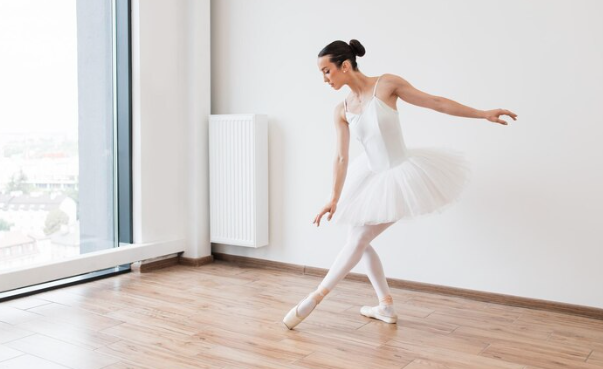
Mental resilience is equally vital as physical power. In 2026, dancers are incorporating mindfulness, visualization, and stress management techniques into their routines. Maintaining a strong mental attitude helps dancers stay focused, motivated, and resilient. These practices also reduce the risk of burnout or injuries caused by overexertion and mental fatigue.
What’s Next for Ballet Training?
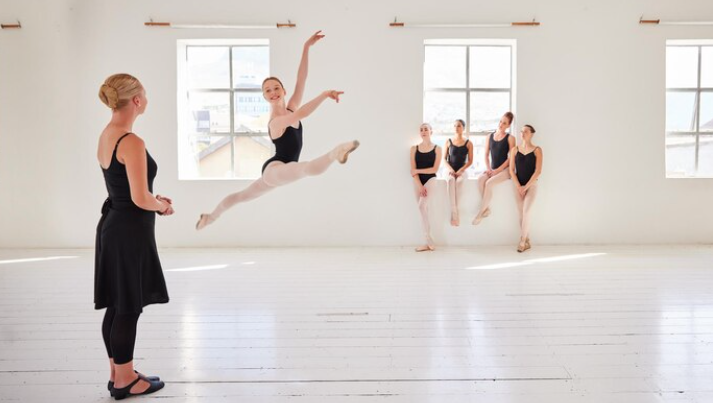
Looking forward, ballet training in 2026 is becoming more personalized and data-driven. With wearable devices, custom training plans, and artificial intelligence providing real-time feedback, dancers can fine tune their workouts to optimize strength, technique, and recovery. This integrated approach not only enhances artistic performance but also promotes long term health and well being.
Conclusion
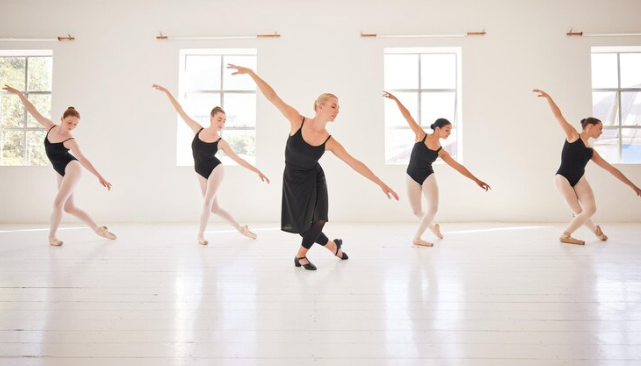
In 2026, ballet training combines timeless artistry with cutting edge technological advancements. By prioritizing strength building, refining technique, and adopting proactive injury prevention measures, today’s dancers are setting new standards in the art form. As science and technology continue to advance, future generations of ballet dancers will be more talented, healthier, and more resilient than ever before.
Start Your Ballet Journey Today!
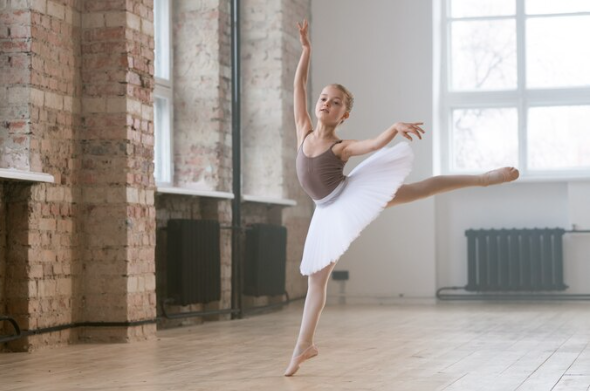
Whether you’re just starting out or are already a professional, adopting these modern training strategies will help you reach your goals while keeping your body safe. Stay strong, stay precise, and dance with confidence and injury free into the future!